



Contact Us Make a payment Check In

Feeding Tube Awareness: Inclusive Mealtimes for Children

Written by: Qiana Jones, COTA/L 

Feeding Tube Awareness Week offers an opportunity to raise understanding, reduce stigma, and celebrate children who receive nutrition through feeding tubes. At Carolina Therapy Connection, we believe feeding is about more than intake… It’s about connection, participation, dignity, and honoring each child’s unique needs.

From an occupational therapy perspective, the use of feeding tubes does not represent a failure. They serve as supportive medical tools that help children grow, conserve energy, and engage more fully in daily life.

Understanding Tube Feeding Through an Occupational Therapy Lens

Children may require feeding tubes for many reasons, including:

  • Medical complexity
  • Sensory processing differences
  • Oral-motor or swallowing challenges
  • Difficulty regulating during mealtimes

Tube feeding can:

  • Support adequate nutrition and hydration
  • Reduce stress and pressure around eating
  • Allow children to focus energy on play, learning, and development

Some tube-fed children also eat by mouth, while others do not, and both experiences are VALID. As occupational therapists, we focus on safety, regulation, and meaningful participation, rather than forcing a single feeding outcome.

Creating Inclusive Mealtimes at Home

Family meals can remain meaningful and inclusive, even when the way we feed looks different.

🍽️ Togetherness Matters More Than Sameness

Children do not need to eat the same way to belong at the table. Sitting together, participating in routines, and sharing conversation reinforces connection and a sense of belonging.

🧃 Normalize Tube Feeding Within Daily Routines

When appropriate, families can include tube feeds during shared mealtimes rather than separating them. This approach helps normalize tube feeding and reduces feelings of difference or isolation.

Having Healthy Conversations About Tube Feeding

How adults talk about tube feeding shapes how children understand their bodies and needs.

💬 Use Neutral, Confident Language

Supportive phrases may include:

  • “This is how your body gets the nutrition it needs.”
  • “Everyone’s body works differently.”

Avoid language that frames tube feeding as something to “fix” or apologize for.

🌱 Welcome Curiosity

Siblings, peers, and adults often have questions. Simple, factual responses help normalize tube feeding and reduce stigma:

  • “This helps their body grow strong.”

Feeding Is About More Than Food

From an occupational therapy perspective, feeding involves more than eating. It includes:

  • Sensory processing
  • Motor coordination
  • Emotional regulation
  • Past experiences
  • Feelings of safety and trust

For some children, oral feeding feels overwhelming—or may not be safe. Tube feeding allows the nervous system to regulate, so exploration, if and when appropriate, can happen without pressure.

Progress may look like:

  • Reduced anxiety at meals
  • Increased tolerance of food-related experiences
  • Longer participation at the table
  • Improved family routines

These gains matter, and they deserve recognition and celebration.

Supporting Families With Compassion

Families of tube-fed children often navigate:

  • Emotional stress
  • Conflicting advice
  • Social pressure
  • Fear of judgment

Choosing tube feeding reflects care, advocacy, and responsiveness to a child’s needs, NOT a lack of effort. Families deserve support grounded in empathy and respect.

How Can Carolina Therapy Connection Help?

Our occupational therapy team supports:

  • Inclusive, child-centered mealtime routines
  • Individual feeding journeys without judgment
  • Family partnership grounded in compassion
  • Dignity, understanding, and meaningful participation

Feeding tubes help children THRIVE… not just survive.
If you have questions about feeding, regulation, or participation at mealtimes, our occupational therapy team is here to help.

Schedule your free consultation by clicking here.

Winter Wiggles: 5 Easy Indoor Activities to Help Kids Burn Energy

Physical activity is key to maintaining a healthy lifestyle for kids of all ages. School-age kiddos may have some extra wiggles this winter due to changes in their routine during school breaks. The cooler weather may also make it difficult to play outside. Here are 5 easy activities to try at home to help maintain a healthy lifestyle and provide an opportunity to get those wiggles out!

1. The Floor is Lava

Place extra pillows, blankets, chairs, small rugs, or small stepping stones on the floor. Have your child try to move from one side of the room to the other while stepping only on these objects and avoiding the floor. You can add an extra challenge by having them collect 10 times from around the room before a timer goes off. 

2. Rock, Tree Bridge

Get the whole family involved! Start standing in a line. The first person steps forward and becomes a rock. (Sit on the floor, bringing your knees near your chest). The second person has to jump (or safely step) over the rock and become a tree. (Stand up nice and tall with their arms out wide). The third person has to jump over the rock, spin around the tree, and become a bridge. (Place arms and feet on the floor, in the downward dog position). The fourth person has to jump over the rock, go around the tree, and crawl under the bridge to become another rock. This pattern continues until the entire family reaches the other side of the room. 

3. Simon Says

Take turns trying out different yoga positions, hopping sequences, or animal walks. Each person can take a turn playing Simon. 

4. Animal Walks

Try walking like a penguin, bear, or slithering like a snake. The opportunities are endless, with lots of animals or objects to mimic. You can encourage races down a hallway or around furniture in the room. 

5. Musical Movement

Play your favorite songs. When the music plays, dance, dance, dance! When the music pauses, freeze in the current dance position. It can be even more fun with a dance leader. Let your child choose a song and try to copy their dance moves! Take turns leading and following.

How can Carolina Therapy Connection Help?

If you notice your child is having difficulty using both sides of their body, crossing midline, or keeping their balance, they may need some additional support. Reach out to Carolina Therapy Connection to see if Physical Therapy may help. If your child already receives Physical Therapy, ask their therapist how to customize these activities to support your child more specifically.

Theratogs for Children: Enhancing Posture, Balance, and Movement

Understanding Theratogs for Children: Enhancing Posture, Alignment, and Movement

When it comes to supporting children with neurological or muscular impairments, therapy tools that offer targeted and effective assistance are essential. One such tool is Theratogs, a therapeutic garment designed to help children improve posture, balance, stability, and muscle activation. This blog explores how Theratogs works, the benefits it provides, and how it can be part of a child’s comprehensive treatment plan.

What Are Theratogs?

Theratogs are specialized garments combined with straps that provide targeted postural support. These garments are designed to encourage proper alignment and stability during movement. The adjustable design ensures that Theratogs can be customized to fit the unique needs of each child, making it a versatile solution for various musculoskeletal and postural issues.

The core purpose of Theratogs is to support the body in a way a therapist’s hands would facilitate movement during a treatment session in a wearable garment that can help the child in various activities and environments. This is particularly beneficial for children who face motor skills, coordination, or physical stability challenges. Whether used for children with cerebral palsy, developmental coordination disorder, or other neurological or muscular impairments, Theratogs can significantly impact a child’s physical development and movement patterns.

How Theratogs Help Children

  1. Improved Posture and Alignment
    Theratogs enhance posture by supporting the body in a more aligned position. This is essential for children struggling with postural control or alignment due to various conditions. By maintaining proper alignment, children can experience greater movement control and improve their ability to engage in daily activities.
  2. Promoting Balance and Stability
    Balance is a crucial skill for ensuring safety for all children, especially those with movement disorders or muscular weakness. Theratogs assist with balance by providing compression and stability across joints in proper alignment. The garment encourages targeted muscle activation and correct body mechanics, which can improve coordination and balance reactions.
  3. Facilitating Movement and Muscle Activation
    Focusing on promoting active movement, Theratogs help children engage their muscles more controlled and effectively. The garment and straps encourage the child’s muscles to work in a coordinated way, leading to better movement control and greater independence in tasks such as walking, sitting, or crawling.
  4. Supporting Independence
    One key benefit of Theratogs is that they help children gain independence in their movements. By improving muscle activation, stability, and alignment, children may experience greater ease in performing daily activities such as standing, walking, or participating in school or playtime. This increased mobility is crucial for a child’s overall development.

Conditions That Can Benefit from Theratogs

Theratogs are often used for children with various conditions that impact movement, balance, and posture. Some of the conditions include:

    • Cerebral Palsy: A neurological disorder that affects movement, muscle tone, and coordination.
    • Developmental Coordination Disorder: A condition that affects motor skills and the ability to perform coordinated tasks.
    • Gait deviations: Theratogs can help correct various gait deviations, such as in-toeing or out-toeing. 
    • Hypotonia: A condition that can be benign or congenital, resulting in low muscle tone, muscle weakness, and decreased core stability.

While Theratogs are beneficial for children with these and other conditions, it is essential to work with a healthcare professional to determine the best therapy approach and ensure the garment’s proper fit. Theratogs can be used during a therapy session or ordered custom for your child to use at home daily.

How Carolina Therapy Connection Can Help

At Carolina Therapy Connection, we understand that every child’s needs are unique. We are dedicated to providing personalized therapeutic services to support motor skill development, posture, stability, as well as independent mobility. Our experienced team of pediatric therapists works closely with families to create individualized treatment plans, which may include using Theratogs as part of the therapy regimen.

Our clinics provide a comprehensive approach to physical therapy, supporting each child’s development holistically. If you want to learn more about Theratogs and how we use this approach in therapy, including intensives, contact us to schedule an evaluation. You can also use this link to explore our pediatric intensive therapy services.

A Step in The Right Direction: PT-Approved Footwear For Your Kiddos!

Choosing the right footwear for children can be a daunting task for parents, especially when considering the importance of comfort, support, and proper development. As kids grow, their feet undergo significant changes, and the right shoes can help promote healthy foot development, prevent injuries, and enhance overall mobility. Here’s a guide to help you find PT-approved footwear for your little ones.

Why Footwear Matters – Qualities of Good Kids Shoes That PT-Approved

Children’s feet are still developing, making it crucial to provide them with shoes that offer proper support while also allowing room to grow. Poor footwear can lead to a variety of issues, including flat feet, overpronation, and discomfort. Physical therapists often emphasize the following features in kids’ shoes:

  1. Arch Support: Proper mid-foot arch support is essential to promote natural foot development and prevent conditions like flat feet. Look for a shoe that flexes at the toe vs. mid shoe when you bend it.
  2. Flexibility: Shoes should allow for natural movement. A shoe that has a flexible toe/forefoot region enables kids to engage in physical activities without restriction.
  3. Adequate Cushioning: Ample cushioning helps absorb shock during activities, reducing the risk of injuries.
  4. Room for Growth: Kids grow quickly, so it’s important to choose shoes that allow for a little extra room without being too loose. A shoe with a wide toe box allows for extra growth and room for their toes to splay, which helps to provide a wider base of support and improve balance!
  5. Breathability: Shoes made from breathable materials help keep feet dry and comfortable, reducing the risk of blisters and fungal infections.
  6. Adjustable closure: Shoes with adjustable closures can be adjusted for a sung but comfortable fit. This helps provide the ideal support during movement without worrying about their foot sliding around in the shoe. Look for a shoe with velcro or laces/straps that can be adjusted for the perfect fit.
  7. Sturdy/solid heel cup: Shoes that have a sturdy heel cup provide solid support and stability for your little one’s ankles. In addition, they help to promote proper leg alignment while walking, running, and during general play activities! Look for a shoe that when you push on the back of the shoe it doesn’t collapse in. 

Brands that offer PT-approved footwear options:

1. New Balance

New Balance offers a variety of children’s shoes that are known for their excellent arch support and cushioning. Models like the Kids Rave Run v2 are lightweight, have moderate arch support for higher impact activities, and have a wide toe box that give the feet plenty of space!

2. Saucony

Saucony’s Kid’s Cohesion line features good arch support and a breathable upper. They’re designed for running and play, offering stability without sacrificing flexibility.

3. Asics

Asics shoes are known for their GEL cushioning system, which provides excellent shock absorption. The Gel-Contend series is a great choice for everyday wear and sports.

4. Stride Rite

Specializing in children’s footwear, Stride Rite offers shoes that prioritize foot health. Their shoes often feature rounded toes and flexible soles to promote natural foot movement.

5. Pediped

Whether you’re looking for sandals, sneakers, or boots, Pediped provides a variety of shoes that promote healthy foot development. Their Originals, Grip ‘n’ Go, and Flex designs have been officially recognized by the American Podiatric Medical Association (APMA) as being beneficial for children’s growing feet!

6. Cat and Jack and Walmart also have various cost effective options that provide adequate fit and stability. Use the tips above to find shoes that fit these criteria!

More tips for Choosing the Right Shoe

  1. Measure Feet Regularly: Kids’ feet can grow rapidly, so measure them every few months to ensure a proper fit.
  2. Try Shoes on in the Afternoon: Feet can swell throughout the day, so fitting shoes later in the day can ensure a better fit.
  3. Check the Fit: Compressive footwear may cause weakness, deformity, and mobility loss, so you want to ensure there’s about a thumb’s width of space between the end of the shoe and the longest toe. The heel should fit snugly without slipping.
  4. Look for Quality Materials: Choose shoes made from durable and breathable materials, such as leather or mesh, to ensure longevity and comfort.
  5. Involve Your Child: Allowing kids to choose their shoes can make the experience fun, but guide them toward options that meet their physical needs.

***Special Tip for Little Ones: These recommendations are mostly for experienced walkers. If you have a baby who is just starting to learn to stand and walk, barefoot is best so they can gain strength and balance. If a new/early walker needs shoes for daycare or outdoor use, look for a flexible option with a wide toe box that fits securely on the foot (adjustable closure) without sliding off.***

How Can Carolina Therapy Connection Help? 

Investing in the right shoes for your children is crucial for their foot health and overall well-being. With the recommendations from physical therapists and a focus on supportive, flexible, and well-fitting options, you can help your little ones stay active and comfortable. Remember, the right shoe today can lead to healthier feet tomorrow!


Written By: Anna Seguin, PT, DPT

Let’s PLAY!

Why is Play Development Important for Children? 

An essential component of a child’s learning is through play. Play builds the foundation of teaching children how to communicate with others, solve problems, and develop new motor skills. Play often involves spending much time on the floor being silly, making animal noises, or acting out your child’s favorite nursery rhyme songs. Play appears too fun to be therapeutic in speech therapy sessions, right? However, that’s when the magic truly happens! Understanding why and play development for children’s communication skills is helpful.


Different Types of Play Development for Children’s Communication Skills:

  • Functional Play

    • Begins before two years old. It is the most common play among infants, toddlers, and young children. Functional play is when toys or objects are used according to their intended function, such as rolling a ball, pushing a car on the floor, banging blocks, etc. 
  • Relational Play

    • Also, it can begin before two years old. Children who engage in relational play often use (manipulate) items to discover how they relate to one another. Examples of relational play include feeding a teddy bear, stacking blocks, or grouping objects. 
  • Self-Directed Play

    • Begins before two years old as well. Self-directed play is when children use toys or objects toward themselves. They determine and control the content and intent of their play by following their own ideas and interests. Toys or objects offered to children are simple and can be play-doh, crafts, pretend food/clothes, etc. 
  • Parallel Play

    • Begins around 2 to 3 years old. This play involves children independently playing with the same toys/objects next to each other. However, they are being very observant. At this point, the child is more aware of their presence around others. The child has increased interest and acknowledges that the other person is playing similarly to them. Most often, they will begin to imitate based on peer modeling. Thai type of play can be seen when two children are playing with their own farm animals, making animal sounds but not interacting.

Now That We Know Play Development, How Do We Help Children Improve Their Communication Skills at Home?

  • Set up your environment so that the child can better focus   
  • Engaging and joining in on the child’s interests
  • Follow the child’s lead
  • Gradually introducing new toys and sensory experiences
    •  Some children need exposure to a new toy over time before initiating a purposeful interaction on their own 🙂
  • Modeling how to play with the toy and gradually fading support  
  • Providing rewards with successful attempts at play
  • Encouraging the child to imitate sounds and words (e.g., go, uh-oh, neigh, etc.)
  • Ask open-ended questions like “What should we make?” “Where should this go?” “What should we feed the dog?” by using toys such as animals, blocks, and/or cars.
  • Incorporating play based on various contexts (e.g., Play with a sibling and/or peer) 

Activities to Try at Home:

  • Bubbles
  • Cars, trains
  • Books
  • Blocks, Legos, or Nesting Eggs
  • Baby doll/dollhouse 
  • Magnetic Tiles  
  • Ball
  • Singing nursery rhyme songs 
  • Farm set / Kitchen set 
  • Potato Head
  • And MUCH MORE 🙂 

“Play is our brain’s favorite way of learning,” said Diane Ackerman.

How can Carolina Therapy Connection Help?

Further questions or concerns regarding play development for children’s communication skills? A Speech-Language Pathologist can support your child and provide parent education/training to best support your child’s communication development. Play in speech therapy increases the child’s motivation, increases communication opportunities, strengthens the development of other developmental skills, and more! 


Making the Transition Back to College Easier with a Counselor’s Help

Going back to college can be both exciting and overwhelming. Whether you’re a freshman or returning for another year, the transition can bring new challenges. Speaking to a counselor can make this process smoother. Here’s how a mental health counselor can help you with various aspects of your college life.

Coordinating Class and Social Schedules

Balancing academics with a social life is vital for a well-rounded college experience. A counselor can help you coordinate your class schedule with your social activities. They can assist you in finding time for clubs, sports, and social events without compromising your studies. This balance can enhance your college experience, helping you stay engaged and motivated.

Creating New Study Habits 

Effective study habits are key to academic success. If you’re struggling with your current methods or facing new academic challenges, a counselor can provide strategies to improve your study habits. They can introduce techniques like time management, active learning, and setting realistic goals. With their support, you can develop a study routine that works best for you, boosting your productivity and confidence. As for the study habits part, the counselors help combat task paralysis and procrastination/motivation concerns. Disorders like ADHD and Anxiety can make keeping up with scholastic responsibilities more difficult, and a counselor can help build new skills and coping mechanisms.

Finding New Self-Care Strategies

College life can be stressful, making self-care more important than ever. A counselor can help you identify self-care strategies that fit your lifestyle and needs. Whether it’s regular exercise, mindfulness practices, or hobbies, they can guide you in integrating self-care into your daily routine. This can help you manage stress, stay healthy, and maintain a positive outlook throughout the school year.

How Carolina Therapy Connection Can Help

At Carolina Therapy Connection, we understand the challenges of returning to college. Our counselors are ready to help you navigate this transition with ease. We offer free 15-minute screenings to get you started, and we can set up an evaluation to create a personalized plan for your success. Reach out to us today, and let us support you on your college journey.


Empowering Parents and Caregivers of Support needs Children: The Impact of Mental Health and Peer Support

Parenting is a journey filled with joy, challenges, and growth, and raising a child with support needs adds unique demands and rewards. Parents often juggle specialist appointments, advocate for services, research treatments, manage added expenses, and care for their own well-being, making it no surprise they’re often called superheroes.

Understanding the Challenges

Parents and Caregivers of support needs children face many challenges that can affect how they feel:

  • Chronic Stress: Attending multiple doctor and specialty visits, therapy sessions, school meetings, and daily care routines can be challenging.
  • Emotional Impact: Parents of children with support needs often feel guilt, frustration, worry, or isolation. They may struggle with a lack of support or finding others who understand their situation. Social events can be challenging due to their child’s unique needs, and they may experience grief over a different parenting journey than they had imagined.
  • Financial Pressure: Special treatments and therapies can be costly and not always covered by insurance, adding even more stress.
  • Navigating Systems: It’s hard to know where to receive support, understand the different available services’ processes, and get timely and accessible services.

The Role of Mental Health

Taking care of your mental health matters, even when caregiving feels overwhelming, we can’t pour from an empty cup.
Supporting yourself models strength, resilience, and healthy habits for your children. Even superheroes need support. 💙

  • Managing Stress: Learning stress tools helps you respond thoughtfully instead of reacting in tough moments.
  • Emotional Support: A trusted person to listen, comfort, or encourage can make all the difference.
  • Self-Care: Simple, realistic self-care helps you stay present and grounded during stressful times.
  • Building Resilience: Self-awareness and support build emotional strength, adding tools to your superhero toolkit.

The Power of Peer Support

Talking to other parents and caregivers who are going through similar situations can help:

  • Shared Experiences: Connecting with other parents and caregivers who understand what you’re going through can encourage connection and help you feel less isolated.
  • Practical Tips: Other parents and caregivers can give guidance based on their own experiences that might help you or lead you to additional resources. It’s important for superheroes to come together when needed. 
  • Feeling Empowered: Knowing that other parents and caregivers support you can boost your confidence and give you inspiration. 

How Carolina Therapy Connection Can Help

At Carolina Therapy Connection, we know how important mental health and support are for parents and caregivers of support needs children. Here’s what we offer:

  • Free 15-Minute Screening: Call us to set up a free 15-minute talk with one of our counselors. It can help you decide if therapy might be helpful for you.
  • Therapy that Fits You: Our counselors are experts at helping parents with treatments that work and are tailored just for you.
  • Peer Support Groups: Join other parents and caregivers like you in groups where you can share stories, learn, and support each other. 

Supporting families means caring for both children and caregivers by prioritizing mental health, connection, and shared strength.


Contact Carolina Therapy Connection at 252-341-9944 or visit carolinatherapyconnection.com to learn more.


Best Toys for Kids with Autism as Recommended by Therapists

Sensory Friendly Toys that Don’t Involve Electronics

Welcome to our exploration of the beautiful world of toys uniquely crafted for children with autism. Selecting toys for kids with autism involves a delicate dance between understanding sensory needs, promoting skill development, and, most importantly, ensuring hours of joy and engagement. In this blog, we’ll delve into a curated list of favorite toys that cater to the diverse interests and preferences of children with autism.


Sensory Toys: A Symphony of Textures and Colors:


Cause-and-Effect Wonders:


Educational Gems:

  • Puzzles: Offering a mix of challenge and satisfaction, puzzles contribute to cognitive development and problem-solving skills.
  • Building Blocks: The timeless joy of building and creating, these blocks encourage imaginative play and enhance fine motor skills.


Calming Oasis:

  • Weighted Blankets: Not exactly a toy, but a soothing addition to any space, providing comfort and a sense of security.


Communication and Social Play:


  • Board Games: Structured play with clear rules, board games provide a fun way to learn social interaction and turn-taking.


Outdoor Adventures:


Artistic Expression:

  • Playdough Fun: The joy of squishing, molding, and creating with playdough offers a satisfying tactile experience.
  • Markers and Crayons: Encouraging creativity, drawing, and coloring provide an expressive outlet for children with autism.


Choosing toys for kids with autism is a personalized journey that requires attention to individual preferences and needs. The toys mentioned above are just a glimpse into the vast array of options available, each offering a unique way to engage, inspire, and bring joy to children on the autism spectrum. As you embark on this exploration, remember to observe, communicate, and, most importantly, have fun discovering the perfect toys for your child’s unique world.  Check out our specially curated Amazon Storefront for more toy suggestions!


Not Your Average Toy!

Not Your Average Toy offers a transformative approach to pediatric therapy, catering to the different needs of our pediatric patients in occupational, speech, and physical therapy within our clinic. These specialized toys aren’t just playthings; they motivate children to develop essential skills like fine motor control, visual perceptual abilities, grasping techniques, following multistep directions, stimulating ‘what’ questions, fostering color and shape recognition, encouraging problem-solving, and refining hand-eye coordination. What makes these toys exceptional is their unique ability to grasp the children’s attention while integrating therapeutic goals into engaging activities tailored to each child’s journey toward progress and achievement. Check out some of our favorite “Not average toys!” 

Examples of Not Your Average Toy:

Water Beads: 

What sets water beads apart? Water beads stand out for their fun way of developmental skills. They offer an enjoyable sensory and messy play while enhancing color recognition and sorting abilities. These beads serve as a tool for reaching milestones. Children can play by using a spoon for scooping into a cup, counting exercises, and even hiding items like toy fish or other objects within the beads to engage both hands in a tactile search. These toys facilitate various developmental goals, from color recognition and sorting to refining fine motor skills, in-hand manipulation, bilateral coordination, and sensory play. They also stimulate counting skills and engage in figure-ground activities.


Building Blocks: 

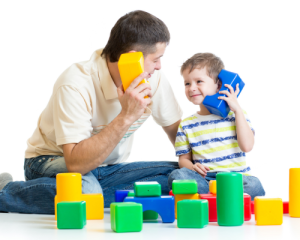
Building blocks are known for making a tower and watching it fall, but did you know that they offer various developmental opportunities? These square toys build structures with two hands, allowing a child to work towards bilateral coordination, midline crossing, and fine motor skills. Playing with blocks can also help with color recognition, shape learning, spatial orientation, and teaching concepts through block positions. 

Building blocks can also help with emotional regulation. If a task is challenging or the tower does not stay quite the way intended, this is an excellent opportunity to discuss the feelings raised and allow your child to have a voice.   


Puzzles: 

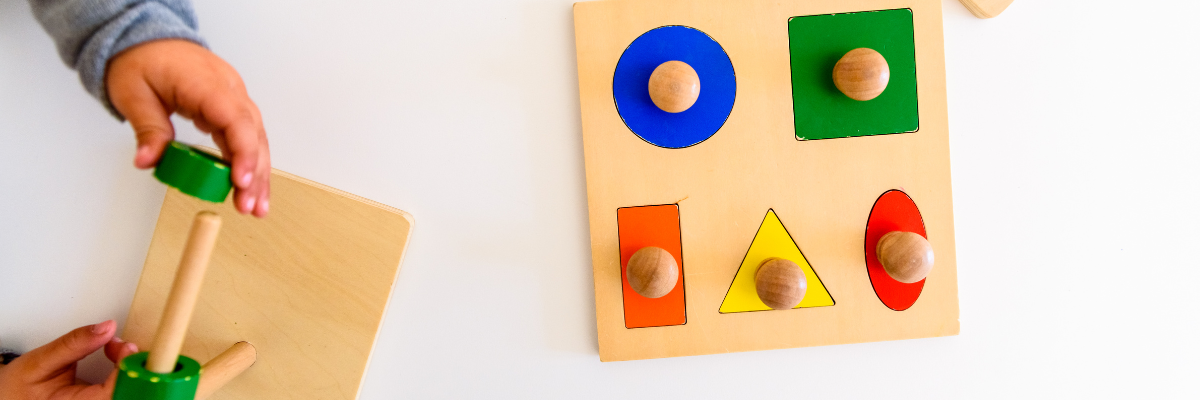
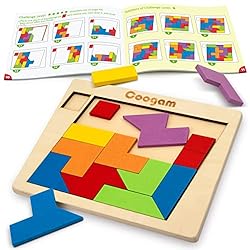
Puzzles are a fun, versatile learning tool for children. They can help children learn about shapes and colors, expand their vocabulary, and identify different types of animals. Puzzles also help children learn to act like put in and take out. You can add a multi-step direction to make a puzzle more challenging, like putting the cow and horse puzzle pieces together in their correct spot. For more engaging questions, ask your child, “What does a cow say?” or “Where is the cow?” Puzzle helps achieve milestones that involve enhancing visual perceptual skills, grasping technique, mastering multi-step directions, and developing problem-solving abilities. 


How can Carolina Therapy Connection Help? 

At CTC, we are committed to supporting our families and the child’s developmental journey and helping them achieve these goals at home. Please explore our website (https://www.carolinatherapyconnection.com/) or our Amazon Storefront (https://www.amazon.com/shop/carolinatherapyconnection). These are not your average toys; they are carefully innovative toys that can help foster growth and development. To further understand these toys’ impact, ask your therapist if you can sit in during a session. By watching the interaction between the child playing and the therapist, parents can gain insights into how effective these tools can be and bring these Not Your Average Toys into their home.


By: Lauren Hodges, COTA/L, and Allison Hicks

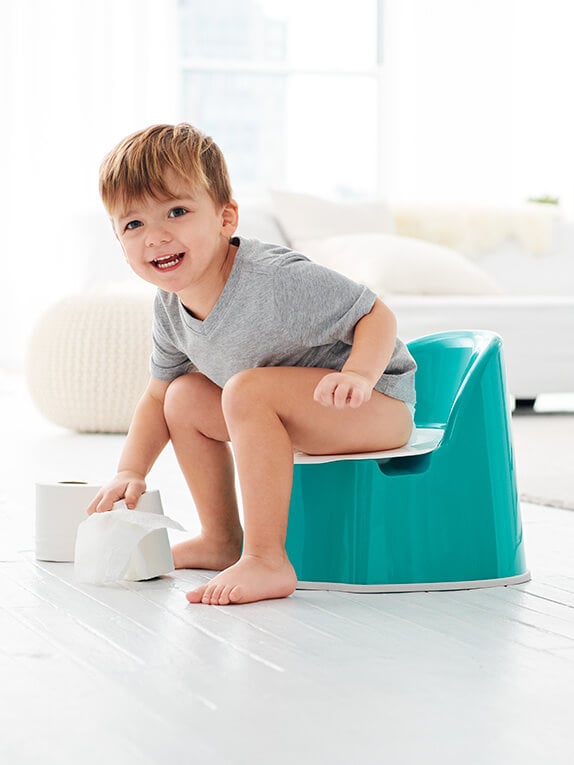
Is My Child Ready For Potty Training?

Is My Child Ready For Potty Training?

Many parents ask the question, “Is my child ready for potty training?” Making the transition out of diapers is an important developmental milestone but it can also be a topic that causes frustration and anxiety for both children and their caregivers. Questions about when to start and how to promote a child’s success with potty training can feel overwhelming. If you are a caregiver that can relate to any of those feelings, this blog post is for you!

When Should I Start Potty Training?

This is a question that many caregivers ask themselves. A variety of factors must be considered before initiating the toilet training process. A child must be physically, emotionally, cognitively, and physiologically ready prior to  starting the process. Here are some tips to identify whether your child may be ready:

Emotional readiness – Can your child tolerate sitting on the toilet or potty training seat? Are they excited about wearing “big kid” underwear?

Cognitive readiness: Can your child follow 1-2 step directions? Can they communicate their need to use the restroom?

Physiological readiness: Are they able to stay dry up to two hours at a time or wake up from a nap with a clean pull-up?

Physical readiness: Is your child able to sit on a toilet or potty training seat without assistance? Can they get on and off the toilet with little to no assistance? Can they assist with managing their clothing during toileting tasks?

potty training, occupational therapy, tips and tricks of potty training

If you have said yes to the majority of the above questions, then your child may be ready to begin potty training! 

At what age can I expect my child to start potty training?

 The following list includes general guidelines to help establish a baseline of where a child might be on their journey towards potty training. However, each child has a different timeline in which they are emotionally, physically, cognitively, and physiologically ready for potty training. It is vital that you never push a child towards progressing through the developmental sequence. If you see meltdowns or signs of regression, it may be best to take a break and try again at a later time.


Developmental Sequence for Toileting:

1 year – Children indicate that they are wet/soiled through non-verbal signs of distress

2 years – Child begins to tolerate sitting on the toilet

30 months – Child communicates that they need to use the bathroom and will likely require assistance with managing their clothing and wiping

3 years – Children will initiate using the toilet independently. They may attempt to wipe but continue to require assistance for thoroughness. 

4-4.5 years – Children may have a few accidents. They are able to manage their clothing independently. 

5 years – Child is able to complete a full toilet routine independently, including washing and drying their hands. 

5-7 years – Children are consistently able to stay dry throughout the night. 


Tips to Help Progress Through the Potty Training Process

  • Make potty training FUN!

Whether it is the sound of the toilet flushing or the new environment, some children may have a fear of sitting on the toilet. If a child is anxious, they may be hesitant to sit on the toilet or may not even tolerate sitting on it. One method to help ease this transition is to allow the child to play with their favorite toys while sitting fully clothed on the toilet. Another method to make potty training fun is to invite the child into the process. You can do this by allowing the child to pick out their underwear and ask them to choose their potty seat. This helps address their newfound need for autonomy and allows them to take pride in the potty training process. 

  • Consistency is key. 

Establishing a consistent routine will help minimize a child’s accidents and increase their likelihood of using the toilet successfully. A general guideline is to prompt the child to sit on the toilet as soon as they wake up, after naps, and in two hour intervals throughout the day. Encourage your child to sit on the toilet for a few minutes at a time. It can be helpful to read a story to them while on the toilet or provide them with a preferred toy to make this time fun and engaging.

  • Know the signs. 

If a child is squatting, holding their genital area, or fidgeting, they may need to use the bathroom. Prompt the child to sit on the toilet when these signs occur. This can help the child become familiar with these signals to increase their ability to identify these signs as well. 

  • Celebrate the small victories. 

It is important that parents and caregivers build up a child’s confidence and self-efficacy during the potty training process. Caregivers can do this by providing their child with positive praise and celebrating the small victories! Some examples of this include praising their child for sitting on the toilet, communicating that they need to use the bathroom, successfully using the toilet, and completing all other steps in the toileting sequence (ex. Pulling up their pants, flushing the toilet, washing their hands). Sticker charts can also help motivate children to use the bathroom by providing them with a tangible reward to work towards!

  • Know there will be accidents. 

In combination with Point 4 above, it is important to know that accidents will happen and how to respond when they do. Never punish a child for soiling their clothing. Instead, always be prepared with an extra set of underwear or clothing, especially when going out in the community. 

You can find more tips on the potty training process here!


How can Carolina Therapy Connection Help?

If your kiddo struggles with self-regulation, completing their daily activities, or meeting developmental milestones, call our clinic at (252) 341-9944! Your child may benefit from an occupational therapy screening or formal evaluation!

Blog By: Emily Britt, OT