



Written by: Qiana Jones, COTA/L
Feeding Tube Awareness Week offers an opportunity to raise understanding, reduce stigma, and celebrate children who receive nutrition through feeding tubes. At Carolina Therapy Connection, we believe feeding is about more than intake… It’s about connection, participation, dignity, and honoring each child’s unique needs.
From an occupational therapy perspective, the use of feeding tubes does not represent a failure. They serve as supportive medical tools that help children grow, conserve energy, and engage more fully in daily life.
Understanding Tube Feeding Through an Occupational Therapy Lens
Children may require feeding tubes for many reasons, including:
- Medical complexity
- Sensory processing differences
- Oral-motor or swallowing challenges
- Difficulty regulating during mealtimes
Tube feeding can:
- Support adequate nutrition and hydration
- Reduce stress and pressure around eating
- Allow children to focus energy on play, learning, and development
Some tube-fed children also eat by mouth, while others do not, and both experiences are VALID. As occupational therapists, we focus on safety, regulation, and meaningful participation, rather than forcing a single feeding outcome.
Creating Inclusive Mealtimes at Home
Family meals can remain meaningful and inclusive, even when the way we feed looks different.
🍽️ Togetherness Matters More Than Sameness
Children do not need to eat the same way to belong at the table. Sitting together, participating in routines, and sharing conversation reinforces connection and a sense of belonging.
🧃 Normalize Tube Feeding Within Daily Routines
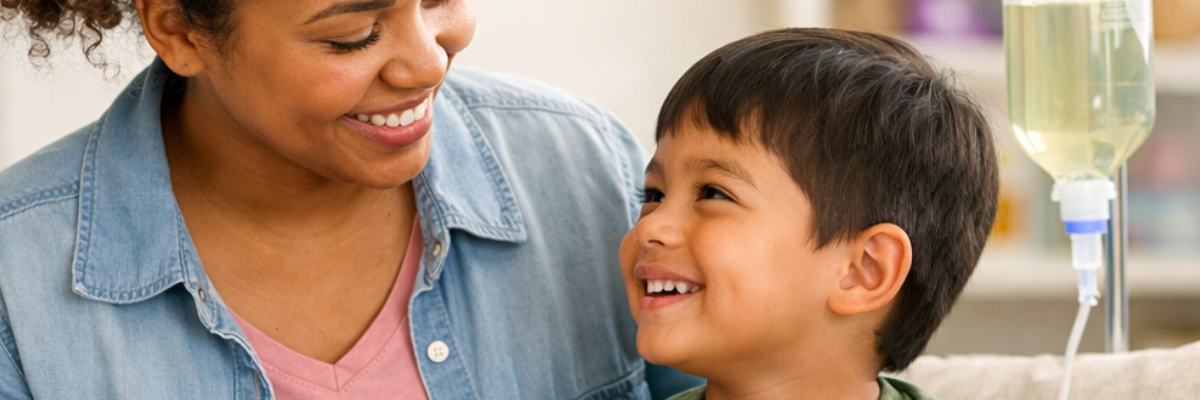
When appropriate, families can include tube feeds during shared mealtimes rather than separating them. This approach helps normalize tube feeding and reduces feelings of difference or isolation.
Having Healthy Conversations About Tube Feeding
How adults talk about tube feeding shapes how children understand their bodies and needs.
💬 Use Neutral, Confident Language
Supportive phrases may include:
- “This is how your body gets the nutrition it needs.”
- “Everyone’s body works differently.”
Avoid language that frames tube feeding as something to “fix” or apologize for.
🌱 Welcome Curiosity
Siblings, peers, and adults often have questions. Simple, factual responses help normalize tube feeding and reduce stigma:
-
“This helps their body grow strong.”
Feeding Is About More Than Food
From an occupational therapy perspective, feeding involves more than eating. It includes:
- Sensory processing
- Motor coordination
- Emotional regulation
- Past experiences
- Feelings of safety and trust
For some children, oral feeding feels overwhelming—or may not be safe. Tube feeding allows the nervous system to regulate, so exploration, if and when appropriate, can happen without pressure.
Progress may look like:
- Reduced anxiety at meals
- Increased tolerance of food-related experiences
- Longer participation at the table
- Improved family routines
These gains matter, and they deserve recognition and celebration.
Supporting Families With Compassion
Families of tube-fed children often navigate:
- Emotional stress
- Conflicting advice
- Social pressure
- Fear of judgment
Choosing tube feeding reflects care, advocacy, and responsiveness to a child’s needs, NOT a lack of effort. Families deserve support grounded in empathy and respect.
How Can Carolina Therapy Connection Help?
Our occupational therapy team supports:
- Inclusive, child-centered mealtime routines
- Individual feeding journeys without judgment
- Family partnership grounded in compassion
- Dignity, understanding, and meaningful participation
Feeding tubes help children THRIVE… not just survive.
If you have questions about feeding, regulation, or participation at mealtimes, our occupational therapy team is here to help.
Schedule your free consultation by clicking here.