




Contact Us Make a payment Check In

Can Too Much Screen Time Cause Developmental Delays? What Parents Should Know

Can Too Much Screen Time Cause Developmental Delays? What Parents Should Know

By Samaria Lawson, COTA/L 

As parents, it’s nearly impossible to avoid screens. Smartphones, tablets, televisions, laptops, and gaming systems have become part of everyday life. While technology offers entertainment and educational opportunities, many parents wonder:

How much screen time is too much for my child?

Research continues to show that excessive screen time can impact a child’s development, especially when it replaces opportunities for active play, hands-on learning, and meaningful interactions with caregivers. One area of particular concern is the development of fine motor and gross motor skills, which children build through movement and real-world experiences—not by sitting in front of a screen.

In this blog, we’ll explore what current research says about screen time, how it may affect child development, and practical ways to create healthier screen habits at home.

What Is Screen Time?

Screen time includes any time spent using electronic devices, such as:

  • Watching television
  • Using tablets or smartphones
  • Playing video games
  • Browsing apps
  • Watching videos on computers or laptops

Although screens can offer educational content, children learn best through active exploration, movement, and social interaction.

Unlike adults, whose brains have fully developed, young children’s brains are growing rapidly. Fast-paced, highly stimulating digital content can make it difficult for developing brains to regulate attention and transition back to slower-paced, real-world activities.

Excessive screen exposure may:

  • Increase dopamine stimulation
  • Make it harder for children to stop using screens
  • Reduce interest in imaginative or active play
  • Increase frustration when screens are removed
  • Decrease opportunities for learning through hands-on experiences

Why Fine and Gross Motor Skills Matter

Children develop motor skills through everyday play and movement.

Fine Motor Skills

Fine motor skills involve the small muscles in the hands and fingers. These skills help children:

  • Hold crayons and pencils
  • Button clothing
  • Use scissors
  • Build with blocks
  • Pick up small objects
  • Feed themselves

Strong fine motor skills prepare children for school, self-care, and everyday independence.

Gross Motor Skills

Gross motor skills involve the larger muscles used for whole-body movement.

These skills include:

  • Running
  • Jumping
  • Climbing
  • Balancing
  • Throwing and catching
  • Riding a bicycle

Children build these abilities through active play, outdoor exploration, sports, and everyday movement.

What Research Says About Screen Time and Child Development

A 2025 systematic review examined 24 studies exploring the relationship between screen time and developmental outcomes in young children.

Researchers found several consistent patterns:

  • Children with higher screen time demonstrated weaker fine and gross motor skills.
  • Increased screen exposure was linked to delays in language, social-emotional development, and problem-solving abilities.
  • Children experienced the greatest developmental challenges when screen time replaced active play, outdoor movement, or caregiver interaction.
  • Even background television—when children were not actively watching—was associated with poorer language and cognitive development.
  • Children who participated in more hands-on play consistently showed stronger developmental outcomes.

The research reinforces what pediatric therapists often observe: children learn best by moving, exploring, creating, and interacting with the world around them.

How Screen Time Can Affect Fine Motor Development

Many digital activities rely on repetitive finger movements like tapping and swiping. While these actions use some finger muscles, they do not replace the wide variety of movements children need to strengthen their hands and improve coordination.

Excessive screen time may limit opportunities to develop:

  • Pinching
  • Grasping
  • Rotating objects
  • Squeezing
  • Cutting
  • Coloring
  • Building with blocks
  • Manipulating puzzles and toys

Children also miss valuable sensory experiences that help develop body awareness, hand strength, and coordination.

How Screen Time Can Affect Gross Motor Development

Screens naturally encourage children to sit still for extended periods.

When screen time replaces physical activity, children have fewer opportunities to develop:

  • Balance
  • Coordination
  • Core strength
  • Endurance
  • Body awareness
  • Agility

Running, climbing, jumping, crawling, and playground activities all help strengthen muscles while supporting brain development and confidence.

Movement remains one of the most important ways young children learn.

Other Ways Excessive Screen Time May Affect Development

Motor skills aren’t the only area affected by excessive screen use.

Research also suggests too much screen time may influence:

Language Development

Children learn language through conversations—not passive viewing. Talking, reading together, singing, and interactive play expose children to rich vocabulary and communication opportunities.

Attention and Executive Function

Fast-paced digital content may make it harder for some children to maintain attention during slower activities like classroom learning, reading, or independent play.

Social Skills

Children develop important social skills through face-to-face interaction. Playing with siblings, caregivers, and peers teaches turn-taking, problem-solving, emotional regulation, and communication.

Sleep

Using screens close to bedtime may interfere with melatonin production, making it harder for children to fall asleep and stay asleep.

How Much Screen Time Is Recommended?

The American Academy of Pediatrics (AAP) encourages families to use media thoughtfully and prioritize activities that support healthy development.

General Screen Time Guidelines

Age Recommendation
Under 18 months Avoid screen media except video chatting.
18–24 months Introduce only high-quality programming while watching together.
2–5 years Limit screen use to about one hour per day of high-quality content.
6 years and older Create consistent limits that do not interfere with sleep, physical activity, learning, or family time.

Quality matters just as much as quantity. Watching educational content together and discussing what your child sees creates a much richer learning experience than passive viewing alone.

Healthy Screen Habits for Families

Technology doesn’t have to disappear completely—it simply works best when families use it intentionally.

Try these simple strategies:

  • Prioritize active play before screen time.
  • Create screen-free zones, such as bedrooms, dinner tables, and family meals.
  • Encourage outdoor play every day.
  • Offer puzzles, crafts, books, building toys, and pretend play.
  • Watch programs together and ask questions about what your child is seeing.
  • Model healthy screen habits by limiting your own device use during family time.
  • Schedule regular breaks during longer periods of screen use.

Balance—not perfection—is the goal.

Signs Your Child May Benefit From an Evaluation

Every child develops at their own pace. However, consider speaking with your pediatrician or a pediatric therapy provider if your child:

  • Has difficulty with fine motor tasks such as coloring, cutting, or using utensils
  • Frequently trips, falls, or struggles with balance
  • Avoids active play
  • Has delayed speech or language development
  • Becomes extremely upset when screens are removed
  • Struggles with attention, regulation, or transitions
  • Has difficulty participating in everyday activities compared to peers

Early identification allows families to receive support before challenges become larger concerns.

How Carolina Therapy Connection Can Help

We believe children learn best through movement, play, and meaningful interactions. Our licensed occupational therapists use evidence-based, play-based interventions to strengthen fine motor skills, gross motor development, sensory processing, attention, emotional regulation, and daily living skills.

Our multidisciplinary team also offers Speech Therapy, Physical Therapy, Mental Wellness, and Educational Services, allowing us to provide comprehensive care tailored to your child’s unique needs.

If you have questions about your child’s development or wonder whether therapy could help, we’re here to support your family. Contact Carolina Therapy Connection to schedule an evaluation and learn how personalized therapy can help your child build the skills they need to thrive.

References

Bakht, D., et al. (2025). Assessing the Impact of Screen Time on the Motor Development of Children: A Systematic Review. Pediatric Discovery. https://doi.org/10.1002/pdi3.70002

American Academy of Pediatrics. Media and Young Minds.

Centers for Disease Control and Prevention. Learn the Signs. Act Early.

Developmental Milestones by Age: Is Your Child on Track? A Parent’s Complete Guide

Developmental Milestones by Age: Is Your Child on Track? A Parent’s Complete Guide

Watching your child grow is one of life’s greatest joys. From that first smile to those first wobbly steps and first words, every milestone is exciting. But as a parent, it’s also natural to wonder:

“Is my child developing on track?”

The good news is that every child grows at their own pace. While children reach milestones at slightly different times, developmental milestones provide helpful guidelines that can help you understand your child’s progress and identify when they may benefit from extra support.

In this guide, we’ll walk through common developmental milestones from birth to age 5, explain why they matter, and share simple ways you can support your child’s development every day.

What Are Developmental Milestones?

Developmental milestones are skills that most children achieve as they grow. These milestones fall into several important areas of development:

  • Physical Development – Movement, strength, balance, and coordination
  • Speech and Language Development – Understanding and using language to communicate
  • Cognitive Development – Thinking, learning, memory, and problem-solving
  • Social and Emotional Development – Building relationships, expressing emotions, and interacting with others

Children rarely develop every skill at exactly the same pace. Some may excel in language while others advance more quickly with physical skills. Small differences are completely normal.


Birth to 6 Months

Your baby is learning about the world through movement, sounds, and connection.

Physical Development

Your baby may:

  • Lift their head during tummy time
  • Roll from tummy to back
  • Reach for toys
  • Bring hands to their mouth

Why it matters: These early movements strengthen muscles needed for sitting, crawling, and future motor development.

Speech & Language

Your baby may:

  • Coo and babble
  • Turn toward familiar voices
  • Respond to sounds
  • Laugh and squeal

Why it matters: These early communication skills lay the foundation for language development.

Social & Emotional

Your baby may:

  • Smile at familiar faces
  • Make eye contact
  • Enjoy interactive games

Why it matters: Social interaction supports emotional bonding and early communication.

Try This at Home

Enjoy tummy time while using mirrors, colorful toys, and your own smiling face to encourage reaching, visual tracking, and interaction.

6 to 12 Months

Your baby’s curiosity is growing every day.

Physical Development

Your child may:

  • Sit independently
  • Crawl
  • Pull to stand
  • Cruise along furniture

Why it matters: Mobility helps children explore, learn, and build confidence.

Speech & Language

Your baby may:

  • Respond to their name
  • Say “mama” or “dada”
  • Copy sounds
  • Understand simple words

Why it matters: These skills prepare children for meaningful communication.

Cognitive Development

Your baby may:

  • Search for hidden toys
  • Explore cause and effect
  • Show curiosity about new objects

Try This at Home

Play peek-a-boo or hide favorite toys under a blanket to encourage problem-solving and object permanence.


1 to 2 Years

Your toddler is becoming more independent every day.

Physical Development

Your toddler may:

  • Walk independently
  • Climb onto furniture
  • Begin running
  • Kick a ball

Why it matters: These activities strengthen balance, coordination, and confidence.

Speech & Language

Your child may:

  • Use 20–50 words
  • Combine two words together
  • Point to body parts
  • Follow simple directions

Why it matters: Vocabulary growth helps children communicate their wants, needs, and ideas while reducing frustration.

Social & Emotional

Your toddler may:

  • Enjoy pretend play
  • Show affection
  • Begin playing alongside other children

Try This at Home

Read together every day. Ask simple questions, point to pictures, and encourage your child to name familiar objects.

2 to 3 Years

Your child’s imagination begins to flourish.

Physical Development

Children often:

  • Run with confidence
  • Jump using both feet
  • Climb stairs
  • Throw and catch large balls

Speech & Language

Children may:

  • Speak in short sentences
  • Answer simple questions
  • Name familiar objects
  • Follow two-step directions

Cognitive Development

Children may:

  • Match colors and shapes
  • Complete simple puzzles
  • Sort objects
  • Engage in imaginative play

Try This at Home

Create a simple obstacle course using pillows, cushions, and blankets to encourage movement, problem-solving, and creativity.

3 to 5 Years

Preschoolers continue building independence and confidence.

Physical Development

Your child may:

  • Hop on one foot
  • Balance briefly
  • Pedal a tricycle
  • Draw basic shapes

Speech & Language

Children often:

  • Speak in longer sentences
  • Ask lots of questions
  • Tell simple stories
  • Follow multi-step directions

Social & Emotional

Children may:

  • Play cooperatively with friends
  • Take turns
  • Express emotions more clearly
  • Solve simple problems independently

Try This at Home

Play games like Simon Says to strengthen listening skills, coordination, body awareness, and following directions.

When Should Parents Reach Out?

Every child develops differently, but certain signs may indicate it’s time to speak with your pediatrician or schedule a developmental evaluation.

Consider seeking support if your child:

  • Consistently misses several developmental milestones
  • Stops using skills they previously mastered
  • Rarely makes eye contact
  • Doesn’t respond to their name
  • Has limited speech or language development
  • Has difficulty walking, balancing, or coordinating movements
  • Avoids interacting with others
  • Experiences ongoing feeding or sensory challenges

You know your child best. If something doesn’t feel right, trust your instincts.

Early identification allows children to receive support when it can make the greatest impact.

Why Developmental Screenings Matter

Developmental screenings help identify children who may benefit from additional evaluation or early intervention services.

Pediatricians routinely perform developmental screenings during well-child visits, but parents play an equally important role by observing their child’s progress at home.

If concerns arise, additional evaluations can help determine whether therapy or other services would benefit your child.

Early intervention doesn’t label children—it empowers them by providing the right support at the right time.

Simple Ways to Support Your Child’s Development Every Day

You don’t need expensive toys or complicated activities to encourage learning.

Everyday moments provide valuable opportunities for growth.

Try these simple ideas:

  • 🎲 Play together every day.
  • 📚 Read books often.
  • 🎵 Sing songs and nursery rhymes.
  • 🧩 Encourage imaginative play.
  • 🏃 Explore parks and playgrounds.
  • 🗣️ Talk with your child throughout daily routines.
  • ❤️ Celebrate effort, curiosity, and progress.

Children learn best through meaningful interactions with the people who love them.

How Carolina Therapy Connection Can Help

At Carolina Therapy Connection, we believe every child deserves the opportunity to reach their fullest potential.

Our experienced team provides comprehensive developmental evaluations and individualized therapy services that support each child’s unique strengths and needs.

Our services include:

  • Speech Therapy to strengthen communication and language skills
  • Occupational Therapy to improve sensory processing, fine motor skills, and daily living activities
  • Physical Therapy to build strength, balance, coordination, and mobility
  • Mental Wellness Services to support emotional and behavioral development
  • Educational Services to help children thrive both in school and beyond

If you have questions about your child’s development or simply want reassurance that they’re progressing well, we’re here to help. Together, we can create a personalized plan that supports your child’s growth, confidence, and success.

Every milestone, big or small, is worth celebrating!

Frequently Asked Questions

What are developmental milestones?

Developmental milestones are age-based skills that most children achieve as they grow in physical, language, cognitive, and social-emotional development.

What if my child misses a milestone?

Missing one milestone doesn’t always indicate a developmental delay. However, consistently missing several milestones or losing previously learned skills should be discussed with your pediatrician or a pediatric therapy provider.

When are developmental screenings recommended?

Developmental screenings typically occur during routine well-child visits throughout infancy and early childhood. Parents should also discuss any concerns with their child’s healthcare provider between visits.

Can therapy help developmental delays?

Yes. Early intervention services—including speech, occupational, and physical therapy—can help children develop important skills, improve participation in daily activities, and build confidence.

How Long Will My Child Need Speech Therapy? A Parent’s Guide

How Long Will My Child Need Speech Therapy? A Parent’s Guide

One of the first questions parents ask after learning their child may benefit from speech therapy is:

“How long will my child need speech therapy?”

It’s a completely natural question. You want to understand what to expect, plan for the future, and most importantly, know when your child will “catch up.”

The honest answer is: it depends.

According to the American Speech-Language-Hearing Association (ASHA), speech and language therapy is highly individualized and based on each child’s unique strengths, challenges, and communication goals. There isn’t a one-size-fits-all timeline, and that’s actually good news. It means your child’s therapy plan is designed specifically for them.

This guide explains what influences the length of speech therapy, how progress is measured, and what parents can do to support their child’s communication journey.

Why Every Child’s Speech Therapy Timeline Is Different

Every child develops communication skills at their own pace, and several factors influence how long speech therapy may last.

These include:

  • The type of communication challenge (articulation, language delay, fluency, social communication, or other speech and language disorders)
  • The severity of the delay
  • Your child’s age
  • How early therapy begins
  • Attention, motivation, and learning style
  • Consistency of practice at home

For example, a child working on one or two speech sounds may complete therapy within a few months. Another child with broader language delays or a developmental diagnosis may benefit from therapy over a longer period.

ASHA emphasizes that therapy should continue as long as it helps a child improve functional communication at home, in school, and in everyday social interactions.

Speech Therapy Is Goal-Based, Not Time-Based

Speech therapy does not follow a fixed schedule. Instead, therapists build treatment around specific, measurable goals that reflect your child’s individual needs.

After completing a comprehensive evaluation, your speech-language pathologist (SLP) develops a personalized treatment plan. Goals may include:

  • Producing speech sounds more clearly
  • Expanding vocabulary
  • Speaking in longer sentences
  • Answering questions appropriately
  • Following directions
  • Improving social communication skills
  • Building conversational confidence

As your child masters each goal, new goals may replace them until therapy is no longer needed.

Many children also transition gradually as they improve. They may begin with therapy twice a week, move to weekly sessions, then eventually attend periodic check-ins before being discharged.

Progress—not the calendar—determines the length of therapy.

Home Practice Plays a Big Role

One of the biggest factors affecting how quickly children progress is what happens outside the therapy room.

Most speech therapy sessions last 30 to 60 minutes, leaving many opportunities throughout the week to practice communication during everyday routines.

Your child’s therapist will often:

  • Share simple home activities
  • Demonstrate therapy techniques
  • Teach strategies for everyday conversations
  • Explain what to listen for
  • Celebrate successes while helping solve challenges

The goal isn’t to overwhelm families with homework. Instead, therapists help parents naturally incorporate speech and language practice into playtime, meals, bath time, reading, and other daily activities.

Think of speech therapy as coaching. Your therapist provides the tools, and your family helps reinforce those skills between sessions.

Consistent practice at home often leads to faster, more meaningful progress.

Collaboration Helps Children Reach Their Goals

Many children receiving speech therapy also work with other professionals. When providers collaborate, they create a more comprehensive approach that supports every aspect of a child’s development.

Speech-language pathologists frequently partner with:

  • Occupational Therapists (OTs) to support sensory processing, self-regulation, and fine motor skills
  • Physical Therapists (PTs) to improve strength, balance, posture, and coordination
  • Applied Behavior Analysis (ABA) providers to reinforce communication and learning strategies
  • Teachers, caregivers, and Early Intervention providers

Working together allows the therapy team to:

  • Align treatment goals
  • Reinforce communication across different environments
  • Address challenges affecting speech progress
  • Create consistent strategies for home, school, and therapy

For example, if a child struggles to stay regulated during activities, occupational therapy strategies may improve participation in speech sessions. Likewise, communication supports introduced in ABA or school settings can carry over into speech therapy.

Teamwork helps children build skills more efficiently while creating consistent support across all areas of life.

When Is My Child Ready to Finish Speech Therapy?

Every child’s journey looks different, but therapy may gradually come to an end when your child:

  • Consistently meets therapy goals
  • Uses communication skills independently during daily activities
  • Demonstrates strong carryover at home and school
  • No longer experiences communication challenges that interfere with learning, relationships, or participation

Even after discharge, families can always return for a re-evaluation if new concerns arise or developmental needs change.

Speech therapy isn’t about reaching a deadline—it’s about helping children communicate confidently and successfully in everyday life.

How Can Carolina Therapy Connection Help?

At Carolina Therapy Connection, we focus on your child’s progress—not the timeline.

Our licensed speech-language pathologists create individualized treatment plans that support each child’s unique strengths, communication style, and developmental goals. Along the way, we celebrate every milestone, adjust therapy as your child grows, and partner with your family throughout the entire process.

We believe parents play an essential role in therapy, and we’ll provide the education, strategies, and encouragement you need to help your child succeed both during and beyond therapy sessions.

If you have concerns about your child’s speech or language development, we’re here to help. Contact Carolina Therapy Connection to schedule a speech-language evaluation and learn how our team can support your child’s communication journey.

Frequently Asked Questions

How long does speech therapy usually last?

The length of speech therapy varies depending on your child’s diagnosis, age, goals, and progress. Some children benefit from only a few months of therapy, while others may need ongoing support over a longer period.

Does practicing at home make speech therapy shorter?

Consistent practice at home often helps children make faster progress because it reinforces the skills learned during therapy sessions.

Can my child stop speech therapy and return later?

Yes. If new communication concerns arise after discharge, your child can return for a new evaluation to determine whether additional therapy would be beneficial.

Feeding Tube Awareness: Inclusive Mealtimes for Children

Written by: Qiana Jones, COTA/L 

Feeding Tube Awareness Week offers an opportunity to raise understanding, reduce stigma, and celebrate children who receive nutrition through feeding tubes. At Carolina Therapy Connection, we believe feeding is about more than intake… It’s about connection, participation, dignity, and honoring each child’s unique needs.

From an occupational therapy perspective, the use of feeding tubes does not represent a failure. They serve as supportive medical tools that help children grow, conserve energy, and engage more fully in daily life.

Understanding Tube Feeding Through an Occupational Therapy Lens

Children may require feeding tubes for many reasons, including:

  • Medical complexity
  • Sensory processing differences
  • Oral-motor or swallowing challenges
  • Difficulty regulating during mealtimes

Tube feeding can:

  • Support adequate nutrition and hydration
  • Reduce stress and pressure around eating
  • Allow children to focus energy on play, learning, and development

Some tube-fed children also eat by mouth, while others do not, and both experiences are VALID. As occupational therapists, we focus on safety, regulation, and meaningful participation, rather than forcing a single feeding outcome.

Creating Inclusive Mealtimes at Home

Family meals can remain meaningful and inclusive, even when the way we feed looks different.

🍽️ Togetherness Matters More Than Sameness

Children do not need to eat the same way to belong at the table. Sitting together, participating in routines, and sharing conversation reinforces connection and a sense of belonging.

🧃 Normalize Tube Feeding Within Daily Routines

When appropriate, families can include tube feeds during shared mealtimes rather than separating them. This approach helps normalize tube feeding and reduces feelings of difference or isolation.

Having Healthy Conversations About Tube Feeding

How adults talk about tube feeding shapes how children understand their bodies and needs.

💬 Use Neutral, Confident Language

Supportive phrases may include:

  • “This is how your body gets the nutrition it needs.”
  • “Everyone’s body works differently.”

Avoid language that frames tube feeding as something to “fix” or apologize for.

🌱 Welcome Curiosity

Siblings, peers, and adults often have questions. Simple, factual responses help normalize tube feeding and reduce stigma:

  • “This helps their body grow strong.”

Feeding Is About More Than Food

From an occupational therapy perspective, feeding involves more than eating. It includes:

  • Sensory processing
  • Motor coordination
  • Emotional regulation
  • Past experiences
  • Feelings of safety and trust

For some children, oral feeding feels overwhelming—or may not be safe. Tube feeding allows the nervous system to regulate, so exploration, if and when appropriate, can happen without pressure.

Progress may look like:

  • Reduced anxiety at meals
  • Increased tolerance of food-related experiences
  • Longer participation at the table
  • Improved family routines

These gains matter, and they deserve recognition and celebration.

Supporting Families With Compassion

Families of tube-fed children often navigate:

  • Emotional stress
  • Conflicting advice
  • Social pressure
  • Fear of judgment

Choosing tube feeding reflects care, advocacy, and responsiveness to a child’s needs, NOT a lack of effort. Families deserve support grounded in empathy and respect.

How Can Carolina Therapy Connection Help?

Our occupational therapy team supports:

  • Inclusive, child-centered mealtime routines
  • Individual feeding journeys without judgment
  • Family partnership grounded in compassion
  • Dignity, understanding, and meaningful participation

Feeding tubes help children THRIVE… not just survive.
If you have questions about feeding, regulation, or participation at mealtimes, our occupational therapy team is here to help.

Schedule your free consultation by clicking here.

Picky Eating or Something More? Signs Your Child Needs Feeding Support

Does your child avoid certain foods, gag at new textures, or flat-out refuse entire food groups? Mealtimes shouldn’t feel like a battle, but for parents of picky eaters, it can be one of the most stressful parts of the day. Pediatric occupational therapy can help transform mealtime from a struggle into a positive experience by addressing the root cause of your child’s food aversions.

What Is a Picky Eater?

Picky eating is more than just being “a little particular.” It can include avoiding specific textures, colors, smells, or temperatures of foods, often resulting in a restricted diet. While some pickiness is typical during development, extreme food avoidance or distress around eating may signal an underlying sensory or developmental challenge.

Children may be labeled “picky” when they:

  • Eat fewer than 20 foods
  • Refuse entire food groups (like fruits or vegetables)
  • Struggle with food textures or strong smells
  • Experience anxiety or meltdowns at mealtimes
  • Have difficulty chewing or swallowing certain foods

Why Occupational Therapy for Picky Eaters?

Pediatric occupational therapists (OTs) are trained to look beyond eating behaviors and uncover the “why” behind picky eating. Often, it’s tied to sensory processing difficulties, oral motor challenges, or poor postural control that makes eating physically uncomfortable.

Sensory Processing and Feeding

Children who are sensitive to textures, smells, or temperatures may experience a sensory overload when introduced to new foods. For example, a soft banana might feel “mushy” and unpleasant, or the smell of broccoli might feel overwhelming.

OTs help children explore these sensitivities in a supportive environment through sensory integration therapy. They work to slowly and safely desensitize kids to new sensations so that food becomes less threatening.

Oral Motor and Postural Skills

Eating also requires strong oral motor and postural control. Children with weak jaw muscles, poor tongue coordination, or low muscle tone may find chewing difficult or exhausting, which can make food less enjoyable. OTs support these underlying motor skills to help children feel more confident and capable during meals.

Red Flags That May Indicate a Need for Help

If your child’s picky eating is affecting growth, nutrition, or daily routines, it might be time to speak with a professional. Some red flags include:

  • Difficulty transitioning to solid foods
  • Coughing, gagging, or vomiting during meals
  • Eating the same foods every day without variation
  • Poor weight gain or slow growth
  • Avoiding social situations involving food

Strategies OTs Use with Picky Eaters

Occupational therapy doesn’t just take place at the clinic—it empowers families with practical strategies to use at home. Here are a few common approaches used by OTs:

  • Food Chaining: This method helps children transition from preferred foods to new foods by making small, manageable changes. For example, moving from plain crackers to whole wheat crackers, then to toasted bread.
  • Play-Based Exposure: Children explore new foods through play and sensory activities—touching, smelling, and eventually tasting foods at their own pace. Removing pressure and expectations allows kids to feel safe and curious.
  • Positive Mealtime Routines: Therapists help families create consistent routines and eliminate everyday power struggles during meals. This might include visual schedules, timer-based meal times, or family-style dining to model good behavior.
  • Environmental Modifications: Simple changes, such as adjusting seating posture, minimizing distractions, or using adaptive utensils, can make a significant difference in a child’s willingness to participate in meals.

How Carolina Therapy Connection Can Help

At Carolina Therapy Connection, we understand how frustrating and emotional it can be to raise a child who struggles with eating. Our pediatric occupational therapists specialize in identifying the underlying causes of picky eating and providing customized strategies that make a real difference.

Whether your child needs support with sensory processing, oral motor skills, or building positive routines, we are here to help. We offer free screenings to determine if your child would benefit from therapy, and we can schedule a comprehensive feeding evaluation to get started. Let us help turn mealtime into a time of connection, not conflict.

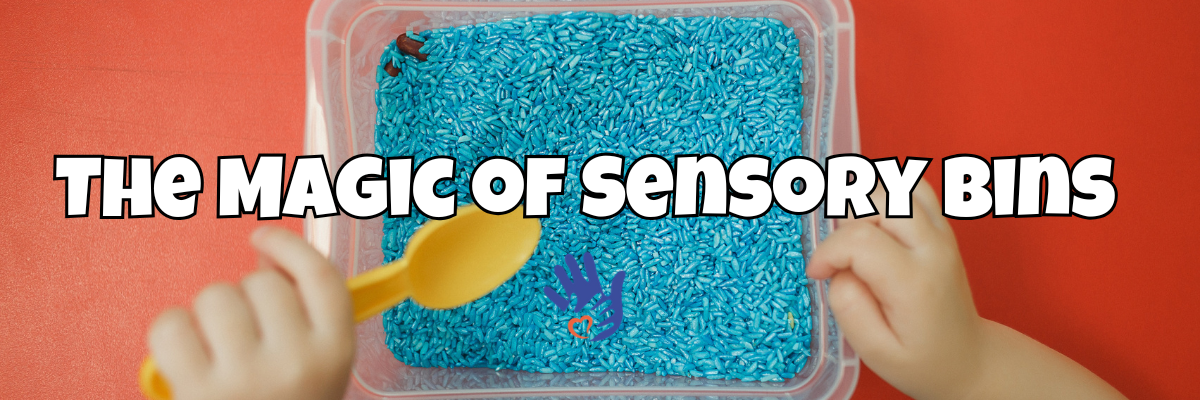
The Magic of Sensory Bins

Unleashing Creativity and Play: The Magic of Sensory Bins in Occupational Therapy

In the world of occupational therapy, sensory bins are a beloved tool used to foster creativity, play, and learning. Sensory bins are simple setups; however, they provide children with hands-on experiences to stimulate their senses, all while encouraging play. 


What is a Sensory Bin?

A sensory bin is a container filled with materials to offer diverse sensory experiences. Sensory bins can be as simple as a box filled with rice or as elaborate as a themed setup with various textures and materials. The goal of creating a sensory bin is to include items for children to explore through touch, sight, sound, and sometimes even smell or taste. 


Benefits of Sensory Bins

  1. Stimulating the Senses—Sensory bins can engage children’s senses through various materials. They can offer unique tactile experiences through different textures like beans, rice, pasta, sand, or flour. 
  2. Supporting Cognitive Development—Sensory bins can be tailored to support different learning objectives. For example, submerging alphabet letters or numbers in the bin can help children practice letter and number recognition, enhancing their skills. Sensory bins can also early literacy be a fun way to integrate learning and sensory development. 
  3. Providing opportunities for Creativity – When tailored to a specific theme, sensory bins allow creativity and imaginative play. Sensory bins are naturally open-ended, allowing the use of materials within the bin in various ways for play. 
  4. Enhancing Fine Motor Skills—Sensory bins can include various tools to encourage fine motor skill development. Items such as spoons, tweezers, and tongs allow children to develop hand strength, bilateral coordination, and hand-eye coordination. 
  5. Increasing Emotional Regulation – Sensory play is naturally calming and therapeutic, especially with sensory bins. Children can improve sustained attention and better manage their emotions with repetitive scooping, pouring, and sorting motions. Sensory bins provide a place for self-regulation and relaxation. 
  6. Fostering Social Skills – When used in a group setting, sensory bins can promote social interaction and cooperation. Learning to share materials, engage in imaginative play, and play in shared spaces are all benefits of sensory bins. 


Creating Your Own Sensory Bin

  1. Select Materials – The possibilities are ENDLESS. Common materials used in sensory bins include rice, beans, sand, and pasta. Other items could include plastic animal figurines, building blocks, or pom poms. These items can be cost effective and are often found around your home already. It is important to ensure that materials are safe and age appropriate for the age group. 
  2. Incorporating Tools – Add spoons, tongs, containers, tweezers, and other tools to enhance the play experience. 
  3. Set Up the Bin – Arrange the materials within a container. If desired, include other elements such as themed toys, letters/numbers, or activity cards. Make sure the bin is large enough for the children to explore comfortably. 
  4. Optional – Starting with a Theme – Start with a theme that interests your child and can support the current learning objectives. Themes can range from seasons to holidays to your child’s favorite show. 


How Can Carolina Therapy Connection Help?

Here at Carolina Therapy Connection, our Occupational Therapist often incorporates sensory bins into your child’s treatment sessions when appropriate. We are constantly switching out our bins with new sensory experiences for our clients. Consult with your child’s Occupational Therapist for more ideas and information about ways to include sensory bins into your child’s play routine at home. 

Sensory bins are more than just a fun play activity. They are powerful tools to support your child’s sensory development, fine motor skills, emotional regulation, social skills, and creativity. Incorporating sensory bins into your child’s play routine can help create enriching experiences! So, gather your materials, embrace the mess, and embark on a sensory adventure with your child that is both joyful and educational. 


Why Is Food Play Important For Picky Eaters?

What Is Food Play? 

As a child, most of our parents would tell us not to play with our food…well, sometimes playing with food is a great benefit for children. 

Food play is an important sensory play activity for children with sensory defensiveness and those that are picky eaters. This type of play can be fun and a non stressful way for children to explore different foods using all of their senses. Children gain skills through play-based learning. Food play is a great opportunity for children to explore and learn about foods and over time become comfortable with interacting with the foods. Not only does food play increase exposure to different foods, it improves fine motor skills for self-feeding, imaginative play, family interaction, and increases vocabulary to help describe foods.

Food Play Activities: 

  • Pretending to make a meal for you, their dolls or friends.
  • Having a tea party with dolls or parents.
  • Playing restaurant
  • Using a paint brush and paint with puree food
  • Using tongs to play with cooked noodles
  • Cutting foods with knife or a cookie cutter
  • Simon Says with food (placing food on different parts of the body, make it dance, make a noise, take a bite, etc.)
  • Making a sensory box out of cereal or dried noodles
  • Drawing with shaving cream, apple sauce, or pudding with their finger
  • Driving cars and digging through rice, beans, or dried noodles
  • Cutting foods into small pieces to feed to toy animals

Great Tips for Setting Up Food Play Activities: 

During food play, go with the pace of the child. Do not force your child to do food play. It should be a positive and low-pressure activity. Present foods with different colors, shapes, sizes, and textures. You can present foods during food play that you would like your child to eventually eat. It is important that food play should not be engaged in the child’s regular mealtime environment. Conduct it outside, on the floor with a blanket, activity table, etc. During food play, it is okay if the child denies eating the food that is being presented. Remember the goal is to expose the child to these foods not consumption. You can model eating the foods but try not to pressure your child into eating.

How Can Carolina Therapy Connection Help?

In addition to utilizing the tips above at home, we know that sometimes children need an extra push to expand their food repertoire. At Carolina Therapy Connection, our occupational and speech therapists provide feeding therapy that uses a collaborative approach to work closely with you and your child to determine the source of a child’s feeding difficulties, and develop specific intervention plans to make the entire eating process easier and more enjoyable. Often times, feeding therapy happens on a weekly basis and may consist of working on difficulty with trying new foods, chewing, swallowing, sensory issues, irritability at meal time and so much more. Our goals are to broaden your child’s scope of foods, teach them the benefits of healthy eating, and develop oral motor skills needed for optimal growth and nutrition.

Our Occupational Therapists take a sensory-based feeding approach to therapy.  They focus on: oral motor skills, sensory sensitivities, progressing through food textures, and using adaptive equipment and tools to develop self-feeding skills. They also use a process called food chaining, which is a child-friendly treatment approach that helps introduce new foods while building on the child’s past successful eating experiences. In this process, the child is presented with new foods that may be similar in taste, temperature, or texture to foods the child already likes and accepts. Our occupational therapists are certified in the SOS Feeding Approach, a nationally and internationally recognized approach for assessing and treating children with feeding difficulties.

Our feeding therapists have 15-20 years of experience with children of all ages and a variety of feeding disorders. They have certifications in SOS and AEIOU approaches and significant training from around the country on feeding approaches, treatment strategies, and focused plans. We also having consistent collaboration with other professionals in the community to guarantee the best care. Call our clinic at 252-341-9944 for a free phone screening with one of our feeding therapists and schedule an evaluation today!

Why Does My Child Put Everything In Their Mouth?

What is Oral Sensory Seeking?

Oral Sensory Seeking is the constant desire or need for a child to place objects in or touch their mouth. Children who have an oral fixation usually feel the need to constantly chew or suck on something. Depending on the age of the child, this may or may not be appropriate. As a parent, this can be difficult to navigate, especially due to the risk of choking on small objects. We know it is impossible to have eyes on your child every minute and scary to feel like you need to keep everything picked up off the floor and out of reach at all times. The oral stage of development that happens from birth to 21 months involves an infant’s pleasure center being focused on the mouth and lips, which are used for sucking and feeding. This is the age when the infant puts everything in the mouth—from hands, fingers, wrists, toys, pacifiers, clothing, blankets … just about anything within hands reach. One of the first prominent objects the baby’s mouth becomes accustomed to is a mother’s breast, for milk. In this blog, we will explore some of the reasons why your child may continue seeking additional oral sensory needs when it is no longer age-appropriate and activities to help them with this behavior.

What are Oral Sensory Seeking Behaviors?

When a child chews, mouths, sucks, or bites non-edible objects and/or edible objects frequently, we will call this an oral sensory seeking behavior. It can also involve harmful behaviors like biting. Some children who are seeking out oral and tactile (touch) sensory input will bite parts of their body, such as the arms, legs, feet and hands. Although oral seeking behavior can help children regulate their bodies and emotions at times, it can also prevent children’s learning if the child is constantly looking for objects to put in their mouth, or cause harm when they bite or suck on themselves. If children are distracted by finding objects or fixated on this behavior, it can affect their ability to focus at school or on an activity at hand.

Here is a list of common oral sensory seeking behaviors:

  • Excessive or frequent licking and/or chewing of random objects or toys
  • Excessive or frequent chewing of soft items or clothing (shirt sleeves, bed sheets, blankets, stuffed animals)
  • Biting toys or people, especially when unprovoked or when overly excited
  • Chewing the inside of the cheeks or biting/sucking on lip
  • Biting nails
  • Grinding teeth
  • Stuffing mouth with food or holding food in mouth for a long period of time
  • Drooling or spitting purposefully

How Can I Help My Child With Oral Sensory Behaviors?

Although there are a variety of ways to provide oral sensory input to children in a safe way and to replace oral sensory behaviors.. no child is the same when it comes to the solution. Our occupational therapists at Carolina Therapy Connection recommend that you experiment with these activities as part of your child’s sensory diet and notice what tends to calm, alert, and/or regulate them.

Create a FREE sensory diet with this template from “Your Kids Table” HERE!

Oral Sensory Seeking – Chewing Activities

  • Chewing crunchy foods, chewy foods, gum etc.
  • Use a chewy jewelry or other sensory chew toys

  • Vibrating chew toys (for kiddos who need that extra sensory input!)

Various Activities for Sensory Input

  • Blowing bubbles or blowing up balloons
  • Suck on sour candies, lollipops, ice cubes, etc.
  • Clicking tongue
  • Drink various textures through a straw (apple cause, milkshakes, yogurt, pudding, etc.)
  • Whistles, party blowers, kazoos, harmonicas, pinwheels etc.
  • Make a bubble mountains with dish soap and water

Bubbles Oral Motor Activities

How can Carolina Therapy Connection help?

Occupational therapy addresses any barriers that affect someone’s physical, mental and emotional wellbeing, which includes sensory integration difficulties. Sensory integration refers to how your body recognizes, processes, and responds to information received by our sensory systems on an individual and combined level.This includes our traditional 5 senses, sight, touch, taste, smell, and hearing; however, we also have proprioceptive and vestibular sensory systems. Often times, oral sensory processing or seeking difficulties are paired with other sensory system difficulties. Occupational therapists use sensory integration therapy by exposing a child to sensory stimulation in a structured and organized way. The goal of sensory integration therapy is to adapt the child’s brain and nervous system to process sensory information more efficiently.

At Carolina Therapy Connection, we offer Sensory Integration Therapy and play-based treatment intervention that is specifically designed to stimulate and challenge all of the senses. Sensory Integration involves specific sensory activities (swinging, bouncing, brushing, providing oral sensory input and more) that are intended to help your child regulate his or her response to incoming sensory input. The outcome of these activities may be better focus and attention, improved behavior, and even lowered anxiety. Our therapists may work on  lowering a patient’s negative reactions to touch, help them become better aware of their body in space, and work on their ability to manage their bodies more appropriately (run and jump when it’s time to run and jump, sit and focus when it’s time to sit and focus, etc.).

Our occupational therapists will complete an initial evaluation to become familiar with your child’s strengths, weaknesses and daily routine. Following the evaluation, they will create an individualized treatment plan and goals to address any concerns with development. We take pride in making therapy enjoyable and fun for your child, so that they can be motivated to live their life to their greatest potential. If you are interested in a FREE occupational therapy screening in the Greenville, Goldsboro, or New Bern, NC areas, call us at (252) 341-9944.

Why does my child put everything in their mouth? Carolina Therapy Connection

Mealtime Tips For Your Picky Eater

Why Is Mealtime So Important For Children?

The 3 most important things for humans to survive is: food, water and oxygen. For some parents, the concern for their kiddos health and well-being becomes heightened when they notice their kiddo isn’t eating as much food or as many types of foods as they may have at one time. Some kiddos who are referred to Occupational Therapy are considered “Picky Eaters” and others may be referred to as a “Problem Feeder”. We all know a picky eater. This is a person/kiddo who has at least 30 foods in their repertoire. Whereas a “Problem Feeder” is a person/kiddo who has less than 20 foods in their repertoire. There are many reasons this could happen such as trauma, sensory related challenges, anxiety, behavioral challenges, and more. As Occupational Therapists, we are trained to assist these kiddos by addressing these challenges which can increase their tolerance for trying new foods! Keep reading to learn more picky eater tips we have below!

So why is MEALTIME so important to assist with this?

One of the first things we will ask as OTRs or COTAs is “What does mealtime look like at home?” Some parents may say, 

“We all sit down as a family every night for dinner but we are busy or gone for breakfast and lunch”, “We are so busy that we are lucky to eat all at the same time”, or “(The child) eats all day but won’t eat the food I cook at dinner”. Of course these are just examples, but can you relate to any of them? It’s a possibility! 

Asking about mealtimes is very important to your therapist because this gives us an idea of how your child eats during the day. Kiddos need fuel to keep their bodies going. However, WHAT they are taking in and HOW/WHEN they are taking it in will make a huge difference in behavior, attention, ability to process/retain information and regulate emotions/emotional responses. To give you an idea of why the “what”, “how” and “when” are so important, I’ll follow up on the questions above.

1. “We all sit down as a family every night for dinner but we are busy or gone for breakfast and lunch”

This could be a beneficial time to incorporate feeding techniques and build interest in the foods around the table. Interest always comes before action. A child must first be interested in the food before they will interact with it. This is one reason that mealtime is so important for kiddos. It can be an opportunity to build interest in various smells, sights, and textures of foods provided by parents in a supportive and positive manner.

2. “We are so busy that we are lucky to eat all at the same time”

How can you work your schedule to have a least one meal together every other day? We understand that this busy world requires busy people to keep it going. However, when you are overwhelmed and exhausted your child may pick up on that. Children are very intuitive. Incorporating as many mealtimes as possible may assist with parent/child interaction and decreasing anxiety and overwhelming emotions in adults which can in turn make eating less stressful for a “picky eater”.

3. “(The child) eats all day but won’t eat the food I cook at dinner”

Grazing is when a kiddo eating little snacks all throughout the day. Have you ever seen a child leave a snack on the table, go play for 30 minutes, then return to finish the snack? If your child is doing this all day, it may explain why they are not eating at mealtimes. Typically, the brain lets us know when we need to refuel because the digestive system sends signals saying, “I’m empty in here!”. When grazing, a child’s brain will begin to have a hard time distinguishing when the child is hungry due to constantly having food in the digestive system. This can effect metabolism and the ability to regulate hunger. When given mealtimes, the body has time to regulate, digest and filter out what it needs for fuel. Additionally, if given processed snacks that are high in sugar or carbohydrates throughout the day, the body will begin to crave them. This can create a difficult loop to break when introducing thing like vegetables, meats and some fruits. Positive interactions at mealtimes can assist with parent/child interactions, lowering anxiety and stress levels, giving the child’s body time to process what it needs for fuel and providing learning opportunities for the sensory system. This can be a major changing factor in how your child engages with food! 

Additional Mealtime Picky Eater Tips

Picky Eater Tips #1: Don’t force foods on children

As parents, we want our children to eat a variety of foods, including vegetables, fruits and other healthy snacks to help them grow to be strong and healthy. Studies show that forcing a child to sit and eat until they have cleared their entire plate is not the best method for achieving this goal. Instead, parents should promote foods that may have not been a hit the first time around. You can model this yourself by trying a food you haven’t liked in the past, and explain that you’re giving it another chance because your tastes may have changed. We want to show kids that we are adaptable. Remember: It can take as many as 10 or more times tasting a food before a toddler’s taste buds accept it. 

Picky Eater Tips #2: Get Creative With Food Bingo

You can also put together a list of new foods for the family to try and make a game out of it—what will we try tonight? You can make it interactive and fun by doing something creative like Food Bingo. There are many free printable online similar to the image shown below. You can even make your own! Hang it on the fridge and have your child place a sticker or check off the new foods they have tried. You can even add in a reward for them getting “bingo” – a trip to their favorite place, a new toy, a play date, or something else they really enjoy!

Food Bingo

Picky Eater Tips #3: Don’t Make a Second Meal

When you serve a meal to your family and your kiddo refuses to eat it, we recommend having simple and consistent back up options, such as yogurt, a cheese, nut & fruit snack pack, apple sauce, cereal etc. It’s important for children to know that if they can not eat the meal you have prepared, they will receive the standard option – rather than the usual chicken nuggets baked quickly in the oven. We should also teach kids that a meal isn’t ruined if it comes in contact with something they don’t like. Finding an unwanted pickle on your cheeseburger will not contaminate it. Children should be encouraged to push food they don’t like off to the side, or onto another plate, or offer to share it with someone else.

Picky Eater Tips #4: Involve Your Kiddo in the Meal Prep Process

Some cooking tasks are perfect for toddlers and small children (with supervision, of course): sifting, stirring, counting ingredients, picking fresh herbs from a garden or windowsill, and “painting” on cooking oil with a pastry brush. Allowing our children to interact with the foods they are going to eat will help to promote and encourage them to try it!

Picky Eater Tips #5: Food Chaining

Once your kiddo tries a new food and that food is accepted, use what one our Occupational Therapist’s favorite pickle eater tips call “food chaining” to introduce others with similar color, flavor and texture to help expand variety in what your child will eat. Children with sensory concerns have difficulty with leaping from the types of food they are willing/able to eat. Food chaining builds a bridge to get to those foods you really want your child to eat one step at a time through links to food they’re already eating. Examples include:

  • If your child likes pumpkin pie, for example, try mashed sweet potatoes and then mashed carrots.
  • If your child loves pretzels, try veggie straws next, and then move on to baby carrots or carrot sticks. Carrots are hard, crunchy, and stick shaped, but are cold and have a different taste.
  • If your child loves French Fries, then give a try to Zucchini fries.
  • Move from cookies to Fig Newtons, to jam toast, to jam sandwich, to bread with sliced strawberries, and lastly to fresh strawberries
  • If chicken nuggets are the fan favorite, try to first change the brand of nuggets, then move to homemade chicken nuggets, then to homemade tenders, and lastly to a baked chicken breast.
  • Maybe your kiddo love goldfish crackers. Next give Cheeze Itz a try, and then move on to saltine crackers, and lastly to saltines with cheese slices.

How Can Carolina Therapy Connection Help?

In addition to utilizing the tips above at home, we know that sometimes children need an extra push to expand their food repertoire. At Carolina Therapy Connection, our occupational and speech therapists provide feeding therapy that uses a collaborative approach to work closely with you and your child to determine the source of a child’s feeding difficulties, and develop specific intervention plans to make the entire eating process easier and more enjoyable. Often times, feeding therapy happens on a weekly basis and may consist of working on difficulty with trying new foods, chewing, swallowing, sensory issues, irritability at meal time and so much more. Our goals are to broaden your child’s scope of foods, teach them the benefits of healthy eating, and develop oral motor skills needed for optimal growth and nutrition.

Our Occupational Therapists take a sensory-based feeding approach to therapy.  They focus on: oral motor skills, sensory sensitivities, progressing through food textures, and using adaptive equipment and tools to develop self-feeding skills. They also use a process called food chaining, which is a child-friendly treatment approach that helps introduce new foods while building on the child’s past successful eating experiences. In this process, the child is presented with new foods that may be similar in taste, temperature, or texture to foods the child already likes and accepts. Our occupational therapists are certified in the SOS Feeding Approach, a nationally and internationally recognized approach for assessing and treating children with feeding difficulties.

Our feeding therapists have 15-20 years of experience with children of all ages and a variety of feeding disorders. They have certifications in SOS and AEIOU approaches and significant training from around the country on feeding approaches, treatment strategies, and focused plans. We also having consistent collaboration with other professionals in the community to guarantee the best care. Call our clinic at 252-341-9944 for a free phone screening with one of our feeding therapists and schedule an evaluation today!

Blog Written By: Shelby Godwin, COTA/L, AC & Morgan Foster, MS, OTR/L


All About Occupational Therapy

What is Occupational Therapy? 

The main goal of OT is to increase quality of life so that the client can continue to participate in their personal interests as well as take care of their own needs. Through therapeutic use of self, a strong relationship of trust is built between client and therapist that will help the client to grow in skills leading to increased independence. Occupational therapists improve, rehabilitate, or maintain individuals’ performance to complete everyday occupations (IADLs & ADLs).

What is the role of an Occupational Therapist?

As an occupational therapy assistant, working in the pediatric setting, it is my responsibility to implement activities and tasks that will improve my clients ability to perform at an age-appropriate level. In this setting, you will commonly see OTs working on improving age-appropriate grasp and legibility with handwriting, sensory processing, oral motor skills for feeding, core strengthening for postural control, hand strengthening to increase fine motor skills, visual motor/perceptual skills for copying shapes and or letters.

What are IADLs?

IADL’s stands for Instrumental Activities of Daily Living that involve your home and community. Below is a list of different IADLs an individual may complete regularly.

  • Care of others
  • Care of pets
  • Communication management
  • Driving and community mobility
  • Financial management
  • Health management and maintenance
  • Housekeeping
  • Food preparation
  • Religious and spiritual activities
  • Shopping

What are ADLs?

ADL’s stands for Activities of Daily Living and are basic self-are tasks an individual engages in daily.

  • Bathing
  • Grooming
  • Toileting
  • Dressing
  • Feeding
  • Transfers
  • Abulation

How Can OT Benefit Children? 

Occupational therapy can benefit children of all ages with a variety of needs and diagnoses including:

At CTC, our occupational therapist provides screenings, assessments, consultations, and treatment for those concerned about: 

  • Cognitive skills
  • Gross & fine motor skills
  • Self-care tasks
  • Self-feeding tasks
  • Sensory processing
  • Visual processing & perception
  • Social skills

How can Carolina Therapy Connection help?

Our occupational therapists will complete an initial evaluation to become familiar with your child’s strengths, weaknesses and daily routine. Following the evaluation, they will create an individualized treatment plan and goals to address any concerns with development. We take pride in making therapy enjoyable and fun for your child, so that they can be motivated to live their life to their greatest potential.

We use evidence-based treatment approaches including:

If you have questions regarding your child’s development or want to learn more about occupational therapy, call our clinic today at 252-341-9944 or visit our referrals page HERE. We provide services in Greenville, Goldsboro and New Bern, North Carolina. One of our licensed and board certified therapists will be happy to provide you with a FREE developmental screening today! We can’t wait to begin this journey with your family!

Blog Written By: Lacey Smith, COTA/L