



Contact Us Make a payment Check In

Feeding Tube Awareness: Inclusive Mealtimes for Children

Written by: Qiana Jones, COTA/L 

Feeding Tube Awareness Week offers an opportunity to raise understanding, reduce stigma, and celebrate children who receive nutrition through feeding tubes. At Carolina Therapy Connection, we believe feeding is about more than intake… It’s about connection, participation, dignity, and honoring each child’s unique needs.

From an occupational therapy perspective, the use of feeding tubes does not represent a failure. They serve as supportive medical tools that help children grow, conserve energy, and engage more fully in daily life.

Understanding Tube Feeding Through an Occupational Therapy Lens

Children may require feeding tubes for many reasons, including:

  • Medical complexity
  • Sensory processing differences
  • Oral-motor or swallowing challenges
  • Difficulty regulating during mealtimes

Tube feeding can:

  • Support adequate nutrition and hydration
  • Reduce stress and pressure around eating
  • Allow children to focus energy on play, learning, and development

Some tube-fed children also eat by mouth, while others do not, and both experiences are VALID. As occupational therapists, we focus on safety, regulation, and meaningful participation, rather than forcing a single feeding outcome.

Creating Inclusive Mealtimes at Home

Family meals can remain meaningful and inclusive, even when the way we feed looks different.

🍽️ Togetherness Matters More Than Sameness

Children do not need to eat the same way to belong at the table. Sitting together, participating in routines, and sharing conversation reinforces connection and a sense of belonging.

🧃 Normalize Tube Feeding Within Daily Routines

When appropriate, families can include tube feeds during shared mealtimes rather than separating them. This approach helps normalize tube feeding and reduces feelings of difference or isolation.

Having Healthy Conversations About Tube Feeding

How adults talk about tube feeding shapes how children understand their bodies and needs.

💬 Use Neutral, Confident Language

Supportive phrases may include:

  • “This is how your body gets the nutrition it needs.”
  • “Everyone’s body works differently.”

Avoid language that frames tube feeding as something to “fix” or apologize for.

🌱 Welcome Curiosity

Siblings, peers, and adults often have questions. Simple, factual responses help normalize tube feeding and reduce stigma:

  • “This helps their body grow strong.”

Feeding Is About More Than Food

From an occupational therapy perspective, feeding involves more than eating. It includes:

  • Sensory processing
  • Motor coordination
  • Emotional regulation
  • Past experiences
  • Feelings of safety and trust

For some children, oral feeding feels overwhelming—or may not be safe. Tube feeding allows the nervous system to regulate, so exploration, if and when appropriate, can happen without pressure.

Progress may look like:

  • Reduced anxiety at meals
  • Increased tolerance of food-related experiences
  • Longer participation at the table
  • Improved family routines

These gains matter, and they deserve recognition and celebration.

Supporting Families With Compassion

Families of tube-fed children often navigate:

  • Emotional stress
  • Conflicting advice
  • Social pressure
  • Fear of judgment

Choosing tube feeding reflects care, advocacy, and responsiveness to a child’s needs, NOT a lack of effort. Families deserve support grounded in empathy and respect.

How Can Carolina Therapy Connection Help?

Our occupational therapy team supports:

  • Inclusive, child-centered mealtime routines
  • Individual feeding journeys without judgment
  • Family partnership grounded in compassion
  • Dignity, understanding, and meaningful participation

Feeding tubes help children THRIVE… not just survive.
If you have questions about feeding, regulation, or participation at mealtimes, our occupational therapy team is here to help.

Schedule your free consultation by clicking here.

How Occupational Therapy Supports School Readiness Skills for Children

As your child prepares to enter school, it’s important to ensure they have developed key skills that will set them up for success in the classroom. While most people think of academic skills first, school readiness encompasses much more. It involves a combination of physical, social, emotional, and cognitive skills that enable children to interact with their environment, communicate with others, and perform tasks independently. Occupational Therapy plays a critical role in helping children develop these skills, ensuring they are ready to thrive in the school environment.

What Are School Readiness Skills?

School readiness skills are the foundation children need to succeed in school and beyond. These skills can range in areas, including:

  1. Motor Skills: Physical abilities needed for tasks like holding a pencil, cutting with scissors, and using a computer.
  2. Cognitive Skills: Problem-solving, memory, attention, and following multi step instructions.
  3. Self-regulation: The ability to control emotions, focus attention, and manage impulses.
  4. Social Skills: Communication, cooperation, and forming friendships with peers.
  5. Independence: Being able to complete tasks like dressing, feeding, and using the bathroom independently.

While children often develop many of these skills through everyday experiences and play, sometimes we may need more support in certain areas. This is where occupational therapy can HELP!

How Occupational Therapy Supports School Readiness Skills

Occupational therapy focuses on helping children develop the skills needed to function independently and participate in daily activities. For school readiness, an OT can address a variety of skills, ranging from fine motor skills to emotional regulation.

1. Fine Motor Skills:

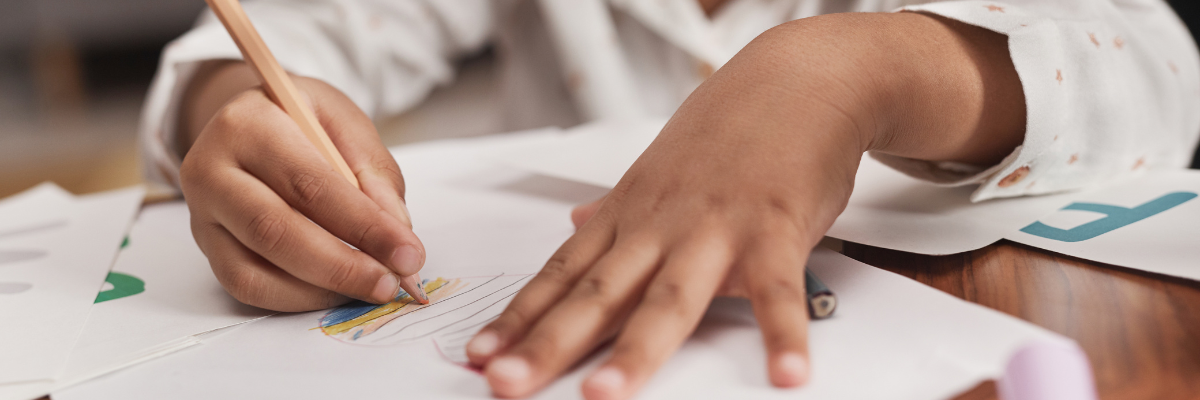
Fine motor skills are essential for performing tasks like writing, cutting with scissors, and manipulating small objects. These skills involve the small muscles in the hands, fingers, and wrists.

How OT helps:

  • Handwriting: Occupational therapists can work on grip strength, pencil control, grasp, and letter formation.
  • Cutting: Through activities that strengthen hand muscles, incorporate bilateral hand use, and improve coordination, OTs can help children use scissors effectively.
  • Manipulating Objects: Simple activities, such as stacking blocks, buttoning shirts, or zipping jackets, can be incorporated into therapy to improve finger dexterity.

2. Sensory Processing:

Children who have difficulty processing sensory information (sounds, lights, textures, smells) may find it challenging to focus in a busy classroom environment.

How OT helps:

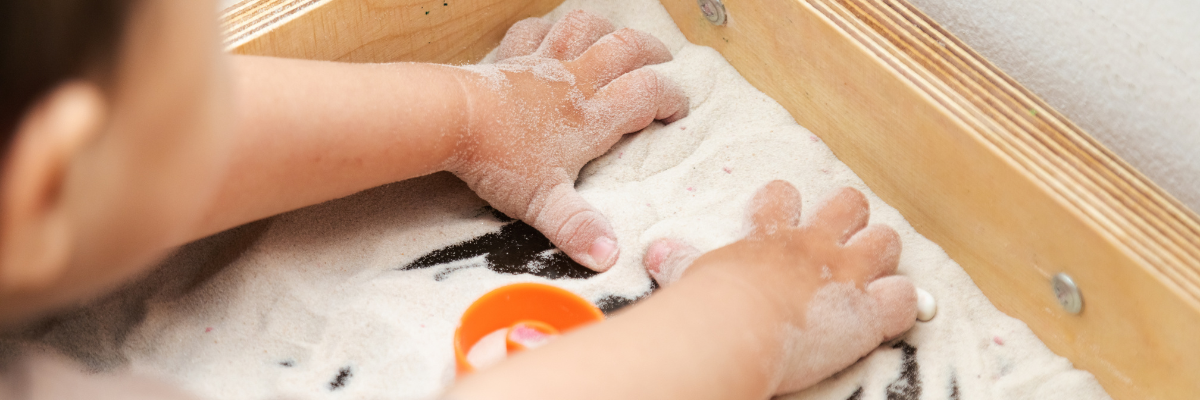
  • Sensory Integration: Through specialized activities, an OT can help children learn to cope with sensory overload or under-sensitivity. For example, children might engage in tactile play, use fidget toys, or participate in calming sensory breaks.
  • Self-regulation: OT teaches strategies like deep breathing, stretching, and muscle relaxation to help children manage their responses to stress or overstimulation.

4. Social and Communication Skills:

School readiness isn’t just about physical skills—it’s also about being able to communicate, share, and work with others. Children must learn to understand social cues, follow directions, and engage with their peers.

How OT helps:

  • Social Interaction: Occupational therapists use role-playing, peer play,  and social stories to help children practice sharing, taking turns, and understanding facial expressions.
  • Cooperative Play: Children can engage in group activities that promote teamwork, turn-taking, and appropriate communication.
  • Following Instructions: Through structured activities, OTs can help children develop the ability to listen, understand, and follow multi-step instructions.

5. Self-Care Skills:

One often-overlooked area of school readiness is the ability to perform daily tasks independently, such as dressing, eating, and toileting.

How OT helps:

  • Dressing: Occupational therapists can break down the steps needed to put on and take off clothes, teaching children how to button, zip, or tie shoes.
  • Feeding: They can work with children to develop the skills necessary for using utensils, managing snacks, and opening lunchboxes.
  • Toileting: OT helps children develop the independence to use the bathroom and practice hygiene routines like handwashing.

6. Attention and Focus:

A critical skill for school success is the ability to focus and pay attention during class activities.

How OT helps:

  • Improved Focus: OTs use games and activities that challenge attention, helping children learn to stay on task for longer periods.
  • Task Completion: Children learn how to break down tasks into manageable steps and practice following through until the task is completed.
  • Transitioning Between Activities: OTs help children practice switching from one activity to another smoothly, such as moving from recess to classroom work.

How to Get Started with Occupational Therapy for School Readiness

School readiness is more than just knowing the alphabet or counting to ten—it’s about developing the physical, social, emotional, and cognitive skills that will help children thrive in a classroom environment. Occupational therapy can support children in developing the motor skills, self-regulation, social abilities, and independence they need to succeed. If you’re concerned about your child’s readiness for school, working with an OT can provide valuable support and make the transition smoother.

If you’re concerned about your child’s school readiness skills, occupational therapy might be the solution. Call us today at 252-341-9944 to get started.

Animal Walks for Kids

From Leaps to Roars: How Animal Walks Boost Kids’ Development 

Looking for a creative and engaging way to get your child moving while enhancing their overall development? Animal walks could be the perfect activity for your child! From waddling like a duck to crawling like a bear, these simple movements bring a sense of adventure to playtime and promote increased muscle strengthening, sensory regulation, play skills, and much more.. Let’s dive into how these movements can make a big difference! 

What Are Animal Walks? 

Animal walks are fun and imaginative movements where children mimic the actions of different animals. These activities involve crawling, hopping, waddling, or stretching like various creatures, such as bears, frogs, crabs, or kangaroos. This activity can easily be incorporated into your child’s daily routine and tailored to their needs.

How Can Animal Walks Help My Child? 

  1. Sensory Regulation 

Animal walks are designed to activate large muscle groups and promote body awareness. These movements engage the body in different ways, offering proprioceptive input (the feedback received from muscles and joints, which provides information about our body’s position and where our body is in space) and vestibular input (the information received regarding changes in head position, movement, and balance). These types of sensory input can be calming and organize the nervous systems of children with sensory processing difficulties. By engaging your child in animal walks, you may notice improvements with emotional regulation, transitioning between activities/tasks, and their overall focus. Animal walks can easily be incorporated before bedtime, while getting ready for school, or even while doing homework to support your child’s overall sensory regulation before or during these tasks! 

  1. Weightbearing 

Animal walks are an excellent way to incorporate weight-bearing activities into your child’s daily routine, providing significant benefits for upper and lower extremity strengthening and stability. These movements require children to support their body weight in various positions, helping to develop and strengthen muscles, joints, and bones. Animal walks can also significantly aid in decreasing muscle spasticity (or muscle tightness) and are especially beneficial for children with cerebral palsy, Down syndrome, and other conditions that cause high/low muscle tone. Try this activity with your child while moving around your home or community, watching TV, or even before bath time to promote strengthening and overall functional performance during daily living tasks.

  1. Play Skills 

Play skills are essential for a child’s development, fostering creativity, problem-solving, and social interaction. Play is perhaps the first way children learn to navigate relationships and express themselves. Animal walks are a great way for children to boost their imaginative, reciprocal (i.e., turn-taking), and cooperative (i.e., working together) play skills. Children diagnosed with autism often struggle with these play skills; animal walks can be a great way to incorporate creativity with functional play while promoting other social interaction skills! Try modeling the different movements while making the corresponding animal sound to increase your child’s engagement in the activity. 

  1. Bilateral Coordination

Animal walks are great for developing bilateral coordination skills in children because they require both sides of the body to work together in a coordinated way. For example, when a child mimics a bear’s movement, they must use opposite limbs simultaneously, helping to improve and strengthen the connection between the right and left sides of the brain. Bilateral coordination skills are essential for developing a child’s skills, including using scissors, balancing during movement, manipulating clothing fasteners, tying shoes, brushing teeth, and much more! To target your child’s bilateral coordination skills more successfully during this activity, try giving your child visual cues (i.e., colored construction paper “spots”) to guide where to place their left/right hand or foot next. 

  1. Motor Planning 

Motor planning is thinking about and organizing the movements needed to complete a task. It involves figuring out what actions to take, how to do them, and in what order. Motor planning helps children move their bodies in a coordinated way to complete everyday tasks, such as brushing their teeth, getting dressed, following directions, etc. When children imitate the movements of animals, such as hopping like a frog or walking like a crab, they must plan how to move their bodies to replicate these actions accurately. Planning and executing different animal movements help children develop motor control, sequencing, and timing, key components of motor planning. By practicing these movements, children learn to predict the results of their actions, improving their ability to coordinate complex motions. As your child repeats these movements, they also build confidence in their ability to plan and complete tasks independently.

Who Can Benefit from Animal Walks? 

– Muscle Tone Conditions: Decreased muscle tone conditions (i.e., Down Syndrome) or increased muscle tone conditions (i.e., Cerebral Palsy) can benefit from animal walks to address muscle strengthening and decrease muscle tightness, respectively. 

– Autism Spectrum Disorder (ASD): Children with ASD often present with challenges related to sensory processing, play skills, etc. Animal walks can provide various sensory input while also developing different areas of play skills. 

– Sensory Processing Disorder: Children with sensory processing difficulties often have trouble organizing their sensory systems, making it difficult to regulate their emotions. Animal walks can help provide sensory input, improving emotional regulation and activity engagement. 

– Developmental Delays: Developmental delays can often make it difficult for children to engage in age-appropriate tasks. Animal walks can target strengthening, coordination, motor planning, etc., skills to promote a child’s overall development. 

How Carolina Therapy Connection Can Help? 

At Carolina Therapy Connection, we understand children’s unique needs and provide tailored care that helps them thrive. Our therapists are trained in using animal walks to provide skilled intervention and can work with your child to promote sensory regulation and weight-bearing and develop motor planning, bilateral coordination, and play skills. 

No matter your child’s diagnosis or abilities, we can help them on their journey toward improved overall development. If you want to learn more about how animal walks are incorporated into skilled therapy, including intensives, please contact us to schedule an evaluation. You can also use this link to explore our pediatric intensive therapy services.


Shocking Truth: Why Kids Can’t Hold Pencils Anymore!

Fine motor skills are getting worse in kids today. More and more children struggle to hold pencils, use scissors, or even tie their shoes. According to a recent report from Art-K, 77% of teachers say that fine motor skills are harder for students now than just a few years ago. So, what’s causing this decline? And more importantly, what can parents do to help?

Carolina Therapy Connection specializes in helping children in Greenville, New Bern, Morehead City, and Goldsboro, NC, develop the skills they need to succeed. Our occupational therapy (OT) services focus on fine motor development, handwriting, coordination, and self-care skills to give kids confidence and independence.

Why Are Kids Losing Fine Motor Skills?

Experts point to several key reasons why fine motor skills are declining:

1. Too Much Screen Time

Instead of playing with toys, coloring, or building with blocks, many children spend hours swiping and tapping on screens. This doesn’t give their hands the same strength-building practice as traditional play.

2. Less Hands-On Learning

Many children aren’t getting enough time to practice holding crayons, cutting with scissors, or playing with small objects. Fewer opportunities for these activities can make school tasks much harder.

3. Not Enough Outdoor Play

Running, climbing, digging, and playing outside help strengthen a child’s hands and improve coordination. But many kids today spend less time outdoors, limiting natural muscle development.

4. Clothing and Snack Changes

Modern clothing and food packaging have made life easier but have also reduced everyday fine motor practice. Elastic waistbands replace buttons and zippers, Velcro shoes replace laces, and pre-packaged snacks mean kids don’t open containers or use utensils as much as before.

Simple Ways Parents Can Help at Home

The good news? You can help your child strengthen their fine motor skills with easy, fun activities at home! Here are simple, practical steps to get started:

1. Encourage Daily Fine Motor Play

Fine motor skills develop best through play. Try these activities:

  • Play-Doh and Clay – Let kids roll, pinch, and shape clay to build hand strength.
  • Puzzles and Bead Threading – These boost coordination and dexterity.
  • Lacing Cards or Sewing Projects – Great for developing control and finger strength.
  • Scissor Skills – Have kids cut paper, old magazines, or even straws for fun crafts.

2. Get Kids Involved in Everyday Tasks

Let your child help with activities that naturally build fine motor skills, such as:

  • Cooking Together – Stirring, pouring, kneading dough, and peeling fruit strengthen hands.
  • Self-Care Tasks – Encourage kids to button shirts, zip jackets, and tie shoelaces.
  • Household Chores – Folding laundry, wiping tables, and opening containers all help build fine motor strength.

3. Limit Screen Time and Increase Hands-On Activities

Try implementing screen-free times, especially before and after school. Instead, encourage activities like:

  • Drawing and Coloring – A fun way to develop pencil grip and hand control.
  • Playing with Blocks and LEGOs – Helps strengthen little fingers and improve problem-solving skills.
  • Outdoor Play – Let kids dig in the dirt, climb, and collect small objects like acorns or leaves.

4. Make Handwriting Practice Fun

If your child struggles with handwriting, avoid frustration by making it engaging and low-pressure:

  • Use a Sand or Rice Tray – Have kids practice letters by tracing them with their fingers.
  • Write on a Chalkboard or Whiteboard – This builds wrist and hand strength.
  • Try Special Handwriting Tools – Use thicker pencils, grips, or markers for better control.
  • Turn Writing into a Game – Write letters in shaving cream or use sidewalk chalk outside.
  • Use Fun Sensory Feedback– Using all of your senses increases learning. Think smell, sounds, and textures.

How Carolina Therapy Connection Can Help

At Carolina Therapy Connection, our occupational therapists use fun, play-based techniques to improve fine motor skills. We help kids in Greenville, New Bern, Morehead City, and Goldsboro, NC with:

  • Hand Strength Training – Using squeeze toys, tweezers, and resistance exercises.
  • Coordination Development – Working on scissor use, handwriting, and using both hands together.
  • Self-Care Skills – Teaching kids to tie shoes, button clothes, and use utensils confidently.
  • Handwriting Support – Helping kids develop a firm pencil grip and letter formation skills.

When Should You Seek Help?

If your child:

  • Struggles with holding a pencil or writing legibly
  • Has trouble using scissors or fastening buttons
  • Avoids activities that require hand coordination
  • Seems behind peers in self-care tasks

… they may benefit from occupational therapy.

Contact us today at Carolina Therapy Connection to learn how our team can help your child build stronger hands and gain confidence in everyday tasks!

Moving to Learn: How Movement-Based Activities Boost Speech and Language Development

We Like to Move It, Move It with Movement-Base Activities!

When you think of movement-based therapy, you may immediately think of physical or occupational therapy. Turns out, speech and language skills can and should be targeted through gross motor activities as well! How does movement help children develop speech and language skills? Incorporating movement into speech therapy sessions promotes attention, self-regulation, and learning. 

Movement-Base Activities can set the stage for Learning

Effective speech therapy doesn’t require that a child stays seated in their chair! When kids can move around (e.g., stand, bounce, jump, swing, dance), they are often more motivated to participate in therapy activities. Allowing for movement can increase a child’s attention towards the task at hand, contributing to more significant learning. Movement can also have a calming effect on the body! Think about the soothing impact of rocking a baby and how it feels to swing in a hammock or go on a walk after a long day. Engaging in movement can help a child maintain control over their emotions, thoughts, and behaviors, thus freeing up cognitive resources needed to focus on learning.  

Fun, Movement-Based Activities 

  • Create an Obstacle Course
    • Collaborate to create an obstacle course! Slides, swings, cones, bean bags, scooter boards, and balance beams can all be used to create an exciting obstacle course. Target following directions, understanding spatial concepts, and using verbs while designing and completing the course. For kids working on speech sounds, each station can include an opportunity to practice 5-10 words containing target sounds before moving on to the next station.
  • Go on a Scavenger Hunt Around the Room
    • Take turns hiding objects, puzzle pieces, or pictures around the room. To make it even more fun, use a flashlight or binoculars as you search for the hidden items. As your child finds the secret item, have them describe what they saw and where they found it to encourage expressive language skills.
  • Sing and Dance to Music
    • Music’s repetitive and melodic element makes it a meaningful way to experience language. For younger kids, sing familiar nursery rhymes and songs to encourage early communication skills such as imitating actions (e.g., clapping hands, stomping feet). Music tends to be repetitive, which provides many opportunities to hear words and phrases. Using a sing-song voice often makes language more memorable for children as they acquire words. Older kids may enjoy taking a dance break while practicing their speech and language goals or choose songs containing a child’s target speech sounds to make repetitive practice more fun!

How can Carolina Therapy Connection Help?

Ask your child’s speech-language pathologist for more ideas for using movement to foster the development of speech and language skills. If you have questions or concerns regarding your child’s communication skills, a Speech-Language Pathologist at Carolina Therapy Connection can help!


Transforming Pediatric Care with Galileo KIDS

Revolutionizing Pediatric Therapy: Introducing Galileo KIDS

At Carolina Therapy Connection, we’re dedicated to providing the most innovative tools and techniques to help children reach their full potential. That’s why we’re excited to offer Galileo KIDS, a cutting-edge therapy device designed to support children across multiple developmental and therapeutic goals. Whether your child is working on physical, occupational, or speech therapy, this technology can be a game-changer!

What is Galileo KIDS?

Galileo KIDS is a whole-body vibration therapy platform specifically designed for children. This scientifically developed device uses side-alternating oscillations to mimic natural movement patterns, engaging muscles and stimulating the neuromuscular system. The platform is customizable, allowing therapists to adjust the intensity to meet the specific needs of each child.

Originally developed for medical and therapeutic use, the Galileo system has been backed by extensive research demonstrating its effectiveness in:

  • Improving muscle strength and tone
  • Enhancing balance and coordination
  • Supporting bone density and joint flexibility
  • Boosting circulation and reducing spasticity

This evidence-based approach makes it an invaluable tool across various therapy disciplines.

How is Galileo KIDS Used in Therapy?

Physical Therapy:
The Galileo KIDS is a powerful tool for building strength and mobility. It activates the stretch reflex, a natural muscle contraction, at a much faster rate than traditional exercise. This can help children:

  • Develop core strength and stability
  • Improve balance and gait/walking patterns
  • Enhance flexibility and range of motion/movement
  • Manage conditions like cerebral palsy, muscular dystrophy, or hypotonia

Occupational Therapy:
For children working on fine motor and sensory integration, the Galileo KIDS provides unique opportunities for growth. The gentle vibrations help:

  • Regulate sensory processing and calm overstimulation
  • Improve hand-eye coordination through targeted activities
  • Strengthen hand, wrist, and shoulder muscles critical for daily tasks like writing, dressing, or eating

Speech Therapy:
While vibration therapy might not seem directly tied to speech, it can play an essential role in improving motor control and posture, which are foundational for effective communication. Therapists use Galileo KIDS to:

  • Enhance core strength for better breath control and vocal projection
  • Address oral motor coordination through improved posture and alignment
  • Support neurological pathways critical for speech and language development

Why Choose Galileo KIDS for Your Child?

The benefits of Galileo KIDS go beyond its cutting-edge technology. It’s:

  • Engaging: Children enjoy the dynamic, interactive nature of the platform.
  • Time-Efficient: Sessions are short but highly effective, with benefits often noticeable after just a few uses.
  • Safe: Built with children in mind, Galileo KIDS offers gentle yet impactful therapy tailored to each child’s age and ability.
  • Versatile: With applications across multiple therapy disciplines, it provides a holistic approach to supporting your child’s development.

Research-Backed Results

Studies have shown that whole-body vibration therapy can improve strength, bone density, and motor function in children with neuromuscular disorders and other developmental challenges. Its proven ability to enhance sensory processing and reduce spasticity makes it a trusted tool in modern pediatric therapy.

Experience Galileo KIDS at Carolina Therapy Connection

We’re proud to bring this innovative therapy device to our clinic. Whether your child is working on gross motor skills, fine motor coordination, or speech development, Galileo KIDS offers a fun, effective way to support their journey.  This service is covered under insurance when used as part of a therapeutic treatment program.

Ready to learn how Galileo KIDS can benefit your child? Contact us today to schedule a consultation and see this remarkable tool in action. Together, we’ll help your child grow stronger, more confident, and ready to take on the world!


Sensory Integration Therapy and Sensory Diet Toolkit

Enhancing Sensory Processing with Sensory Integration Therapy

Sensory integration therapy is designed to help children who experience sensory processing challenges respond to sensory input more regulated and effectively. It can play a vital role in improving a child’s sensory awareness, emotional regulation, and overall well-being. At the core of this therapeutic approach is the Sensory Diet Toolkit, a collection of activities and interventions that support sensory processing and help children navigate their sensory needs throughout the day.

What is Sensory Integration Therapy?

Sensory integration therapy is a treatment approach that focuses on how the brain processes and responds to sensory information. It helps children become more aware of their sensory experiences, such as touch, sound, sight, and movement. The therapy aims to balance how a child responds to different sensory stimuli, helping them function better in everyday environments like home, school, and playgrounds.

For children with sensory processing disorders, such as those with Autism Spectrum Disorder (ASD), ADHD, or other developmental conditions, sensory integration therapy can make a significant difference. It can improve how children respond to sensory experiences, whether feeling overwhelmed by loud noises or seeking out constant motion.

What is a Sensory Diet?

A sensory diet is a personalized set of sensory activities strategically scheduled throughout the day to help the child meet their sensory needs. It is called a “diet” because it involves a routine of activities providing specific sensory input to regulate the sensory system. Think of it as a balanced approach to sensory stimulation—just like a balanced meal plan supports your physical health, a sensory diet supports emotional and sensory well-being.

The Sensory Diet Toolkit: Key Components

The Sensory Diet Toolkit consists of various activities as well as strategies to help children with sensory processing challenges. These activities stimulate, calm, or organize the sensory system, depending on the child’s specific needs. Here are some examples:


  1. Therapeutic Brushing: This involves using a special brush to apply gentle pressure to the skin, providing calming tactile input. It can help children who are sensitive to touch or who have difficulty calming down.
  2. Therapeutic Drumming: Using drums or rhythmic activities helps children who need proprioceptive input (sensory input related to body movement) to organize their movements and also improve focus.
  3. Deep Pressure Techniques: Activities like squeezing a stress ball or using weighted blankets can help children who need calming sensory input to feel more grounded and relaxed.
  4. Movement Breaks: Short bursts of physical activity like jumping on a trampoline or spinning can help children who seek sensory input and also may need extra stimulation to feel regulated.
  5. Fidget Tools: Fidget spinners, chewable jewelry, or putty provide sensory input that helps children stay calm and focused, especially in situations that may be overstimulating.


How the Sensory Diet Helps Children

By integrating sensory activities into daily routines, children can improve their ability to process sensory information, which can help them:


  • Stay calm and focused: Sensory activities help children regulate their emotional as well as physical responses, promoting a more balanced state of being.
  • Develop better social skills: By managing sensory needs, children may have fewer meltdowns or emotional outbursts, allowing them to interact more comfortably with others.
  • Improve motor skills and coordination: Sensory activities also support the development of fine and gross motor skills, which can lead to improved physical coordination.
  • Enhance emotional well-being: Children who can self-regulate their sensory input are better equipped to handle stress, frustration, and other emotional challenges.


How Carolina Therapy Connection Can Help

At Carolina Therapy Connection, we offer sensory integration therapy as part of our comprehensive therapy services for children. Our team of skilled occupational therapists assesses your child’s unique sensory processing needs and creates a personalized sensory diet that works for them. Whether your child struggles with sensory overload, seeks constant movement, or finds it difficult to focus, we can help with strategies tailored to their needs. If you want to learn more about sensory integration and how we incorporate this approach into therapy, including intensives, please schedule an evaluation. You can also use this link to explore more about our pediatric intensive therapy services.


Understanding Therapeutic Listening for Kids

Helping Children Manage Sensory Processing Challenges with Therapeutic Listening

Does your child ever seem overwhelmed by everyday sounds, textures, or busy environments? Maybe loud noises cause distress, certain clothing feels unbearable, or transitions lead to emotional meltdowns. Watching your child struggle with sensory processing challenges can be tough, but there are supportive, evidence-informed tools that can help.

Therapeutic Listening is one such approach. This gentle, non-invasive intervention uses specially designed music to support sensory processing, emotional regulation, and overall well-being in children.

What Is Therapeutic Listening?

Therapeutic Listening uses specially designed music and sound frequencies to help children’s brains process sensory information more effectively. When children listen to this targeted music, they strengthen their brain’s ability to organize and respond to sensory experiences.

This approach supports children with a variety of challenges, including sensory processing difficulties, anxiety, ADHD, and autism. The music in Therapeutic Listening is not ordinary, it actively stimulates the brain and promotes stronger sensory integration. As a result, children often feel more comfortable, regulated, and balanced in their everyday lives.

How Does Therapeutic Listening Work?

When your child listens to carefully designed music, their brain responds to specific rhythms and frequencies that support focus, attention, and emotional regulation. These sound patterns help calm the nervous system and support children who struggle with stress, overstimulation, or difficulty concentrating.

Therapeutic Listening helps children develop stronger emotional control and reduces feelings of overwhelm. It also helps them stay calm and regulated in situations that might otherwise trigger anxiety or sensory overload. This non-invasive approach does not rely on medication or complex procedures.

How Can Therapeutic Listening Help My Child?

Improves Sensory Processing

Children with sensory processing challenges often struggle to filter distractions, which can make it hard to focus or stay calm. Therapeutic Listening trains the brain to process sensory input more efficiently and respond appropriately to different sensory stimuli. It also helps children tolerate a wider range of sounds in their environment.

Enhances Emotional Regulation

Children with anxiety or emotional regulation challenges often benefit from Therapeutic Listening because it supports calmness and grounding. Listening to structured music helps children manage their emotions and reactions, making stressful situations easier to handle.

Boosts Focus and Attention

Therapeutic Listening supports improved focus and attention, especially for children with ADHD or other attention-related challenges. The music actively engages the brain and helps children stay present and attentive.

Supports Overall Well-Being

Therapeutic Listening goes beyond improving focus or reducing stress; it supports a child’s emotional and mental well-being. When children feel regulated and balanced, they interact more positively with others and experience greater success at home and school.

How Carolina Therapy Connection Can Help

At Carolina Therapy Connection, we offer Therapeutic Listening as part of our sensory integration therapy services. Our licensed therapists create individualized plans that help children build regulation skills, improve focus, and feel more confident in their daily environments.

If your child struggles with sensory processing, emotional regulation, or attention, we’re here to help. Contact us to schedule an evaluation or explore our pediatric intensive therapy services on our website.

Astronaut Training

Astronaut Training: Boost Sensory Processing, Balance, and Coordination Through Fun Activities

Have you ever wondered how astronauts train to thrive in space? Well, it turns out that some of the movements they experience in space, like spinning, swinging, and flipping, can actually help children improve their sensory processing, balance, and body awareness!


What is Astronaut Training?

Astronaut Training is a specialized therapy designed to help children, especially those with sensory processing issues, balance challenges, or developmental delays, enhance their sensory integration. The program uses fun and exciting activities that simulate the sensations astronauts feel in space, such as swinging and rotating.

These activities focus on strengthening the vestibular system, which controls balance, coordination, and spatial awareness. As children engage in these exercises, their brain learns to process and respond to sensory input more effectively, leading to improved focus, body awareness, and overall coordination.

How Does Astronaut Training Help Kids?


  1. Sensory Processing: Many children, especially those with sensory processing disorder (SPD), find it challenging to understand and react to sensory input from their environment. Astronaut Training helps them process sensory information better by integrating sensory experiences through movements like spinning and rotational activities. This leads to smoother, more efficient responses to sensory stimuli in everyday life.
  2. Balance and Coordination: Balance and coordination are essential skills for physical development. The rotational movements and balance activities in Astronaut Training help children strengthen their muscles and improve their balance, which leads to better coordination in other areas of life, such as sports or simple tasks like walking or running.
  3. Body Awareness: Astronaut Training activities also focus on improving body awareness, or the ability to know where one’s body is in space. Through exercises that involve flipping, spinning, and swinging, children gain a better understanding of how their bodies move and function, enhancing their ability to control their movements and interact confidently with their environment.
  4. Focus and Emotional Regulation: This type of therapy is great for the body and the mind. Astronaut training’s structured yet playful nature helps children improve their focus and emotional regulation. They learn to control their impulses and better manage their emotions, especially in response to sensory challenges.


Who Can Benefit from Astronaut Training?

Astronaut Training is particularly helpful for children with conditions like ADHD, autism, sensory processing disorder (SPD), or motor coordination difficulties. It provides an effective, fun, and engaging way to work on skills that are often areas of concern for these children. By integrating sensory activities in a structured and enjoyable way, children can experience growth in their physical, cognitive, and emotional abilities.

How Carolina Therapy Connection Can Help

At Carolina Therapy Connection, we understand how important it is for children to receive the support they need in a fun and effective way. Our team of skilled therapists uses innovative approaches like Astronaut Training to help children improve sensory processing, balance, and coordination. We create a supportive environment through personalized therapy sessions where children can thrive and gain confidence in their physical and sensory abilities. If you’re interested in learning more about Astronaut Training and how we incorporate this approach into therapy, including intensives, please feel free to contact us to schedule an evaluation. You can also use this link to explore our pediatric intensive therapy services.


Promoting Early Language Development (1-3 Years Old): A Guide for Parents

Effective Strategies for Promoting Early Language Development in Toddlers (1-3 Years)

As a parent, one of the most exciting milestones you’ll witness is when your little one starts to babble, form their first words, and eventually begin to combine words into sentences. Children between the ages of 1 and 3 experience a tremendous growth spurt in their language skills, and you, as a caregiver, play a crucial role in nurturing this development. Incorporating simple, everyday activities into your routine can foster your child’s communication abilities while strengthening your bond.

1. Model Simple, Repetitive Language

Language development begins with exposure; repetition is key to helping young children understand and start using words. By consistently repeating words, phrases, or sounds, you provide a model for your child to mimic. For example, when your child points to a ball, you could say, “Ball! Throw the ball.” By using the same word or phrase in similar contexts, your child will start to associate words with their meanings.

Tip for Parents: When playing, model simple sentences like, “I see the car. The car is red,” and repeat the words often to help your child start using them on their own.

2. Expand on Your Child’s Vocalizations and Verbalizations

Children naturally start to make sounds and babble, and it’s essential to expand on these early attempts at communication. If your child says “ba-ba” while playing with a ball, you can develop by saying, “Yes, that’s the ball!” or “Throw the ball to me!” This teaches your child to use more complex sentences and promotes vocabulary growth.

Tip for Parents: Note your child’s attempts to communicate, whether it’s a sound, word, or gesture, and repeat it with added detail or context to reinforce language skills.

3. Use Gestures to Support Understanding

Before children develop verbal skills, they often rely on gestures to communicate. By supporting these gestures with corresponding words, you help children make the connection between their physical actions and the words that describe them. For example, if your child raises their arms to be picked up, you can say, “Up! You want to go up!” This helps them link gestures with language.

Tip for Parents: Encourage your child to use gestures such as pointing, waving, or clapping, and always reinforce those gestures with words to help them connect physical actions with language.

4. Joint Attention: Share the Moment

Joint attention refers to the shared focus of two people on an object or activity. It’s an essential part of early language development because it helps children learn how to communicate about things they’re interested in. Whether it’s a toy, a picture, or a family pet, showing your child that you’re both looking at the same thing helps build their understanding of communication and strengthens your connection.

Tip for Parents: Use eye contact, point to objects, and narrate what’s happening in your child’s environment. For example, “Look at the dog! The dog is running!” This reinforces language development and creates meaningful moments of connection.

5. Engage in Interactive Activities

Interactive activities, such as reading, singing, and playing, are vital for boosting language development. Picture books are especially effective for introducing new words and concepts. Singing simple songs with repetition, like “Twinkle, Twinkle, Little Star,” helps your child learn words through rhythm and melody. Turn-taking games also help develop social communication skills.

Tip for Parents: Incorporate songs, books, and games into your daily routine. For example, during bath time, you can sing a song like “Rub-a-dub-dub, it’s time for a scrub!” to make the experience engaging and language-rich.

6. Narrate Actions and Label Objects

Narrating actions involves describing what you or your child are doing in the moment. This could be anything from “You’re putting the blocks in the box” to “I’m washing your hair.” It helps children understand the connection between words and actions and enhances their vocabulary.

Tip for Parents: Label everyday objects around the house, like “This is a spoon” or “The dog is running.” The more words your child hears, the more likely they will begin using them themselves.

7. Reflect and Support Your Role

Early language development takes time and practice. As a parent, it’s essential to reflect on your child’s progress and feel confident in your role as their primary language facilitator. Incorporating the above strategies into everyday activities will help ensure steady development, but remember that every child develops at their own pace.

Tip for Parents: Keep a journal of your child’s language milestones and celebrate each step along the way. If you have any concerns, discuss them with a speech-language pathologist (SLP) for guidance and support.

How Carolina Therapy Connection Can Help with Early Language Development

At Carolina Therapy Connection, we specialize in early language development and offer programs designed to support parents and caregivers in nurturing their children’s communication skills. Our team of speech-language pathologists (SLPs) provides one-on-one coaching sessions and tailored guidance to help you implement effective language strategies in your everyday routines.

Whether through interactive activities, practical tips, or personalized support, we’re here to empower you as your child’s primary language facilitator. If you’re interested in learning more about Early Language Development and how we incorporate different treatment plans into therapy, including intensives, please feel free to contact us to schedule an evaluation. You can also use this link to explore more about our pediatric intensive therapy services.