




Contact Us Make a payment Check In

Baby Bootcamp (Birth-1 Year)

Baby Bootcamp: Enhancing Early Communication for Infants (Birth-1 Year)

The first year of a baby’s life is filled with remarkable growth and development, and one of the most important aspects of that development is language. Early communication lays the groundwork for future speech and language skills, which are essential for academic success, social interactions, and cognitive development. At Carolina Therapy Connection, we understand the importance of fostering a child’s communication skills from the very start, which is why we offer the Baby Bootcamp program.


What is Baby Bootcamp?

Baby Bootcamp is an intensive, parent-focused therapy program designed to support optimal language development during the first year of life, especially for babies with medical conditions that may impact their speech and language skills as they grow. This program equips parents with the knowledge and strategies they need to actively foster their child’s communication abilities, ensuring they build a strong foundation for future language growth.

The program is tailored to each baby’s unique developmental needs and provides parents with education, hands-on strategies, and daily coaching to help stimulate early communication. Led by skilled speech-language pathologists (SLPs), Baby Bootcamp focuses on creating a language-rich environment that encourages your baby’s natural communication development.


Key Strategies for Encouraging Early Communication


  1. Verbal Modeling: One of the core elements of Baby Bootcamp is frequent verbal modeling. This strategy involves regularly speaking to your baby, using simple words, phrases, and sentences. Parents are encouraged to narrate their day, describing what they are doing or what the baby is experiencing. This helps babies connect sounds with meaning and fosters language comprehension.
  2. Encouraging Babbling: Babbling is an important step in language development. During the program, SLPs guide parents on how to encourage their baby’s vocalizations through playful back-and-forth vocal exchanges. Engaging with your baby in this way helps promote the early stages of conversational turn-taking and strengthens your baby’s understanding of communication.
  3. Using Visual Supports & Gestures: Babies start to understand gestures and visual cues well before they can speak. Baby Bootcamp teaches parents to incorporate gestures and visual supports, such as pointing, waving, and showing pictures or objects, to enhance their baby’s understanding of language.
  4. Daily Routines as Learning Opportunities: Everyday activities such as diaper changes, feeding, and playtime provide excellent opportunities to build language skills. The program teaches parents how to integrate language-building activities into these daily routines, reinforcing joint attention (focusing on the same thing together) and encouraging early social interactions.


Milestone Tracking & Personalized Feedback

Baby Bootcamp includes milestone tracking, which allows parents to monitor their child’s progress and identify any areas that may need additional support. Through regular assessments and personalized feedback from SLPs, parents can better understand their baby’s unique needs and feel empowered to provide targeted language interventions.


Why Early Language Development Matters

The first year of life is a critical period for language development, and the foundation laid during this time can significantly impact future language and communication skills. Children who experience delays in communication during this stage may face challenges in speech, reading, and social interactions later in life. By focusing on early intervention and active participation, Baby Bootcamp ensures that parents are equipped to help their children reach their language milestones.


How Carolina Therapy Connection Can Help

At Carolina Therapy Connection, our team of experienced speech-language pathologists is dedicated to providing individualized therapy programs like Baby Bootcamp. Our therapists work closely with parents to provide education, personalized strategies, and ongoing support to ensure that each child’s language development is on track. If you have concerns about your baby’s communication skills, our Baby Bootcamp can provide the guidance you need.

If you’re interested in learning more about Baby Bootcamp and how we incorporate this approach into therapy, including intensives, please feel free to reach out to us to schedule an evaluation. You can also use this link to explore more about our pediatric intensive therapy services.
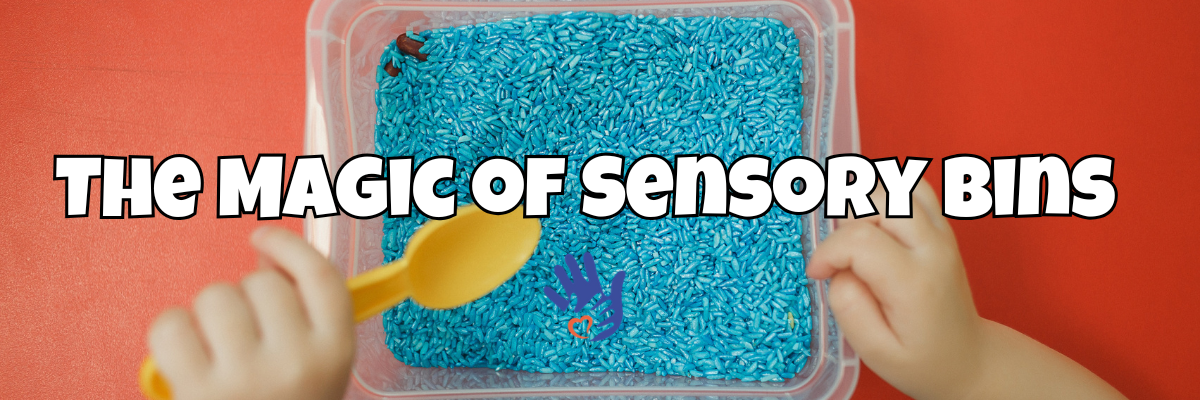

 

The Magic of Sensory Bins

Unleashing Creativity and Play: The Magic of Sensory Bins in Occupational Therapy

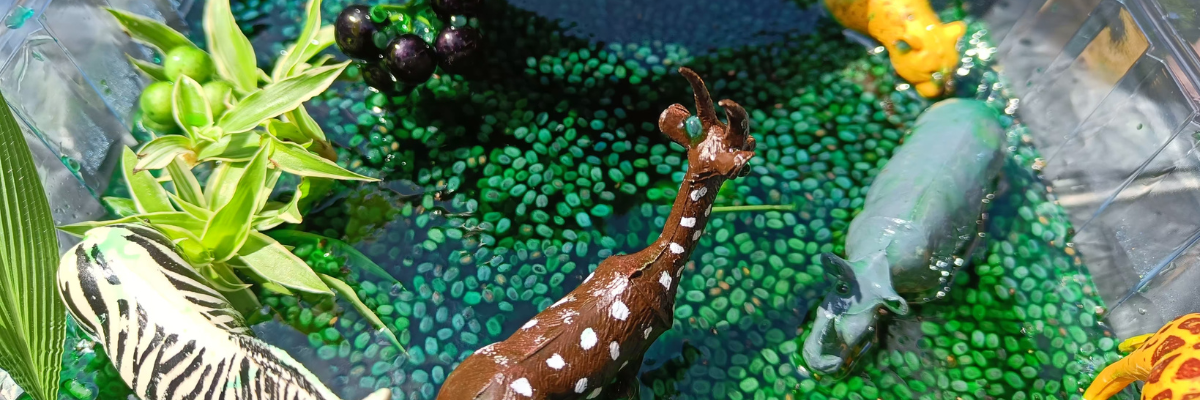
In the world of occupational therapy, sensory bins are a beloved tool used to foster creativity, play, and learning. Sensory bins are simple setups; however, they provide children with hands-on experiences to stimulate their senses, all while encouraging play. 


What is a Sensory Bin?

A sensory bin is a container filled with materials to offer diverse sensory experiences. Sensory bins can be as simple as a box filled with rice or as elaborate as a themed setup with various textures and materials. The goal of creating a sensory bin is to include items for children to explore through touch, sight, sound, and sometimes even smell or taste. 


Benefits of Sensory Bins

  1. Stimulating the Senses—Sensory bins can engage children’s senses through various materials. They can offer unique tactile experiences through different textures like beans, rice, pasta, sand, or flour. 
  2. Supporting Cognitive Development—Sensory bins can be tailored to support different learning objectives. For example, submerging alphabet letters or numbers in the bin can help children practice letter and number recognition, enhancing their skills. Sensory bins can also early literacy be a fun way to integrate learning and sensory development. 
  3. Providing opportunities for Creativity – When tailored to a specific theme, sensory bins allow creativity and imaginative play. Sensory bins are naturally open-ended, allowing the use of materials within the bin in various ways for play. 
  4. Enhancing Fine Motor Skills—Sensory bins can include various tools to encourage fine motor skill development. Items such as spoons, tweezers, and tongs allow children to develop hand strength, bilateral coordination, and hand-eye coordination. 
  5. Increasing Emotional Regulation – Sensory play is naturally calming and therapeutic, especially with sensory bins. Children can improve sustained attention and better manage their emotions with repetitive scooping, pouring, and sorting motions. Sensory bins provide a place for self-regulation and relaxation. 
  6. Fostering Social Skills – When used in a group setting, sensory bins can promote social interaction and cooperation. Learning to share materials, engage in imaginative play, and play in shared spaces are all benefits of sensory bins. 


Creating Your Own Sensory Bin

  1. Select Materials – The possibilities are ENDLESS. Common materials used in sensory bins include rice, beans, sand, and pasta. Other items could include plastic animal figurines, building blocks, or pom poms. These items can be cost effective and are often found around your home already. It is important to ensure that materials are safe and age appropriate for the age group. 
  2. Incorporating Tools – Add spoons, tongs, containers, tweezers, and other tools to enhance the play experience. 
  3. Set Up the Bin – Arrange the materials within a container. If desired, include other elements such as themed toys, letters/numbers, or activity cards. Make sure the bin is large enough for the children to explore comfortably. 
  4. Optional – Starting with a Theme – Start with a theme that interests your child and can support the current learning objectives. Themes can range from seasons to holidays to your child’s favorite show. 


How Can Carolina Therapy Connection Help?

Here at Carolina Therapy Connection, our Occupational Therapist often incorporates sensory bins into your child’s treatment sessions when appropriate. We are constantly switching out our bins with new sensory experiences for our clients. Consult with your child’s Occupational Therapist for more ideas and information about ways to include sensory bins into your child’s play routine at home. 

Sensory bins are more than just a fun play activity. They are powerful tools to support your child’s sensory development, fine motor skills, emotional regulation, social skills, and creativity. Incorporating sensory bins into your child’s play routine can help create enriching experiences! So, gather your materials, embrace the mess, and embark on a sensory adventure with your child that is both joyful and educational. 


Exciting News: Pediatric Physical Therapy Now Offered at Our Goldsboro Clinic!

Pediatric Physical Therapy Now Available at Our Goldsboro Clinic

Carolina Therapy Connection is excited to bring Pediatric Physical Therapy to our Goldsboro clinic! This new addition allows families in the area to access specialized care designed to support the development of age-appropriate gross motor skills and recovery from injuries. Our dedicated physical therapist works with children of all ages, offering personalized care to help them reach their fullest potential. Pediatric Physical Therapy is essential for addressing physical challenges that can impact a child’s ability to move, play, and participate in everyday activities. From infants with developmental delays to older children with sports injuries, our services cater to a variety of needs, including torticollis, movement disorders, orthopedic conditions, genetic or neurological disorders, muscle imbalances, and poor coordination or motor planning.

How Can Physical Therapy Work with Infants and Younger Children?

For younger children, including infants and toddlers, physical therapy focuses on developmental milestones and early intervention. If your baby is not sitting, crawling, or walking on time or has been diagnosed with torticollis, physical therapy can provide targeted exercises to encourage proper muscle development and movement patterns. Additionally, we help children with developmental delays by enhancing their strength, balance, and coordination, ensuring they can actively explore their environment. Early intervention is critical in promoting physical and cognitive development during these formative years.

How Does Physical Therapy Benefit Older Children?

For older children, physical therapy supports recovery from sports-related injuries, orthopedic conditions, and other physical challenges. Our therapist works with young athletes to safely return them to play, stronger and more resilient than before. Therapy also addresses poor coordination and motor planning, helping children improve their ability to perform daily tasks and engage in activities they love. Children with genetic, brain, spine, or nerve disorders benefit from customized plans that focus on their unique needs, promoting functional mobility and independence. Whether it’s addressing muscle imbalances, recovering from an injury, or improving overall movement, we provide compassionate care to help older children thrive.

How Can Carolina Therapy Connection Help?

At Carolina Therapy Connection, we’re committed to helping every child succeed. Our Pediatric Physical Therapist is now seeing patients at our Goldsboro clinic and has immediate openings available. With no long waitlists, families can access care quickly and begin their child’s journey toward improved strength, mobility, and confidence. Contact us today to learn more or schedule an appointment—we’re here to help your child every step of the way!

Meet Anna, our Pediatric Physical Therapist in Goldsboro!

Anna is a licensed physical therapist who has experience working with kids of all ages. She believes in using play during therapy to help keep children engaged while working to meet their functional goals. Anna received her Doctorate in Physical Therapy from East Carolina University in the spring of 2024 and obtained her license shortly afterward. 

She offers a child-led approach to therapy, where she allows clients to play freely while simultaneously making the activities therapeutic to promote participation, build confidence, and address their deficits in order to make progress toward their therapy goals. She offers in-person sessions and is committed to helping clients and equipping their parents with the tools they need, so their child can advance their skills both in the home and during therapy sessions. 

For more information or to make an appointment, visit our website or call our office. We look forward to helping your child meet their gross motor milestones and improve their ability to interact with the world around them!


Top Toys for Christmas 2024: Gift Ideas that Spark Joy and Learning!

Get ready for a holiday season filled with joy and excitement! 

Christmas is just around the corner, and that means it’s time to start thinking about the perfect toys for the little ones in your life. Toys aren’t just about fun; they’re a gateway to imagination, creativity, and developing skills. Toys play a powerful role in child development by enhancing a wide range of skills in fun and engaging ways. 

Cognitive Development Toys: Best Picks for Christmas that Boost Brainpower

Puzzles, building blocks, and educational games help kids practice problem-solving, spatial awareness, and logical thinking. Toys that encourage sorting, matching, or memory exercises also boost cognitive abilities.


Toys for Fine and Gross Motor Skills: Top Christmas Gifts for Active Play

Toys that involve grasping, stacking, and balancing—like blocks, action figures, and ride-ons—help improve fine and gross motor skills. These activities strengthen muscle control, coordination, and agility.


Best Social and Emotional Development Toys for Christmas 2024

Toys that encourage sharing, turn-taking, or role-play—such as dolls, board games, and pretend-play sets—allow kids to practice empathy, teamwork, and communication. These experiences are essential for social and emotional development.


Toys to Foster Language and Communication Skills This Christmas

Reading toys, storytelling sets, and interactive games with audio components help expand vocabulary and encourage communication. Toys that prompt children to describe, ask questions, or follow instructions further support language development.


Top Toys for Creativity and Imagination: Christmas Gifts for Young Innovators

Open-ended toys, like art supplies, dress-up costumes, and pretend-play sets, allow kids to explore their imaginations freely. This fosters creativity, self-expression, and cognitive flexibility, all of which are essential for innovative thinking.


Emotional Development Toys: Christmas Ideas for Nurturing Empathy and Self-Expression

Through imaginative play, children process emotions, practice self-regulation, and learn to empathize with others. Toys that mimic real-life scenarios, such as dolls or play kitchens, provide a safe space for emotional expression and exploration.


Your Ultimate Guide to the Best Christmas Toys for Every Age and Interest

Bring joy to your holiday season with toys kids will love! From educational building sets to group game boards and sensory fidgets, our toy recommendation has something special for every age and interest. 


How Can Carolina Therapy Help?

At Carolina Therapy, we’re here to make your holiday shopping easier with an amazing list of toys and games recommended by our experienced therapists. Our team has carefully curated options for all ages, designed to support development, encourage creativity, and bring endless joy to playtime. Check out our Amazon storefront to find the best toys for this Christmas season—each chosen to help children grow, learn, and thrive!


What’s in Your Sensory Bins!

What is a Sensory Bin?

A sensory bin contains various mediums to provide sensory input via tactile, auditory, and visual stimuli. As an Occupational Therapy Assistant, I treat kiddos who are defensive to sensory input. This can affect feeding, tolerating clothing, tolerating self-care like hair brushing or tooth brushing, and the various textures or sensory inputs we encounter daily. A sensory bin can provide the necessary sensory input to improve attention to tasks, decrease tactile defensiveness, improve tolerance for self-care, improve emotional regulation skills, improve communication skills, and assist with the development of social skills. 

Choosing the Right Container: 

A plastic clear container is ideal because you can see what’s inside and is easy to clean when you are ready to switch out your mediums. You can also use baskets, trays, bowls, etc.

Filling Options: 

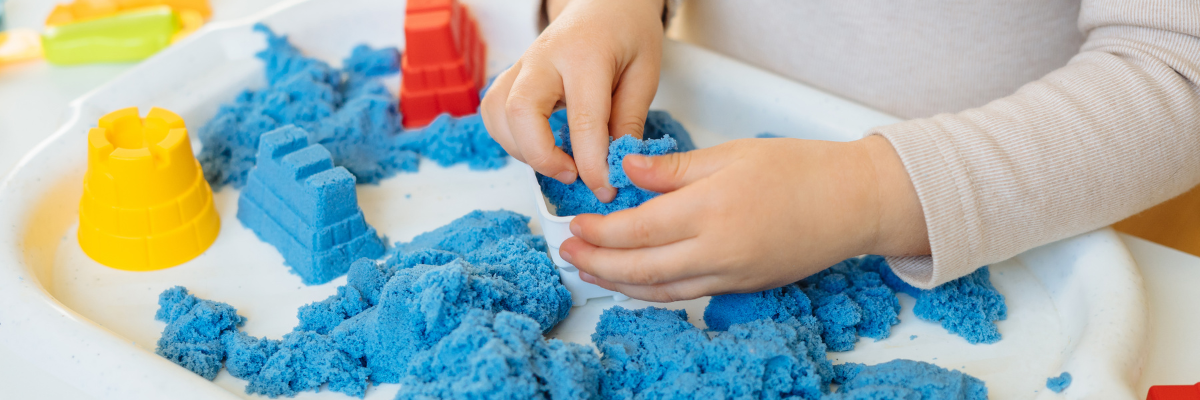
  • Base materials: Rice, sand, kinetic sand, dried beans, shredded paper. You can also use edible items such as crushed crackers/cookies, noodles, quinoa, etc, for kiddos who put things in their mouths regularly.
  • Textures: Soft fabric, smooth stones, fluffy cotton balls, feathers, ribbons, or squishy foam. 
  • Colors: Use colored rice or dyed pasta for visual stimulation. Themed Sensory Boxes: 
  • Themes like nature, ocean, outer space, Easter/Spring, or seasons can give great ideas when unsure what to put together. 
    • For example, an ocean theme could include crushed crackers for sand, blue jello for water, and sea animal toys. 
    • Another example is a nature theme, including various leaves, sticks, rocks/stones, animal or insect toys, dirt or crushed Oreos, and gummy worms!
    • Just one more example: Spring could include wildflowers (real or pretend), toy birds/chicks, chickpeas, cotton balls, feathers, etc. 

Incorporating Scents: 

  • Explore scented elements to enhance the sensory experience.
  • Consider items like scented playdough, essential oils, food items, or dried herbs. 

Incorporating Tastes: 

  • If you have a kiddo who is working on trialing new foods/food textures, you can make your sensory bin ALL FOOD items! This allows your child to work on expanding their food repertoire while decreasing the fear associated with trying new foods at mealtimes. 

Sensory Box Safety Tips: 

  • Consider age-appropriate items and avoid small parts that could be a choking hazard. 
  • Remember, when using food/wet items, to change them out regularly to prevent mold/mildew buildup. 
  • AVOID ORBEEZ, please! They are not safe and could cause damage to the internal organs if consumed! 

Have Your Child Assist: 

  • Having your child assist with making the sensory box can be a great way to build communication skills, improve the development of social skills, and decrease fear regarding textures. 
  • Oftentimes, children who are defensive to textures can become very upset or fearful when presented with a new medium. However, if the child can see where the medium comes from, it could decrease the fear significantly! This is also a good opportunity to have your child touch different textures! 

How can Carolina Therapy Connection help? 

  • Ask your child’s therapist about sensory bin ideas used here in the clinic.
  •  Pinterest has great ideas as well!

By: Shelby Godwin, COTA

Exciting News! Carolina Therapy Connection Brings Pediatric Therapy and Mental Health Services to Morehead City

Exciting News: Carolina Therapy Connection Opens New Clinic in Morehead City!

We are thrilled to announce that Carolina Therapy Connection has opened a new clinic in the heart of Carteret County! Located at 4251 Arendell St., Suite E, in Morehead City, this brand-new facility offers a variety of services to meet the needs of both children and adults.

Services We Provide in Morehead City:

At our Morehead City location, we are proud to offer the following services:

We are excited to bring our high-quality therapy services to the Carteret County community and are committed to providing compassionate care for children, adolescents, and adults.

Now Offering Extended Hours for Mental Wellness in Morehead City

We understand how busy life can be, which is why we are now offering extended hours and Saturday appointments for those who need more flexibility. Whether you’re looking for afterschool therapy sessions for your child or evening counseling for yourself, we have immediate openings available to fit your schedule.

Morehead City Clinic Features:

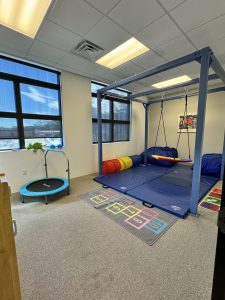
Our Morehead City clinic is equipped with state-of-the-art therapy spaces, including:


  • Private treatment rooms for occupational, physical, and speech therapy.


  • A fully equipped kitchen area for feeding therapy sessions to help children with eating challenges.

  • Private counseling rooms for mental health sessions, ensuring a comfortable and confidential environment for all ages.


Get Started with Carolina Therapy Connection Today!

We are thrilled to be part of the Carteret County community and to offer a welcoming space where families can feel supported on their therapeutic journey. If you’re looking for therapy services in the Morehead City area, we’re here to help!

To schedule an appointment or learn more about our services, contact us today. We’re excited to be part of your community and look forward to serving you!

Best Toys for Kids with Autism as Recommended by Therapists

Sensory Friendly Toys that Don’t Involve Electronics

Welcome to our exploration of the beautiful world of toys uniquely crafted for children with autism. Selecting toys for kids with autism involves a delicate dance between understanding sensory needs, promoting skill development, and, most importantly, ensuring hours of joy and engagement. In this blog, we’ll delve into a curated list of favorite toys that cater to the diverse interests and preferences of children with autism.


Sensory Toys: A Symphony of Textures and Colors:


Cause-and-Effect Wonders:


Educational Gems:

  • Puzzles: Offering a mix of challenge and satisfaction, puzzles contribute to cognitive development and problem-solving skills.
  • Building Blocks: The timeless joy of building and creating, these blocks encourage imaginative play and enhance fine motor skills.


Calming Oasis:

  • Weighted Blankets: Not exactly a toy, but a soothing addition to any space, providing comfort and a sense of security.


Communication and Social Play:


  • Board Games: Structured play with clear rules, board games provide a fun way to learn social interaction and turn-taking.


Outdoor Adventures:


Artistic Expression:

  • Playdough Fun: The joy of squishing, molding, and creating with playdough offers a satisfying tactile experience.
  • Markers and Crayons: Encouraging creativity, drawing, and coloring provide an expressive outlet for children with autism.


Choosing toys for kids with autism is a personalized journey that requires attention to individual preferences and needs. The toys mentioned above are just a glimpse into the vast array of options available, each offering a unique way to engage, inspire, and bring joy to children on the autism spectrum. As you embark on this exploration, remember to observe, communicate, and, most importantly, have fun discovering the perfect toys for your child’s unique world.  Check out our specially curated Amazon Storefront for more toy suggestions!


Why Is My Child Picky About Clothing?

Is your child picky about clothing? It is common for children to have a favorite shirt, blanket, or pants, but what if they refuse to wear anything besides their one outfit of choice? In the pediatric world of occupational therapy, we often work with children who cannot tolerate wearing various clothing items. We have seen the stress of dressing tasks for children and their caregivers. The intended purpose of this blog is to educate parents on why a child may be sensitive to clothing and point caregivers in the right direction to address these concerns.

Why is My Child Picky About Their Clothing?

Every child processes sensory information differently. Children who demonstrate intolerance to various clothing textures may often have sensory sensitivities to tactile (touch) information, also known as tactile defensiveness. This indicates that the neurons responsible for processing tactile information have lower neurological thresholds, meaning more sensory information reaches their brain quicker, which can cause children to become overwhelmed by the stimulus. This results in heightened responses (ex., Crying, screaming, itching) when a child is prompted to wear clothing that feels uncomfortable to them. Another underlying reason for tactile sensitivities can be connected to retained primitive reflexes. Retained primitive reflexes often contribute to a child’s hypersensitivity to general sensory information and can make clothing items with tags or tight waistbands challenging to wear. 

When Should I Be Concerned About My Child’s Intolerance for Clothing?

It can be hard to discern when a child’s intolerance to clothing is a behavioral or sensory concern. A child who doesn’t “like” to wear a particular clothing item or texture is very different from a child who physically cannot tolerate certain textures. True sensory concerns will present with consistent behaviors across settings. For example, a child with true tactile defensiveness will have difficulty wearing a non-preferred clothing item at home or daycare. Additionally, consulting a professional is not customarily warranted if their limited clothing items do not impact a child’s performance and participation in meaningful activities. However, if a child’s clothing sensitivities are impacting their meaningful activities, then it may be beneficial to talk with a pediatric occupational therapist to determine what options or strategies are appropriate. An example could be a child who wants to play soccer but cannot tolerate wearing soccer cleats or sneakers and, therefore, refuses to play. Another example would be a child or adolescent who refuses to wear clothing to match the temperature outside, such as refusing to wear gloves or mittens in the middle of winter.

Strategies to Expand A Child’s Wardrobe

  • Keep a diary/log:
    • Children will normally demonstrate a pattern of behaviors to show caregivers what types of clothing are uncomfortable. It will be essential to keep a log of what items/fabrics are preferred to limit the child’s discomfort when presented with new clothing items to try on. 
  • Present sensory-friendly clothing:
    • There are common characteristics of clothing that can be aversive to children with tactile defensiveness. For these reasons, we have provided a list of clothing items that are often more tolerable for sensory-sensitive children:
      • Clothing without seams
      • Clothing without tags
      • Loose fitting clothing
      • Soft/smooth fabric
      • Breathable clothing: avoid clothing that holds moisture
  • Invite them into the process:
    • Providing the child with autonomy in choosing their clothing will help remove feelings of stress that surround dressing activities. One way to do this is to take them shopping and ask them what clothing they want. Depending on the child’s comfort level, it can also be beneficial to have them choose a variety of clothing to try on and have a “fashion show” in the dressing room.


What Other Concerns Can arise with Children Being Picky About Clothing, and How Can Carolina Therapy Connection Help?

Tactile defensiveness does not only impact a child’s ability to tolerate various clothing items. Typical areas of difficulty for tactilely defensive children include, but are not limited to, difficulty with hair brushing/washing, hair cuts, tooth brushing, nail clipping, and bathing. If your child has difficulty tolerating any of the above activities, then it may be beneficial to meet with a pediatric occupational therapist to discuss the best care plan for the child. Call our clinic at (252) 341-9944! Your child may benefit from an occupational therapy screening or formal evaluation!


By: Emily Britt


Spring Activities For All Ages!

Join us as we welcome spring!

As the world outside bursts into color and warmth, it’s the perfect time to dive into some fun activities that celebrate the season. We’ve put together a bunch of excellent OT spring activities for all ages that you can do that are fun and help you learn and grow.

From making yummy flower-shaped snacks to crafting bird feeders and sensory bottles, there’s something for everyone to enjoy. Whether you’re a parent looking for fun OT activities with your kids at home or a teacher searching for exciting activities, you’ve come to the right place!

Join us as we explore the wonders of spring through activities that work on our fine motor skills and try new foods! Let’s make this season even more remarkable by having a blast with these therapeutic activities.

Spring Activities: Flower Snacks: 

This fun and creative activity works on fine motor skills, food play, and meal preparation skills. It is also a great way to introduce healthy snacks into your child’s diet. 

  • Beet slices flower snack– Use a flower-shaped cookie cutter to cut beet slices (or other soft fruit/veggies: pineapple, apples, thin potatoes…)
  • Mandarin orange flower– Peel an orange and open one end.  Add celery for a stem.
  • Orange with flair–  Add a grape tomato to the center of your orange to add a little color.  Other fruits could also be arranged into a flower shape: apple, pear, and banana slices would work.
  • Dried cranberry mini flowers– Arrange cranberries (or raisins) into petal shapes.  Add chickpeas for a center to each flower.
  • Tulip cucumbers– Cut a jagged line into cucumber slices.  Add a piece of the peel for stems for each flower.
  • Flower art–  Get the kids involved in this one!  Provide carrots, broccoli, red peppers, and grape tomatoes, and create a flower design as a family.  Enjoy!

Paint With Flowers: 

This is an easy and cheap activity to complete at home that only requires paint, paper or plate, and flowers. Use the flower as a brush and press it into the paint, then paint away!

Oral Motor Exercise With Plastic Easter Eggs: 

This is a fun activity to incorporate into your routine before feeding. Adding oral motor exercises provides sensory input and “wakes up” the muscles of the mouth. Give your child a straw and ask them to blow into the straw to push easter eggs toward a target. 

Spring Animal Walks: 

This is a fun gross motor activity that can be done in the home or outside. Have your child bunny hop, bear walk, frog jump, and snake slither from one side to the other. You can even have an animal race to see who gets to the finish line first!

Homemade Bird Feeders: 

This is a great activity to improve executive functioning skills and bilateral coordination skills. You will need toilet paper rolls, peanut butter, birdseed, and spreading tools. Spread the peanut butter on the toilet paper, roll it in the birdseed, and hang it up outside!

Spring Themed Sensory Bottle: 

Sensory bottles can provide a calming sensory experience to children by focusing on the different moving objects inside. All you need is 4 ounces of clear glue, warm water, hot glue (to seal the lid), a bottle, and any desired spring-themed objects to put inside (glitter, small toy animals, flowers, etc.). 


Winter Activities for All Ages! 

What are Some Winter Activities When the Weather is too Cold Outside?

Ever wonder what you can do to keep your Kiddo occupied and safe while providing the necessary sensory input when it’s too cold to play outside? It is recommended to take indoor breaks every 20-30 minutes when the temperature outside is between 13-30 degrees; however, some kiddos tolerate cold weather better than others. Here are some tips for activities that can be done indoors when it’s just too cold to go outside this winter!

A Fun Winter Activity: Play Board Games

This is dependent on your child’s age and skill set. If you have some board games tucked in the closet, break them out and have family fun! This will work on building your child’s reciprocal play skills, following multistep direction skills, coping skills, and emotional regulation. Check out our Amazon storefront for some of our recommended board games! 

Build a Pillow/Blanket Fort

Who didn’t love making a fort under the kitchen table as a kid? Build a fort in the kitchen and living room, then place some of their favorite books, toys, and stuffed animals inside. This can be a fun way to get your kids into critical thinking mode and build their visual perceptual and motor skills! 

Scavenger Hunt

Another fun winter activity is to hide some items in your house and have your kiddos find them! This can be graded according to skill level and age. For example, for a younger kiddo, have them locate items they would typically use. For older kiddos, give hints to the item they are looking for. “Find two things mom uses to stir within the kitchen (utensils)” or “Find something round and blue in your bedroom (ball).” This will work on their figure ground skills and get their body moving!

Bake/Cook

Have your kiddos help you bake/cook your favorite snack or dessert in the kitchen. Have your kiddos follow the directions given or help with the messy tasks. This can be great for our sensory-seeking kiddos and those resistant to messy play!

Dance Off!

GET MOVING with a fun dance-off! Put off some of your favorite music and have a contest to see who dances best to the song! This is a great way to work on gross motor skills, coordination, and auditory processing, and it’s just plain fun!

Watch your Favorite Movie and Act Out the Scenes.

Many kids like to watch movies; however, do you ever notice that they get bored halfway through and are on to the next thing? Get them involved with the movie. Have that pause button ready and have them act out a scene to see if they can recall what happened! 

Indoor “Snowball” Fight

Do you have some extra tissue paper lying around after wrapping those Christmas presents? Make snowballs and toss them at each other! This is a great way to get kiddos moving without fear of knocking things off tables/counters and breaking things! 

Keepie-uppie with Balloons

Everyone knows this one! Can we keep the balloon off of the ground? Try it! It is so much fun, works on your kiddo’s hand-eye coordination, and has less risk of damaging something in your home!

How can Carolina Therapy Help?

With winter in full swing, ask your therapist about tips/tricks to have fun indoors with adaptations specifically for your child’s sensory-related needs. A therapist at Carolina Therapy Connection can help adapt the activities listed above and give more ideas for your specific child! Also, check out our link for Amazon storefront to find fun toys/activities to make the indoors fun! Many great toy ideas and sensory-related tools can be used when your child needs to get some energy out!

I hope these tips have helped build some fun ideas for you and your family for this winter season! Stay happy, healthy, and warm!

By: Shelby Godwin, COTA/L, AC