




Contact Us Make a payment Check In

Why Decorating Christmas Cookies Is the BEST Fine Motor OT Activity (Backed by Occupational Therapists!)

Written by: Qiana Jones, COTA/L | Carolina Therapy Connection

Looking for a fun, seasonal way to build your child’s fine motor skills at home?
Grab the frosting and sprinkles — because decorating Christmas cookies is secretly one of the BEST OT-approved activities for little hands! 🙌✨

Not only is it festive and motivating, but it naturally targets so many foundational developmental skills. The best part? Kids don’t even realize they’re working… they’re simply having fun.

Here’s why this sweet holiday activity delivers BIG benefits for growing bodies and brains.  (Everything below comes straight from OT principles and developmental milestones!)


1. Builds Hand Strength

Squeezing icing tubes, pressing cookie cutters, rolling dough, and adding toppings all strengthen the small hand muscles needed for:

  • handwriting
  • buttoning
  • opening containers
  • gripping utensils

Your child is building functional strength while creating something delicious.

2. Improves Precision & Hand–Eye Coordination

Decorating requires focus and careful control.
Each drizzle of icing, each sprinkle placed, and each shape traced helps support:

  • refined finger movements
  • controlled wrist motion
  • improved accuracy
  • visual–motor integration

It’s the perfect blend of art + therapy.

3. Boosts Bilateral Coordination

Kids must use both hands together — one to hold the cookie and the other to decorate.
This strengthens the ability to coordinate both sides of the body, a huge skill for:

  • cutting with scissors
  • tying shoes
  • coloring
  • zipping and buttoning

Cookie decorating is bilateral coordination at its best!

4. Supports Emotional Regulation

The smells, textures, predictable steps, and creativity make this activity naturally calming.
It helps children:

  • improve focus
  • follow multi-step directions
  • stay regulated
  • enjoy a sensory-rich, positive experience

Holiday baking becomes a beautiful opportunity for connection and emotional growth.

5. Strengthens Visual–Motor & Pre-Writing Skills

Decorating shapes like:

  • lines
  • circles
  • zigzags
  • dots
  • curves

…mirrors the very strokes children need for handwriting.  It’s literally pre-writing without the paper.

6. Builds Independence & Confidence

Kids love seeing their designs come to life — and that feeling of success matters.

Cookie decorating supports:

  • task initiation
  • sequencing
  • independence
  • pride in creative work

Nothing lights up a child’s face quite like showing off their decorated cookie.

7. Bonus: Sensory Play That Kids Actually Enjoy

Cookie decorating offers sensory input that is:

  • sticky
  • crunchy
  • warm
  • colorful
  • tactile
  • olfactory-rich

It’s one of the rare activities where sensory exploration feels safe and exciting for even the most hesitant kiddos.

8. Encourages Kids Into the Kitchen (Huge for Picky Eaters!)

Getting kids involved in cookie decorating brings them into the kitchen in a fun, low-pressure way — which is BIG for supporting picky eaters. When children explore food through touching, smelling, mixing, and decorating, they build positive sensory experiences around new textures and smells.

This kind of gentle exposure helps reduce anxiety around food, boosts confidence, and opens the door for trying new things over time. Cooking together is one of the BEST ways to build comfort, curiosity, and connection around eating — all while creating sweet holiday memories.

Here’s what we think…

So, next time you bake with your child, remember — you’re not just making cookies.
You’re building fine motor skills, sensory awareness, visual–motor skills, emotional regulation, independence, and confidence… one sprinkle at a time. 💛✨

Our therapists also created this as a printable handout you can use at home or share with family and friends:

Download the Cookie OT Activity Here!

Bonus: Easy Sugar Cookie Recipe

Want to try this at home? Here’s a simple, parent-friendly recipe included in the PDF:

Ingredients:

  • 1 cup unsalted butter, softened
  • 1 cup sugar
  • 1 egg
  • 1 teaspoon vanilla
  • ½ teaspoon salt
  • 2 ½ cups sifted flour

Directions:
Cream together butter and sugar. Beat in the egg.
Add remaining ingredients and mix until well-blended.
Chill dough 3–4 hours. Preheat oven to 350°F.
Roll out dough on a lightly floured counter to ¼” thick.
Cut with cookie cutters.
Bake on parchment-lined sheets for 8–10 minutes or until lightly colored.
Let cool + decorate with icing.
Makes 16–24 cookies.

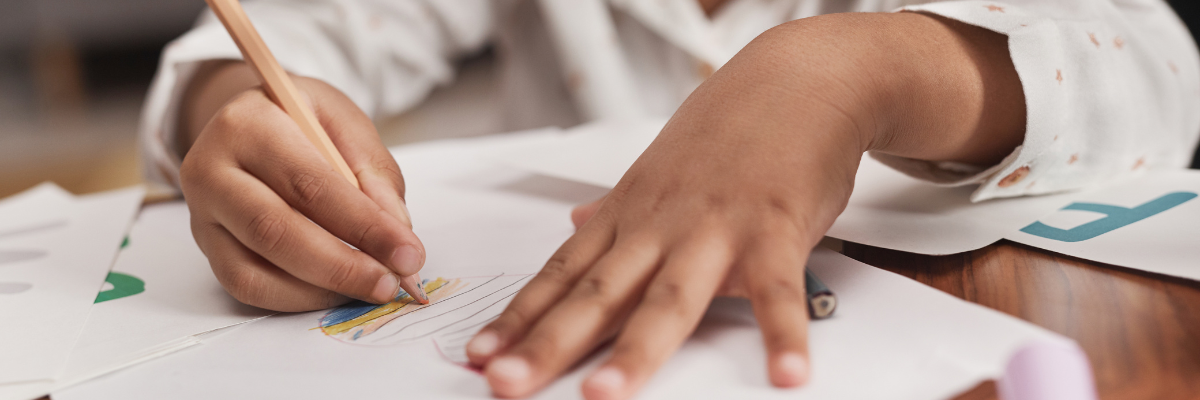
How Occupational Therapy Supports School Readiness Skills for Children

School Readiness Skills and How Occupational Therapy Can Help

As your child prepares to enter school, it’s important to ensure they have developed key skills that will set them up for success in the classroom. While most people think of academic skills first, school readiness encompasses much more. It involves a combination of physical, social, emotional, and cognitive skills that enable children to interact with their environment, communicate with others, and perform tasks independently. Occupational Therapy plays a critical role in helping children develop these skills, ensuring they are ready to thrive in the school environment.

What Are School Readiness Skills?

School readiness skills are the foundation children need to succeed in school and beyond. These skills can range in areas, including:

  1. Motor Skills: Physical abilities needed for tasks like holding a pencil, cutting with scissors, and using a computer.
  2. Cognitive Skills: Problem-solving, memory, attention, and following multi step instructions.
  3. Self-regulation: The ability to control emotions, focus attention, and manage impulses.
  4. Social Skills: Communication, cooperation, and forming friendships with peers.
  5. Independence: Being able to complete tasks like dressing, feeding, and using the bathroom independently.

While children often develop many of these skills through everyday experiences and play, sometimes we may need more support in certain areas. This is where occupational therapy can HELP!

How Occupational Therapy Supports School Readiness Skills

Occupational therapy focuses on helping children develop the skills needed to function independently and participate in daily activities. For school readiness, an OT can address a variety of skills, ranging from fine motor skills to emotional regulation.

1. Fine Motor Skills:

Fine motor skills are essential for performing tasks like writing, cutting with scissors, and manipulating small objects. These skills involve the small muscles in the hands, fingers, and wrists.

How OT helps:

  • Handwriting: Occupational therapists can work on grip strength, pencil control, grasp, and letter formation.
  • Cutting: Through activities that strengthen hand muscles, incorporate bilateral hand use, and improve coordination, OTs can help children use scissors effectively.
  • Manipulating Objects: Simple activities, such as stacking blocks, buttoning shirts, or zipping jackets, can be incorporated into therapy to improve finger dexterity.

2. Sensory Processing:

Children who have difficulty processing sensory information (sounds, lights, textures, smells) may find it challenging to focus in a busy classroom environment.

How OT helps:

  • Sensory Integration: Through specialized activities, an OT can help children learn to cope with sensory overload or under-sensitivity. For example, children might engage in tactile play, use fidget toys, or participate in calming sensory breaks.
  • Self-regulation: OT teaches strategies like deep breathing, stretching, and muscle relaxation to help children manage their responses to stress or overstimulation.

4. Social and Communication Skills:

School readiness isn’t just about physical skills—it’s also about being able to communicate, share, and work with others. Children must learn to understand social cues, follow directions, and engage with their peers.

How OT helps:

  • Social Interaction: Occupational therapists use role-playing, peer play,  and social stories to help children practice sharing, taking turns, and understanding facial expressions.
  • Cooperative Play: Children can engage in group activities that promote teamwork, turn-taking, and appropriate communication.
  • Following Instructions: Through structured activities, OTs can help children develop the ability to listen, understand, and follow multi-step instructions.

5. Self-Care Skills:

One often-overlooked area of school readiness is the ability to perform daily tasks independently, such as dressing, eating, and toileting.

How OT helps:

  • Dressing: Occupational therapists can break down the steps needed to put on and take off clothes, teaching children how to button, zip, or tie shoes.
  • Feeding: They can work with children to develop the skills necessary for using utensils, managing snacks, and opening lunchboxes.
  • Toileting: OT helps children develop the independence to use the bathroom and practice hygiene routines like handwashing.

6. Attention and Focus:

A critical skill for school success is the ability to focus and pay attention during class activities.

How OT helps:

  • Improved Focus: OTs use games and activities that challenge attention, helping children learn to stay on task for longer periods.
  • Task Completion: Children learn how to break down tasks into manageable steps and practice following through until the task is completed.
  • Transitioning Between Activities: OTs help children practice switching from one activity to another smoothly, such as moving from recess to classroom work.

How to Get Started with Occupational Therapy for School Readiness

School readiness is more than just knowing the alphabet or counting to ten—it’s about developing the physical, social, emotional, and cognitive skills that will help children thrive in a classroom environment. Occupational therapy can support children in developing the motor skills, self-regulation, social abilities, and independence they need to succeed. If you’re concerned about your child’s readiness for school, working with an OT can provide valuable support and make the transition smoother.

If you’re concerned about your child’s school readiness skills, occupational therapy might be the solution. Call us today at 252-341-9944 to get started.

Shocking Truth: Why Kids Can’t Hold Pencils Anymore!

Fine motor skills are getting worse in kids today. More and more children struggle to hold pencils, use scissors, or even tie their shoes. According to a recent report from Art-K, 77% of teachers say that fine motor skills are harder for students now than just a few years ago. So, what’s causing this decline? And more importantly, what can parents do to help?

Carolina Therapy Connection specializes in helping children in Greenville, New Bern, Morehead City, and Goldsboro, NC, develop the skills they need to succeed. Our occupational therapy (OT) services focus on fine motor development, handwriting, coordination, and self-care skills to give kids confidence and independence.

Why Are Kids Losing Fine Motor Skills?

Experts point to several key reasons why fine motor skills are declining:

1. Too Much Screen Time

Instead of playing with toys, coloring, or building with blocks, many children spend hours swiping and tapping on screens. This doesn’t give their hands the same strength-building practice as traditional play.

2. Less Hands-On Learning

Many children aren’t getting enough time to practice holding crayons, cutting with scissors, or playing with small objects. Fewer opportunities for these activities can make school tasks much harder.

3. Not Enough Outdoor Play

Running, climbing, digging, and playing outside help strengthen a child’s hands and improve coordination. But many kids today spend less time outdoors, limiting natural muscle development.

4. Clothing and Snack Changes

Modern clothing and food packaging have made life easier but have also reduced everyday fine motor practice. Elastic waistbands replace buttons and zippers, Velcro shoes replace laces, and pre-packaged snacks mean kids don’t open containers or use utensils as much as before.

Simple Ways Parents Can Help at Home

The good news? You can help your child strengthen their fine motor skills with easy, fun activities at home! Here are simple, practical steps to get started:

1. Encourage Daily Fine Motor Play

Fine motor skills develop best through play. Try these activities:

  • Play-Doh and Clay – Let kids roll, pinch, and shape clay to build hand strength.
  • Puzzles and Bead Threading – These boost coordination and dexterity.
  • Lacing Cards or Sewing Projects – Great for developing control and finger strength.
  • Scissor Skills – Have kids cut paper, old magazines, or even straws for fun crafts.

2. Get Kids Involved in Everyday Tasks

Let your child help with activities that naturally build fine motor skills, such as:

  • Cooking Together – Stirring, pouring, kneading dough, and peeling fruit strengthen hands.
  • Self-Care Tasks – Encourage kids to button shirts, zip jackets, and tie shoelaces.
  • Household Chores – Folding laundry, wiping tables, and opening containers all help build fine motor strength.

3. Limit Screen Time and Increase Hands-On Activities

Try implementing screen-free times, especially before and after school. Instead, encourage activities like:

  • Drawing and Coloring – A fun way to develop pencil grip and hand control.
  • Playing with Blocks and LEGOs – Helps strengthen little fingers and improve problem-solving skills.
  • Outdoor Play – Let kids dig in the dirt, climb, and collect small objects like acorns or leaves.

4. Make Handwriting Practice Fun

If your child struggles with handwriting, avoid frustration by making it engaging and low-pressure:

  • Use a Sand or Rice Tray – Have kids practice letters by tracing them with their fingers.
  • Write on a Chalkboard or Whiteboard – This builds wrist and hand strength.
  • Try Special Handwriting Tools – Use thicker pencils, grips, or markers for better control.
  • Turn Writing into a Game – Write letters in shaving cream or use sidewalk chalk outside.
  • Use Fun Sensory Feedback– Using all of your senses increases learning. Think smell, sounds, and textures.

How Carolina Therapy Connection Can Help

At Carolina Therapy Connection, our occupational therapists use fun, play-based techniques to improve fine motor skills. We help kids in Greenville, New Bern, Morehead City, and Goldsboro, NC with:

  • Hand Strength Training – Using squeeze toys, tweezers, and resistance exercises.
  • Coordination Development – Working on scissor use, handwriting, and using both hands together.
  • Self-Care Skills – Teaching kids to tie shoes, button clothes, and use utensils confidently.
  • Handwriting Support – Helping kids develop a firm pencil grip and letter formation skills.

When Should You Seek Help?

If your child:

  • Struggles with holding a pencil or writing legibly
  • Has trouble using scissors or fastening buttons
  • Avoids activities that require hand coordination
  • Seems behind peers in self-care tasks

… they may benefit from occupational therapy.

Contact us today at Carolina Therapy Connection to learn how our team can help your child build stronger hands and gain confidence in everyday tasks!