



Contact Us Make a payment Check In

Unlocking Potential with NMES and TASES: Advanced Techniques for Pediatric Therapy

Enhancing Pediatric Therapy: Exploring NMES and TASES for Unlocking Potential

Neuromuscular Electrical Stimulation (NMES) and Task-Specific Electrical Stimulation (TASES) are groundbreaking therapeutic techniques that empower children with neurological or muscular impairments to achieve greater strength, function, and mobility. These evidence-based interventions utilize gentle electrical currents to activate muscles, promote sensory input, and encourage functional movement patterns. Here’s a closer look at these innovative therapies and how they can benefit children.

What Are NMES and TASES?

NMES involves the use of controlled electrical currents to stimulate specific muscle groups. This process helps activate muscles, improve strength, and enhance motor coordination, even in children with difficulty voluntarily engaging specific muscles due to underlying conditions.

TASES combines electrical stimulation with task-specific activities. This dual approach focuses on functional movements, like walking, standing, etc., enabling children to practice daily tasks while receiving stimulation that supports motor learning and muscle activation.

Benefits of NMES and TASES

Both therapies are highly adaptable and can be tailored to meet the unique needs of each child. Some of the key benefits include:

  1. Promoting Muscle Activation: Electrical stimulation helps activate muscles that may otherwise be difficult to engage, laying the foundation for improved strength and function.
  2. Enhancing Strength and Endurance: Regular use can lead to significant gains in muscle strength, making everyday activities more straightforward and less tiring for children.
  3. Improving Gait and Mobility: By promoting proper movement patterns and coordination, NMES and TASES can help children achieve a more natural gait and greater mobility independence.
  4. Encouraging Functional Movement Patterns: Task-specific stimulation helps reinforce the neural pathways necessary for daily tasks like grasping, walking, or balancing.
  5. Providing Sensory Input: Electrical stimulation also offers valuable sensory feedback, which can enhance motor learning and awareness.

Who Can Benefit from NMES and TASES?

Children with the following conditions often experience significant improvements with NMES and TASES:

  • Cerebral palsy
  • Brain and spinal cord injuries
  • Developmental delays
  • Neuromuscular disorders
  • Post-surgical recovery requiring targeted muscle activation

These therapies are frequently incorporated into comprehensive treatment plans, including physical, occupational, and speech therapy.

How NMES and TASES Work in Therapy

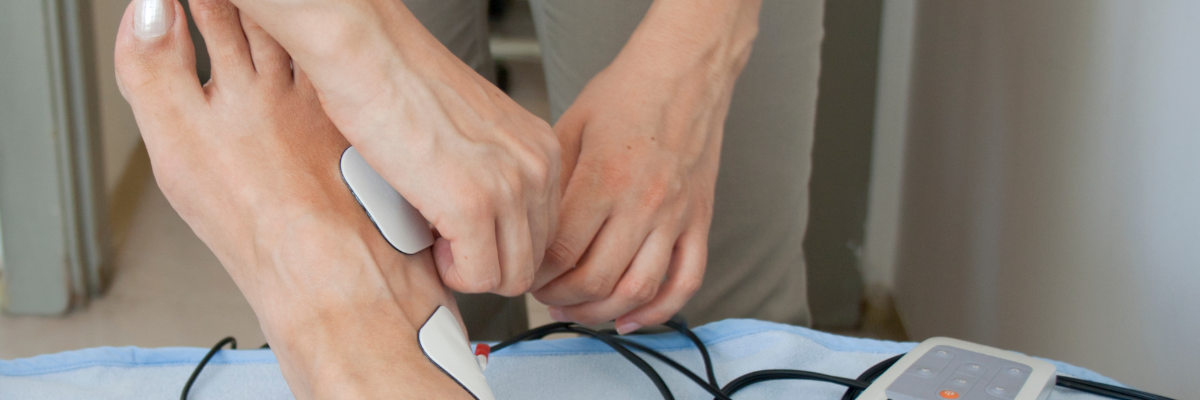
Small electrodes are placed on the skin over targeted muscle groups during therapy sessions. Gentle electrical currents are delivered through the electrodes, causing the muscles to contract. In TASES, this stimulation is integrated with functional tasks, such as reaching for an object or taking a step. A trained therapist typically guides sessions, ensuring safety, effectiveness, and alignment with the child’s goals.

How Carolina Therapy Connection Can Help

At Carolina Therapy Connection, we specialize in providing tailored therapies, including NMES and TASES, for children with unique needs. Our highly trained therapists work closely with families to develop personalized treatment plans that support motor skill development, independence, and confidence. If you’re interested in learning more about NMES and TASES and how we incorporate this approach into therapy, including intensives, please feel free to contact us to schedule an evaluation. You can also use this link to explore more about our pediatric intensive therapy services.

 

Astronaut Training

Astronaut Training: Boost Sensory Processing, Balance, and Coordination Through Fun Activities

Have you ever wondered how astronauts train to thrive in space? Well, it turns out that some of the movements they experience in space, like spinning, swinging, and flipping, can actually help children improve their sensory processing, balance, and body awareness!


What is Astronaut Training?

Astronaut Training is a specialized therapy designed to help children, especially those with sensory processing issues, balance challenges, or developmental delays, enhance their sensory integration. The program uses fun and exciting activities that simulate the sensations astronauts feel in space, such as swinging and rotating.

These activities focus on strengthening the vestibular system, which controls balance, coordination, and spatial awareness. As children engage in these exercises, their brain learns to process and respond to sensory input more effectively, leading to improved focus, body awareness, and overall coordination.

How Does Astronaut Training Help Kids?


  1. Sensory Processing: Many children, especially those with sensory processing disorder (SPD), find it challenging to understand and react to sensory input from their environment. Astronaut Training helps them process sensory information better by integrating sensory experiences through movements like spinning and rotational activities. This leads to smoother, more efficient responses to sensory stimuli in everyday life.
  2. Balance and Coordination: Balance and coordination are essential skills for physical development. The rotational movements and balance activities in Astronaut Training help children strengthen their muscles and improve their balance, which leads to better coordination in other areas of life, such as sports or simple tasks like walking or running.
  3. Body Awareness: Astronaut Training activities also focus on improving body awareness, or the ability to know where one’s body is in space. Through exercises that involve flipping, spinning, and swinging, children gain a better understanding of how their bodies move and function, enhancing their ability to control their movements and interact confidently with their environment.
  4. Focus and Emotional Regulation: This type of therapy is great for the body and the mind. Astronaut training’s structured yet playful nature helps children improve their focus and emotional regulation. They learn to control their impulses and better manage their emotions, especially in response to sensory challenges.


Who Can Benefit from Astronaut Training?

Astronaut Training is particularly helpful for children with conditions like ADHD, autism, sensory processing disorder (SPD), or motor coordination difficulties. It provides an effective, fun, and engaging way to work on skills that are often areas of concern for these children. By integrating sensory activities in a structured and enjoyable way, children can experience growth in their physical, cognitive, and emotional abilities.

How Carolina Therapy Connection Can Help

At Carolina Therapy Connection, we understand how important it is for children to receive the support they need in a fun and effective way. Our team of skilled therapists uses innovative approaches like Astronaut Training to help children improve sensory processing, balance, and coordination. We create a supportive environment through personalized therapy sessions where children can thrive and gain confidence in their physical and sensory abilities. If you’re interested in learning more about Astronaut Training and how we incorporate this approach into therapy, including intensives, please feel free to contact us to schedule an evaluation. You can also use this link to explore our pediatric intensive therapy services.