




Contact Us Make a payment Check In

Why Decorating Christmas Cookies Is the BEST Fine Motor OT Activity (Backed by Occupational Therapists!)

Written by: Qiana Jones, COTA/L | Carolina Therapy Connection

Looking for a fun, seasonal way to build your child’s fine motor skills at home?
Grab the frosting and sprinkles — because decorating Christmas cookies is secretly one of the BEST OT-approved activities for little hands! 🙌✨

Not only is it festive and motivating, but it naturally targets so many foundational developmental skills. The best part? Kids don’t even realize they’re working… they’re simply having fun.

Here’s why this sweet holiday activity delivers BIG benefits for growing bodies and brains.  (Everything below comes straight from OT principles and developmental milestones!)


1. Builds Hand Strength

Squeezing icing tubes, pressing cookie cutters, rolling dough, and adding toppings all strengthen the small hand muscles needed for:

  • handwriting
  • buttoning
  • opening containers
  • gripping utensils

Your child is building functional strength while creating something delicious.

2. Improves Precision & Hand–Eye Coordination

Decorating requires focus and careful control.
Each drizzle of icing, each sprinkle placed, and each shape traced helps support:

  • refined finger movements
  • controlled wrist motion
  • improved accuracy
  • visual–motor integration

It’s the perfect blend of art + therapy.

3. Boosts Bilateral Coordination

Kids must use both hands together — one to hold the cookie and the other to decorate.
This strengthens the ability to coordinate both sides of the body, a huge skill for:

  • cutting with scissors
  • tying shoes
  • coloring
  • zipping and buttoning

Cookie decorating is bilateral coordination at its best!

4. Supports Emotional Regulation

The smells, textures, predictable steps, and creativity make this activity naturally calming.
It helps children:

  • improve focus
  • follow multi-step directions
  • stay regulated
  • enjoy a sensory-rich, positive experience

Holiday baking becomes a beautiful opportunity for connection and emotional growth.

5. Strengthens Visual–Motor & Pre-Writing Skills

Decorating shapes like:

  • lines
  • circles
  • zigzags
  • dots
  • curves

…mirrors the very strokes children need for handwriting.  It’s literally pre-writing without the paper.

6. Builds Independence & Confidence

Kids love seeing their designs come to life — and that feeling of success matters.

Cookie decorating supports:

  • task initiation
  • sequencing
  • independence
  • pride in creative work

Nothing lights up a child’s face quite like showing off their decorated cookie.

7. Bonus: Sensory Play That Kids Actually Enjoy

Cookie decorating offers sensory input that is:

  • sticky
  • crunchy
  • warm
  • colorful
  • tactile
  • olfactory-rich

It’s one of the rare activities where sensory exploration feels safe and exciting for even the most hesitant kiddos.

8. Encourages Kids Into the Kitchen (Huge for Picky Eaters!)

Getting kids involved in cookie decorating brings them into the kitchen in a fun, low-pressure way — which is BIG for supporting picky eaters. When children explore food through touching, smelling, mixing, and decorating, they build positive sensory experiences around new textures and smells.

This kind of gentle exposure helps reduce anxiety around food, boosts confidence, and opens the door for trying new things over time. Cooking together is one of the BEST ways to build comfort, curiosity, and connection around eating — all while creating sweet holiday memories.

Here’s what we think…

So, next time you bake with your child, remember — you’re not just making cookies.
You’re building fine motor skills, sensory awareness, visual–motor skills, emotional regulation, independence, and confidence… one sprinkle at a time. 💛✨

Our therapists also created this as a printable handout you can use at home or share with family and friends:

Download the Cookie OT Activity Here!

Bonus: Easy Sugar Cookie Recipe

Want to try this at home? Here’s a simple, parent-friendly recipe included in the PDF:

Ingredients:

  • 1 cup unsalted butter, softened
  • 1 cup sugar
  • 1 egg
  • 1 teaspoon vanilla
  • ½ teaspoon salt
  • 2 ½ cups sifted flour

Directions:
Cream together butter and sugar. Beat in the egg.
Add remaining ingredients and mix until well-blended.
Chill dough 3–4 hours. Preheat oven to 350°F.
Roll out dough on a lightly floured counter to ¼” thick.
Cut with cookie cutters.
Bake on parchment-lined sheets for 8–10 minutes or until lightly colored.
Let cool + decorate with icing.
Makes 16–24 cookies.
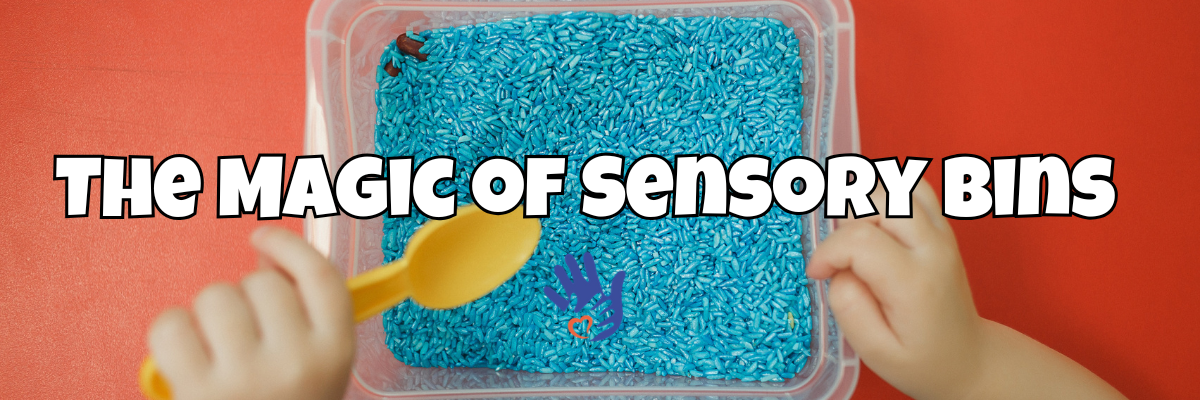
The Magic of Sensory Bins

Unleashing Creativity and Play: The Magic of Sensory Bins in Occupational Therapy

In the world of occupational therapy, sensory bins are a beloved tool used to foster creativity, play, and learning. Sensory bins are simple setups; however, they provide children with hands-on experiences to stimulate their senses, all while encouraging play. 


What is a Sensory Bin?

A sensory bin is a container filled with materials to offer diverse sensory experiences. Sensory bins can be as simple as a box filled with rice or as elaborate as a themed setup with various textures and materials. The goal of creating a sensory bin is to include items for children to explore through touch, sight, sound, and sometimes even smell or taste. 


Benefits of Sensory Bins

  1. Stimulating the Senses—Sensory bins can engage children’s senses through various materials. They can offer unique tactile experiences through different textures like beans, rice, pasta, sand, or flour. 
  2. Supporting Cognitive Development—Sensory bins can be tailored to support different learning objectives. For example, submerging alphabet letters or numbers in the bin can help children practice letter and number recognition, enhancing their skills. Sensory bins can also early literacy be a fun way to integrate learning and sensory development. 
  3. Providing opportunities for Creativity – When tailored to a specific theme, sensory bins allow creativity and imaginative play. Sensory bins are naturally open-ended, allowing the use of materials within the bin in various ways for play. 
  4. Enhancing Fine Motor Skills—Sensory bins can include various tools to encourage fine motor skill development. Items such as spoons, tweezers, and tongs allow children to develop hand strength, bilateral coordination, and hand-eye coordination. 
  5. Increasing Emotional Regulation – Sensory play is naturally calming and therapeutic, especially with sensory bins. Children can improve sustained attention and better manage their emotions with repetitive scooping, pouring, and sorting motions. Sensory bins provide a place for self-regulation and relaxation. 
  6. Fostering Social Skills – When used in a group setting, sensory bins can promote social interaction and cooperation. Learning to share materials, engage in imaginative play, and play in shared spaces are all benefits of sensory bins. 


Creating Your Own Sensory Bin

  1. Select Materials – The possibilities are ENDLESS. Common materials used in sensory bins include rice, beans, sand, and pasta. Other items could include plastic animal figurines, building blocks, or pom poms. These items can be cost effective and are often found around your home already. It is important to ensure that materials are safe and age appropriate for the age group. 
  2. Incorporating Tools – Add spoons, tongs, containers, tweezers, and other tools to enhance the play experience. 
  3. Set Up the Bin – Arrange the materials within a container. If desired, include other elements such as themed toys, letters/numbers, or activity cards. Make sure the bin is large enough for the children to explore comfortably. 
  4. Optional – Starting with a Theme – Start with a theme that interests your child and can support the current learning objectives. Themes can range from seasons to holidays to your child’s favorite show. 


How Can Carolina Therapy Connection Help?

Here at Carolina Therapy Connection, our Occupational Therapist often incorporates sensory bins into your child’s treatment sessions when appropriate. We are constantly switching out our bins with new sensory experiences for our clients. Consult with your child’s Occupational Therapist for more ideas and information about ways to include sensory bins into your child’s play routine at home. 

Sensory bins are more than just a fun play activity. They are powerful tools to support your child’s sensory development, fine motor skills, emotional regulation, social skills, and creativity. Incorporating sensory bins into your child’s play routine can help create enriching experiences! So, gather your materials, embrace the mess, and embark on a sensory adventure with your child that is both joyful and educational.