




Contact Us Make a payment Check In

How Occupational Therapy Supports School Readiness Skills for Children

As your child prepares to enter school, it’s important to ensure they have developed key skills that will set them up for success in the classroom. While most people think of academic skills first, school readiness encompasses much more. It involves a combination of physical, social, emotional, and cognitive skills that enable children to interact with their environment, communicate with others, and perform tasks independently. Occupational Therapy plays a critical role in helping children develop these skills, ensuring they are ready to thrive in the school environment.

What Are School Readiness Skills?

School readiness skills are the foundation children need to succeed in school and beyond. These skills can range in areas, including:

  1. Motor Skills: Physical abilities needed for tasks like holding a pencil, cutting with scissors, and using a computer.
  2. Cognitive Skills: Problem-solving, memory, attention, and following multi step instructions.
  3. Self-regulation: The ability to control emotions, focus attention, and manage impulses.
  4. Social Skills: Communication, cooperation, and forming friendships with peers.
  5. Independence: Being able to complete tasks like dressing, feeding, and using the bathroom independently.

While children often develop many of these skills through everyday experiences and play, sometimes we may need more support in certain areas. This is where occupational therapy can HELP!

How Occupational Therapy Supports School Readiness Skills

Occupational therapy focuses on helping children develop the skills needed to function independently and participate in daily activities. For school readiness, an OT can address a variety of skills, ranging from fine motor skills to emotional regulation.

1. Fine Motor Skills:

Fine motor skills are essential for performing tasks like writing, cutting with scissors, and manipulating small objects. These skills involve the small muscles in the hands, fingers, and wrists.

How OT helps:

  • Handwriting: Occupational therapists can work on grip strength, pencil control, grasp, and letter formation.
  • Cutting: Through activities that strengthen hand muscles, incorporate bilateral hand use, and improve coordination, OTs can help children use scissors effectively.
  • Manipulating Objects: Simple activities, such as stacking blocks, buttoning shirts, or zipping jackets, can be incorporated into therapy to improve finger dexterity.

2. Sensory Processing:

Children who have difficulty processing sensory information (sounds, lights, textures, smells) may find it challenging to focus in a busy classroom environment.

How OT helps:

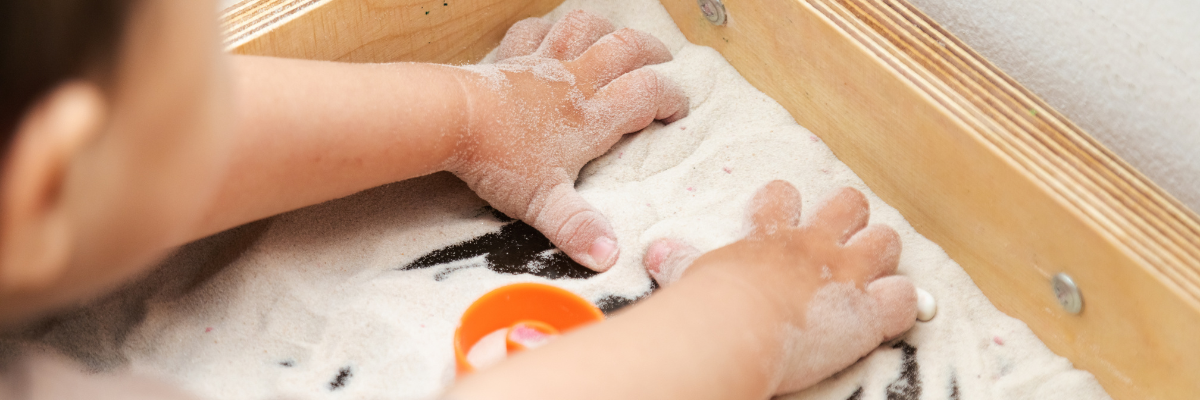
  • Sensory Integration: Through specialized activities, an OT can help children learn to cope with sensory overload or under-sensitivity. For example, children might engage in tactile play, use fidget toys, or participate in calming sensory breaks.
  • Self-regulation: OT teaches strategies like deep breathing, stretching, and muscle relaxation to help children manage their responses to stress or overstimulation.

4. Social and Communication Skills:

School readiness isn’t just about physical skills—it’s also about being able to communicate, share, and work with others. Children must learn to understand social cues, follow directions, and engage with their peers.

How OT helps:

  • Social Interaction: Occupational therapists use role-playing, peer play,  and social stories to help children practice sharing, taking turns, and understanding facial expressions.
  • Cooperative Play: Children can engage in group activities that promote teamwork, turn-taking, and appropriate communication.
  • Following Instructions: Through structured activities, OTs can help children develop the ability to listen, understand, and follow multi-step instructions.

5. Self-Care Skills:

One often-overlooked area of school readiness is the ability to perform daily tasks independently, such as dressing, eating, and toileting.

How OT helps:

  • Dressing: Occupational therapists can break down the steps needed to put on and take off clothes, teaching children how to button, zip, or tie shoes.
  • Feeding: They can work with children to develop the skills necessary for using utensils, managing snacks, and opening lunchboxes.
  • Toileting: OT helps children develop the independence to use the bathroom and practice hygiene routines like handwashing.

6. Attention and Focus:

A critical skill for school success is the ability to focus and pay attention during class activities.

How OT helps:

  • Improved Focus: OTs use games and activities that challenge attention, helping children learn to stay on task for longer periods.
  • Task Completion: Children learn how to break down tasks into manageable steps and practice following through until the task is completed.
  • Transitioning Between Activities: OTs help children practice switching from one activity to another smoothly, such as moving from recess to classroom work.

How to Get Started with Occupational Therapy for School Readiness

School readiness is more than just knowing the alphabet or counting to ten—it’s about developing the physical, social, emotional, and cognitive skills that will help children thrive in a classroom environment. Occupational therapy can support children in developing the motor skills, self-regulation, social abilities, and independence they need to succeed. If you’re concerned about your child’s readiness for school, working with an OT can provide valuable support and make the transition smoother.

If you’re concerned about your child’s school readiness skills, occupational therapy might be the solution. Call us today at 252-341-9944 to get started.


Tuning Into Focus: How Music Therapy Supports Children with Autism

How Music Stimulates the Brain in Children with Autism

When music is played, the brain is stimulated by recognizing pitch, tone, and rhythm. Children with Autism Spectrum Disorder (ASD) often excel at pitch processing and respond emotionally to sound. This makes music a powerful tool to support behavioral regulation and improve focus during therapeutic sessions. Autism Speaks recognizes music therapy as a key intervention to enhance communication and emotional awareness in children with autism.

The Power of Music Therapy for Sensory Regulation

Children with ASD frequently struggle with sensory processing, which can result in increased anxiety and difficulty concentrating. New research, including findings from the National Institutes of Health, supports that music therapy can reduce anxiety, improve social-emotional engagement, and increase communication skills. Additionally, music is a valuable aid in learning and maintaining daily routines.

What is 8D Audio, and Why is it Effective for Autism?

8D music, also known as three-dimensional audio, uses binaural beats and sound wave manipulation to create a surround-sound effect. This type of music helps stimulate the senses and create a calming experience for individuals with ASD. The repetitive rhythms and tranquil tones help reduce stress and improve focus.

Emerging studies, such as those published in Frontiers in Psychology, suggest that 8D music may also help reduce sensory overload and improve mood regulation, making it a useful tool in autism therapy.

How Carolina Therapy Connection Integrates Music Into Autism Treatment

At Carolina Therapy Connection (CTC), we incorporate music—including 8D audio—into comprehensive treatment plans. Whether paired with occupational therapy, speech therapy, physical therapy, or mental wellness services, music serves as a supportive modality to improve attention, regulate behavior, and build daily living skills.

Our therapists are trained to adapt therapeutic sessions to each child’s sensory needs, and we offer personalized strategies—including music therapy techniques—to help your child thrive.

Transforming Pediatric Care with Galileo KIDS

Revolutionizing Pediatric Therapy: Introducing Galileo KIDS

At Carolina Therapy Connection, we’re dedicated to providing the most innovative tools and techniques to help children reach their full potential. That’s why we’re excited to offer Galileo KIDS, a cutting-edge therapy device designed to support children across multiple developmental and therapeutic goals. Whether your child is working on physical, occupational, or speech therapy, this technology can be a game-changer!

What is Galileo KIDS?

Galileo KIDS is a whole-body vibration therapy platform specifically designed for children. This scientifically developed device uses side-alternating oscillations to mimic natural movement patterns, engaging muscles and stimulating the neuromuscular system. The platform is customizable, allowing therapists to adjust the intensity to meet the specific needs of each child.

Originally developed for medical and therapeutic use, the Galileo system has been backed by extensive research demonstrating its effectiveness in:

  • Improving muscle strength and tone
  • Enhancing balance and coordination
  • Supporting bone density and joint flexibility
  • Boosting circulation and reducing spasticity

This evidence-based approach makes it an invaluable tool across various therapy disciplines.

How is Galileo KIDS Used in Therapy?

Physical Therapy:
The Galileo KIDS is a powerful tool for building strength and mobility. It activates the stretch reflex, a natural muscle contraction, at a much faster rate than traditional exercise. This can help children:

  • Develop core strength and stability
  • Improve balance and gait/walking patterns
  • Enhance flexibility and range of motion/movement
  • Manage conditions like cerebral palsy, muscular dystrophy, or hypotonia

Occupational Therapy:
For children working on fine motor and sensory integration, the Galileo KIDS provides unique opportunities for growth. The gentle vibrations help:

  • Regulate sensory processing and calm overstimulation
  • Improve hand-eye coordination through targeted activities
  • Strengthen hand, wrist, and shoulder muscles critical for daily tasks like writing, dressing, or eating

Speech Therapy:
While vibration therapy might not seem directly tied to speech, it can play an essential role in improving motor control and posture, which are foundational for effective communication. Therapists use Galileo KIDS to:

  • Enhance core strength for better breath control and vocal projection
  • Address oral motor coordination through improved posture and alignment
  • Support neurological pathways critical for speech and language development

Why Choose Galileo KIDS for Your Child?

The benefits of Galileo KIDS go beyond its cutting-edge technology. It’s:

  • Engaging: Children enjoy the dynamic, interactive nature of the platform.
  • Time-Efficient: Sessions are short but highly effective, with benefits often noticeable after just a few uses.
  • Safe: Built with children in mind, Galileo KIDS offers gentle yet impactful therapy tailored to each child’s age and ability.
  • Versatile: With applications across multiple therapy disciplines, it provides a holistic approach to supporting your child’s development.

Research-Backed Results

Studies have shown that whole-body vibration therapy can improve strength, bone density, and motor function in children with neuromuscular disorders and other developmental challenges. Its proven ability to enhance sensory processing and reduce spasticity makes it a trusted tool in modern pediatric therapy.

Experience Galileo KIDS at Carolina Therapy Connection

We’re proud to bring this innovative therapy device to our clinic. Whether your child is working on gross motor skills, fine motor coordination, or speech development, Galileo KIDS offers a fun, effective way to support their journey.  This service is covered under insurance when used as part of a therapeutic treatment program.

Ready to learn how Galileo KIDS can benefit your child? Contact us today to schedule a consultation and see this remarkable tool in action. Together, we’ll help your child grow stronger, more confident, and ready to take on the world!


Sensory Integration Therapy and Sensory Diet Toolkit

Enhancing Sensory Processing with Sensory Integration Therapy

Sensory integration therapy is designed to help children who experience sensory processing challenges respond to sensory input more regulated and effectively. It can play a vital role in improving a child’s sensory awareness, emotional regulation, and overall well-being. At the core of this therapeutic approach is the Sensory Diet Toolkit, a collection of activities and interventions that support sensory processing and help children navigate their sensory needs throughout the day.

What is Sensory Integration Therapy?

Sensory integration therapy is a treatment approach that focuses on how the brain processes and responds to sensory information. It helps children become more aware of their sensory experiences, such as touch, sound, sight, and movement. The therapy aims to balance how a child responds to different sensory stimuli, helping them function better in everyday environments like home, school, and playgrounds.

For children with sensory processing disorders, such as those with Autism Spectrum Disorder (ASD), ADHD, or other developmental conditions, sensory integration therapy can make a significant difference. It can improve how children respond to sensory experiences, whether feeling overwhelmed by loud noises or seeking out constant motion.

What is a Sensory Diet?

A sensory diet is a personalized set of sensory activities strategically scheduled throughout the day to help the child meet their sensory needs. It is called a “diet” because it involves a routine of activities providing specific sensory input to regulate the sensory system. Think of it as a balanced approach to sensory stimulation—just like a balanced meal plan supports your physical health, a sensory diet supports emotional and sensory well-being.

The Sensory Diet Toolkit: Key Components

The Sensory Diet Toolkit consists of various activities as well as strategies to help children with sensory processing challenges. These activities stimulate, calm, or organize the sensory system, depending on the child’s specific needs. Here are some examples:


  1. Therapeutic Brushing: This involves using a special brush to apply gentle pressure to the skin, providing calming tactile input. It can help children who are sensitive to touch or who have difficulty calming down.
  2. Therapeutic Drumming: Using drums or rhythmic activities helps children who need proprioceptive input (sensory input related to body movement) to organize their movements and also improve focus.
  3. Deep Pressure Techniques: Activities like squeezing a stress ball or using weighted blankets can help children who need calming sensory input to feel more grounded and relaxed.
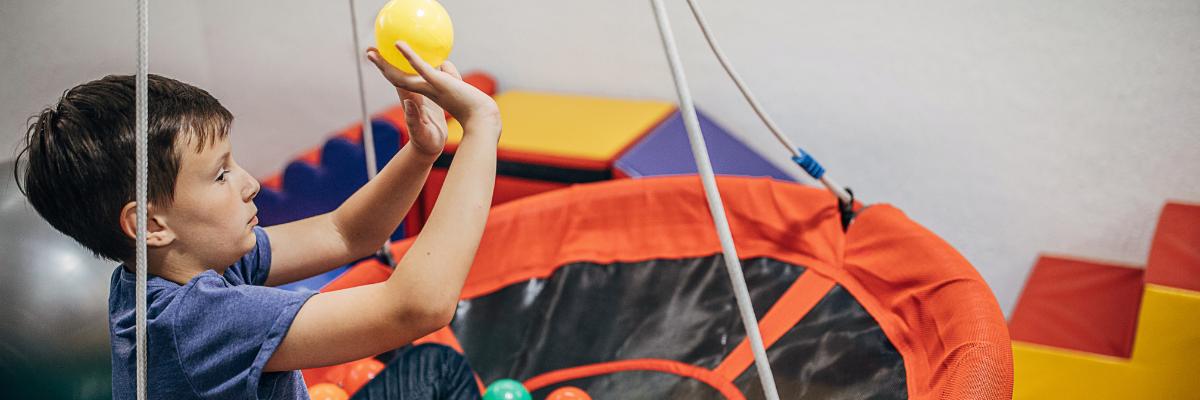
  4. Movement Breaks: Short bursts of physical activity like jumping on a trampoline or spinning can help children who seek sensory input and also may need extra stimulation to feel regulated.
  5. Fidget Tools: Fidget spinners, chewable jewelry, or putty provide sensory input that helps children stay calm and focused, especially in situations that may be overstimulating.


How the Sensory Diet Helps Children

By integrating sensory activities into daily routines, children can improve their ability to process sensory information, which can help them:


  • Stay calm and focused: Sensory activities help children regulate their emotional as well as physical responses, promoting a more balanced state of being.
  • Develop better social skills: By managing sensory needs, children may have fewer meltdowns or emotional outbursts, allowing them to interact more comfortably with others.
  • Improve motor skills and coordination: Sensory activities also support the development of fine and gross motor skills, which can lead to improved physical coordination.
  • Enhance emotional well-being: Children who can self-regulate their sensory input are better equipped to handle stress, frustration, and other emotional challenges.


How Carolina Therapy Connection Can Help

At Carolina Therapy Connection, we offer sensory integration therapy as part of our comprehensive therapy services for children. Our team of skilled occupational therapists assesses your child’s unique sensory processing needs and creates a personalized sensory diet that works for them. Whether your child struggles with sensory overload, seeks constant movement, or finds it difficult to focus, we can help with strategies tailored to their needs. If you want to learn more about sensory integration and how we incorporate this approach into therapy, including intensives, please schedule an evaluation. You can also use this link to explore more about our pediatric intensive therapy services.


Understanding Therapeutic Listening for Kids

Helping Children Manage Sensory Processing Challenges with Therapeutic Listening

Does your child ever seem overwhelmed by everyday sounds, textures, or busy environments? Maybe loud noises cause distress, certain clothing feels unbearable, or transitions lead to emotional meltdowns. Watching your child struggle with sensory processing challenges can be tough, but there are supportive, evidence-informed tools that can help.

Therapeutic Listening is one such approach. This gentle, non-invasive intervention uses specially designed music to support sensory processing, emotional regulation, and overall well-being in children.

What Is Therapeutic Listening?

Therapeutic Listening uses specially designed music and sound frequencies to help children’s brains process sensory information more effectively. When children listen to this targeted music, they strengthen their brain’s ability to organize and respond to sensory experiences.

This approach supports children with a variety of challenges, including sensory processing difficulties, anxiety, ADHD, and autism. The music in Therapeutic Listening is not ordinary, it actively stimulates the brain and promotes stronger sensory integration. As a result, children often feel more comfortable, regulated, and balanced in their everyday lives.

How Does Therapeutic Listening Work?

When your child listens to carefully designed music, their brain responds to specific rhythms and frequencies that support focus, attention, and emotional regulation. These sound patterns help calm the nervous system and support children who struggle with stress, overstimulation, or difficulty concentrating.

Therapeutic Listening helps children develop stronger emotional control and reduces feelings of overwhelm. It also helps them stay calm and regulated in situations that might otherwise trigger anxiety or sensory overload. This non-invasive approach does not rely on medication or complex procedures.

How Can Therapeutic Listening Help My Child?

Improves Sensory Processing

Children with sensory processing challenges often struggle to filter distractions, which can make it hard to focus or stay calm. Therapeutic Listening trains the brain to process sensory input more efficiently and respond appropriately to different sensory stimuli. It also helps children tolerate a wider range of sounds in their environment.

Enhances Emotional Regulation

Children with anxiety or emotional regulation challenges often benefit from Therapeutic Listening because it supports calmness and grounding. Listening to structured music helps children manage their emotions and reactions, making stressful situations easier to handle.

Boosts Focus and Attention

Therapeutic Listening supports improved focus and attention, especially for children with ADHD or other attention-related challenges. The music actively engages the brain and helps children stay present and attentive.

Supports Overall Well-Being

Therapeutic Listening goes beyond improving focus or reducing stress; it supports a child’s emotional and mental well-being. When children feel regulated and balanced, they interact more positively with others and experience greater success at home and school.

How Carolina Therapy Connection Can Help

At Carolina Therapy Connection, we offer Therapeutic Listening as part of our sensory integration therapy services. Our licensed therapists create individualized plans that help children build regulation skills, improve focus, and feel more confident in their daily environments.

If your child struggles with sensory processing, emotional regulation, or attention, we’re here to help. Contact us to schedule an evaluation or explore our pediatric intensive therapy services on our website.

Astronaut Training

Astronaut Training: Boost Sensory Processing, Balance, and Coordination Through Fun Activities

Have you ever wondered how astronauts train to thrive in space? Well, it turns out that some of the movements they experience in space, like spinning, swinging, and flipping, can actually help children improve their sensory processing, balance, and body awareness!


What is Astronaut Training?

Astronaut Training is a specialized therapy designed to help children, especially those with sensory processing issues, balance challenges, or developmental delays, enhance their sensory integration. The program uses fun and exciting activities that simulate the sensations astronauts feel in space, such as swinging and rotating.

These activities focus on strengthening the vestibular system, which controls balance, coordination, and spatial awareness. As children engage in these exercises, their brain learns to process and respond to sensory input more effectively, leading to improved focus, body awareness, and overall coordination.

How Does Astronaut Training Help Kids?


  1. Sensory Processing: Many children, especially those with sensory processing disorder (SPD), find it challenging to understand and react to sensory input from their environment. Astronaut Training helps them process sensory information better by integrating sensory experiences through movements like spinning and rotational activities. This leads to smoother, more efficient responses to sensory stimuli in everyday life.
  2. Balance and Coordination: Balance and coordination are essential skills for physical development. The rotational movements and balance activities in Astronaut Training help children strengthen their muscles and improve their balance, which leads to better coordination in other areas of life, such as sports or simple tasks like walking or running.
  3. Body Awareness: Astronaut Training activities also focus on improving body awareness, or the ability to know where one’s body is in space. Through exercises that involve flipping, spinning, and swinging, children gain a better understanding of how their bodies move and function, enhancing their ability to control their movements and interact confidently with their environment.
  4. Focus and Emotional Regulation: This type of therapy is great for the body and the mind. Astronaut training’s structured yet playful nature helps children improve their focus and emotional regulation. They learn to control their impulses and better manage their emotions, especially in response to sensory challenges.


Who Can Benefit from Astronaut Training?

Astronaut Training is particularly helpful for children with conditions like ADHD, autism, sensory processing disorder (SPD), or motor coordination difficulties. It provides an effective, fun, and engaging way to work on skills that are often areas of concern for these children. By integrating sensory activities in a structured and enjoyable way, children can experience growth in their physical, cognitive, and emotional abilities.

How Carolina Therapy Connection Can Help

At Carolina Therapy Connection, we understand how important it is for children to receive the support they need in a fun and effective way. Our team of skilled therapists uses innovative approaches like Astronaut Training to help children improve sensory processing, balance, and coordination. We create a supportive environment through personalized therapy sessions where children can thrive and gain confidence in their physical and sensory abilities. If you’re interested in learning more about Astronaut Training and how we incorporate this approach into therapy, including intensives, please feel free to contact us to schedule an evaluation. You can also use this link to explore our pediatric intensive therapy services.