





Contact Us Make a payment Check In

How Sleep Impacts Mental Wellbeing: The Essential Connection Between Rest and Emotional Health

Why Sleep Is More Than Just Rest

In today’s fast-paced world, sleep often feels like a luxury rather than a necessity. Late-night scrolling, demanding work schedules, and constant stimulation make it easy to push bedtime later and later. But sleep isn’t just a way to recharge physically — it’s one of the most powerful tools we have for maintaining mental health and emotional balance. 

The Powerful Connection Between Sleep and Mental Health

Sleep and mental well-being are connected in many ways. During sleep, especially in the deeper REM (Rapid Eye Movement) stages, our brains process emotions, consolidate memories, and clear out neurotoxic waste — all essential for cognitive functioning and emotional regulation. 

Lack of sleep can throw off this delicate balance. Just one night of poor sleep can make you feel irritable, anxious, and unfocused. Over time, chronic sleep deprivation can contribute to the development or worsening of mental health disorders, including depression, anxiety, and even bipolar disorder. 

How Sleep Affects Mood and Emotional Resilience

Have you ever noticed how everything feels a bit more overwhelming after a restless night? That’s because sleep plays a crucial role in regulating our mood. The amygdala is the part of the brain responsible for processing emotions; this area becomes more reactive when we’re sleep-deprived. This means we’re more likely to overreact to stressors or feel emotionally unstable. 

Sleep helps us “reset” the emotional brain, giving us the resilience we need to face daily challenges. With adequate rest, we become better equipped to manage stress, resolve conflicts, and maintain a positive outlook. 

Anxiety and Sleep: Breaking the Vicious Cycle

The relationship between anxiety and sleep can be complex. Anxiety can make it hard to fall or stay asleep, and not getting enough sleep can, in turn, increase anxiety levels. This creates a vicious cycle that can be hard to break. Research shows that insomnia is not only a symptom of anxiety but also a potential trigger. 

Prioritizing healthy sleep habits, such as maintaining a consistent bedtime routine and minimizing screen time before bed, can help alleviate anxious thoughts and enhance overall sleep quality. 

Sleep’s Role in Cognitive Function and Mental Clarity

Mental clarity, focus, and decision-making are all cognitive abilities affected by sleep. During deep sleep, the brain strengthens neural connections and clears away unnecessary information, which helps improve learning and memory. 

When we’re sleep-deprived, it becomes harder to concentrate, solve problems, or make sound decisions. This mental fog can contribute to feelings of frustration, low self-esteem, and emotional exhaustion. 

When to Seek Help: Therapy and Sleep Support

While it is essential to consult a sleep specialist to address physical ailments that restrict or impact sleep quality, working with a mental health therapist can help alleviate stress and incorporate practical coping skills to promote better and more consistent rest. Here are just a few ways a therapist can work with you to improve your sleep: 

  • Creating a routine. 
  • Developing skills to facilitate a sleep-friendly environment
  • Work to address substance use and excessive phone use. 
  • Develop somatic tools to help the body and mind connect and regulate. 

How Can Carolina Therapy Connection Help?

Sleep isn’t just rest — it’s mental nourishment. At Carolina Therapy Connection, our licensed mental health therapists work with you to develop a personalized and collaborative action plan that supports improved sleep and emotional well-being. We offer in-person counseling at our Greenville, New Bern, and Morehead City locations, as well as teletherapy services to individuals across the entire state of North Carolina. Whether you’re struggling with sleep-related anxiety, mood swings, or stress, our team is here to help you build healthy habits that lead to better rest and a healthier mind. Get started today with a free 15-minute consultation!
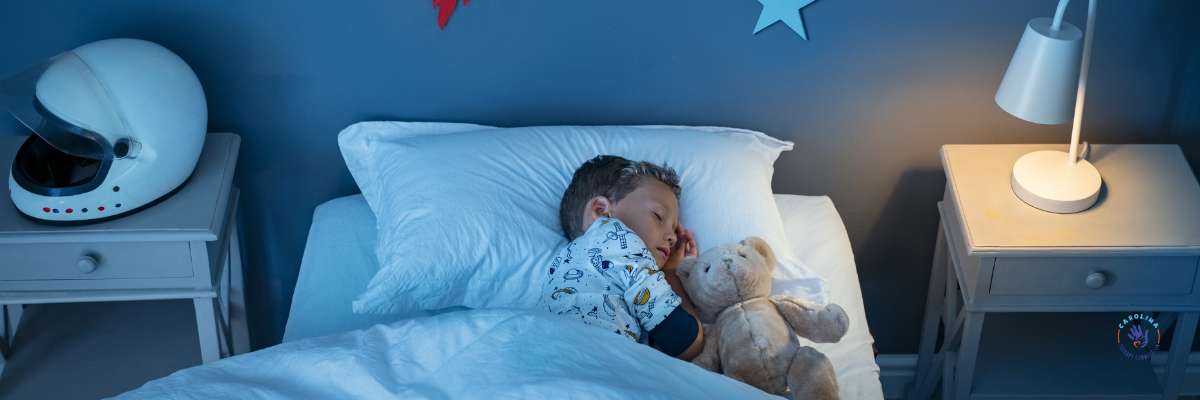
 

Sweet Dreams: Sleep Strategies for a Well-Rested Child

Why Sleep Matters: Sleep Strategies Key to a Well-Rested Child

Parenting can be a rollercoaster ride filled with joy, challenges, and sleepless nights. Nights without sleep might seem normal in the newborn phase, but they don’t have to be a permanent part of parenting! Do you know some simple sleep strategies that can help the family sleep better? This blog post will explore tips to make bedtime a breeze for you and your kids!

The Power of Routine: Sticking to a Consistent Sleep Schedule

Consistency is key when it comes to sleep! Using a regular sleep schedule helps create a clock inside your child’s body. It also helps to create a predictable routine for your child. Try to get to bed and wake up simultaneously every day. That includes weekends! This will help the body create a regular sleep pattern and make falling asleep easier. 

Create a Nightly Routine

Ensuring a good night’s sleep starts before your child’s head hits the pillow. Create a consistent bedtime routine. Before bed, try taking a warm, calming bath. Read a book in bed or try relaxation strategies like listening to calming music or stretching. Limit snacks, drinks, and screen time before bed. 

Creating a Sleep-Friendly Environment for Your Child

Turn your child’s bedroom into a space that encourages sleep. Keep the space quiet and dark. You can use blackout curtains to block light and a white noise machine to drown out any noise. Temperature is also critical. Make sure your child is not too hot or too cold. The actual place of sleep can make or break a good night of sleep. Ensure your child’s mattress and pillows provide good support for a restful sleep. You can also try stretchy lycra sheets to provide compression during sleep, making your child feel as if they are getting a comfy hug all night long. If your child displays fear of the dark, use a night light to provide a comforting light while sleeping. 

The Role of Screen Time in Your Child’s Sleep Quality

The light from screens like phones, tablets, or TVs can interfere with sleep. Try to avoid using screens for at least an hour before bedtime. It may also be helpful to remove screens from the bedroom. Instead, read a book, draw, or play a quiet game to help when winding down before bed.

Daytime Activities That Promote Better Sleep at Night

Did you know that being active during the day can help you sleep better at night? Please encourage your child to get outside to play or do some fun movement activities to help their body feel tired when it’s time to lay their heads down.

Nutrition and Sleep: What to Eat and Avoid Before Bedtime

Some foods and drinks make it harder for your child to fall asleep. Avoid eating large meals or spicy foods before bed, as they can cause discomfort during sleep. Try not to have snacks or drinks with caffeine or sugar before bedtime. Instead, stick to a light, healthy snack that won’t disrupt their sleep. 

Follow these simple tips to become a sleep superstar and have sweet dreams every night! Remember, getting enough sleep is essential for staying healthy, so prioritize a good night’s sleep.

How Carolina Therapy Connection Can Support Better Sleep? 

In addition to utilizing the tips above at home, we know that sometimes families may need extra support. At ***@***********************on.com","type":"person"}”>Carolina Therapy Connection, our Occupational Therapists work to address any barriers that affect someone’s physical, mental, or emotional well-being. Occupational therapists at CTC can help determine if your child’s sleep difficulties are related to underlying sensory or environmental issues. They can help establish a sensory diet (a personalized, organized plan that provides sensory input activities that a person needs to regulate their body throughout the day) to address potential underlying sensory issues that may impact sleep. They can also provide additional strategies for your child’s specific sleep needs. Our goals are to improve your child’s sleep quality to increase participation in meaningful activities throughout the day. Additionally, check out our Amazon storefront for items that can help achieve a good night’s sleep! 


By: Caroline Zissette, MS, OTR/L