


Contact Us Make a payment Check In

Moving to Learn: How Movement-Based Activities Boost Speech and Language Development

We Like to Move It, Move It with Movement-Base Activities!

When you think of movement-based therapy, you may immediately think of physical or occupational therapy. Turns out, speech and language skills can and should be targeted through gross motor activities as well! How does movement help children develop speech and language skills? Incorporating movement into speech therapy sessions promotes attention, self-regulation, and learning. 

Movement-Base Activities can set the stage for Learning

Effective speech therapy doesn’t require that a child stays seated in their chair! When kids can move around (e.g., stand, bounce, jump, swing, dance), they are often more motivated to participate in therapy activities. Allowing for movement can increase a child’s attention towards the task at hand, contributing to more significant learning. Movement can also have a calming effect on the body! Think about the soothing impact of rocking a baby and how it feels to swing in a hammock or go on a walk after a long day. Engaging in movement can help a child maintain control over their emotions, thoughts, and behaviors, thus freeing up cognitive resources needed to focus on learning.  

Fun, Movement-Based Activities 

  • Create an Obstacle Course
    • Collaborate to create an obstacle course! Slides, swings, cones, bean bags, scooter boards, and balance beams can all be used to create an exciting obstacle course. Target following directions, understanding spatial concepts, and using verbs while designing and completing the course. For kids working on speech sounds, each station can include an opportunity to practice 5-10 words containing target sounds before moving on to the next station.
  • Go on a Scavenger Hunt Around the Room
    • Take turns hiding objects, puzzle pieces, or pictures around the room. To make it even more fun, use a flashlight or binoculars as you search for the hidden items. As your child finds the secret item, have them describe what they saw and where they found it to encourage expressive language skills.
  • Sing and Dance to Music
    • Music’s repetitive and melodic element makes it a meaningful way to experience language. For younger kids, sing familiar nursery rhymes and songs to encourage early communication skills such as imitating actions (e.g., clapping hands, stomping feet). Music tends to be repetitive, which provides many opportunities to hear words and phrases. Using a sing-song voice often makes language more memorable for children as they acquire words. Older kids may enjoy taking a dance break while practicing their speech and language goals or choose songs containing a child’s target speech sounds to make repetitive practice more fun!

How can Carolina Therapy Connection Help?

Ask your child’s speech-language pathologist for more ideas for using movement to foster the development of speech and language skills. If you have questions or concerns regarding your child’s communication skills, a Speech-Language Pathologist at Carolina Therapy Connection can help!


 

Transforming Pediatric Care with Galileo KIDS

Revolutionizing Pediatric Therapy: Introducing Galileo KIDS

At Carolina Therapy Connection, we’re dedicated to providing the most innovative tools and techniques to help children reach their full potential. That’s why we’re excited to offer Galileo KIDS, a cutting-edge therapy device designed to support children across multiple developmental and therapeutic goals. Whether your child is working on physical, occupational, or speech therapy, this technology can be a game-changer!

What is Galileo KIDS?

Galileo KIDS is a whole-body vibration therapy platform specifically designed for children. This scientifically developed device uses side-alternating oscillations to mimic natural movement patterns, engaging muscles and stimulating the neuromuscular system. The platform is customizable, allowing therapists to adjust the intensity to meet the specific needs of each child.

Originally developed for medical and therapeutic use, the Galileo system has been backed by extensive research demonstrating its effectiveness in:

  • Improving muscle strength and tone
  • Enhancing balance and coordination
  • Supporting bone density and joint flexibility
  • Boosting circulation and reducing spasticity

This evidence-based approach makes it an invaluable tool across various therapy disciplines.

How is Galileo KIDS Used in Therapy?

Physical Therapy:
The Galileo KIDS is a powerful tool for building strength and mobility. It activates the stretch reflex, a natural muscle contraction, at a much faster rate than traditional exercise. This can help children:

  • Develop core strength and stability
  • Improve balance and gait/walking patterns
  • Enhance flexibility and range of motion/movement
  • Manage conditions like cerebral palsy, muscular dystrophy, or hypotonia

Occupational Therapy:
For children working on fine motor and sensory integration, the Galileo KIDS provides unique opportunities for growth. The gentle vibrations help:

  • Regulate sensory processing and calm overstimulation
  • Improve hand-eye coordination through targeted activities
  • Strengthen hand, wrist, and shoulder muscles critical for daily tasks like writing, dressing, or eating

Speech Therapy:
While vibration therapy might not seem directly tied to speech, it can play an essential role in improving motor control and posture, which are foundational for effective communication. Therapists use Galileo KIDS to:

  • Enhance core strength for better breath control and vocal projection
  • Address oral motor coordination through improved posture and alignment
  • Support neurological pathways critical for speech and language development

Why Choose Galileo KIDS for Your Child?

The benefits of Galileo KIDS go beyond its cutting-edge technology. It’s:

  • Engaging: Children enjoy the dynamic, interactive nature of the platform.
  • Time-Efficient: Sessions are short but highly effective, with benefits often noticeable after just a few uses.
  • Safe: Built with children in mind, Galileo KIDS offers gentle yet impactful therapy tailored to each child’s age and ability.
  • Versatile: With applications across multiple therapy disciplines, it provides a holistic approach to supporting your child’s development.

Research-Backed Results

Studies have shown that whole-body vibration therapy can improve strength, bone density, and motor function in children with neuromuscular disorders and other developmental challenges. Its proven ability to enhance sensory processing and reduce spasticity makes it a trusted tool in modern pediatric therapy.

Experience Galileo KIDS at Carolina Therapy Connection

We’re proud to bring this innovative therapy device to our clinic. Whether your child is working on gross motor skills, fine motor coordination, or speech development, Galileo KIDS offers a fun, effective way to support their journey.  This service is covered under insurance when used as part of a therapeutic treatment program.

Ready to learn how Galileo KIDS can benefit your child? Contact us today to schedule a consultation and see this remarkable tool in action. Together, we’ll help your child grow stronger, more confident, and ready to take on the world!


Promoting Early Language Development (1-3 Years Old): A Guide for Parents

Effective Strategies for Promoting Early Language Development in Toddlers (1-3 Years)

As a parent, one of the most exciting milestones you’ll witness is when your little one starts to babble, form their first words, and eventually begin to combine words into sentences. Children between the ages of 1 and 3 experience a tremendous growth spurt in their language skills, and you, as a caregiver, play a crucial role in nurturing this development. Incorporating simple, everyday activities into your routine can foster your child’s communication abilities while strengthening your bond.

1. Model Simple, Repetitive Language

Language development begins with exposure; repetition is key to helping young children understand and start using words. By consistently repeating words, phrases, or sounds, you provide a model for your child to mimic. For example, when your child points to a ball, you could say, “Ball! Throw the ball.” By using the same word or phrase in similar contexts, your child will start to associate words with their meanings.

Tip for Parents: When playing, model simple sentences like, “I see the car. The car is red,” and repeat the words often to help your child start using them on their own.

2. Expand on Your Child’s Vocalizations and Verbalizations

Children naturally start to make sounds and babble, and it’s essential to expand on these early attempts at communication. If your child says “ba-ba” while playing with a ball, you can develop by saying, “Yes, that’s the ball!” or “Throw the ball to me!” This teaches your child to use more complex sentences and promotes vocabulary growth.

Tip for Parents: Note your child’s attempts to communicate, whether it’s a sound, word, or gesture, and repeat it with added detail or context to reinforce language skills.

3. Use Gestures to Support Understanding

Before children develop verbal skills, they often rely on gestures to communicate. By supporting these gestures with corresponding words, you help children make the connection between their physical actions and the words that describe them. For example, if your child raises their arms to be picked up, you can say, “Up! You want to go up!” This helps them link gestures with language.

Tip for Parents: Encourage your child to use gestures such as pointing, waving, or clapping, and always reinforce those gestures with words to help them connect physical actions with language.

4. Joint Attention: Share the Moment

Joint attention refers to the shared focus of two people on an object or activity. It’s an essential part of early language development because it helps children learn how to communicate about things they’re interested in. Whether it’s a toy, a picture, or a family pet, showing your child that you’re both looking at the same thing helps build their understanding of communication and strengthens your connection.

Tip for Parents: Use eye contact, point to objects, and narrate what’s happening in your child’s environment. For example, “Look at the dog! The dog is running!” This reinforces language development and creates meaningful moments of connection.

5. Engage in Interactive Activities

Interactive activities, such as reading, singing, and playing, are vital for boosting language development. Picture books are especially effective for introducing new words and concepts. Singing simple songs with repetition, like “Twinkle, Twinkle, Little Star,” helps your child learn words through rhythm and melody. Turn-taking games also help develop social communication skills.

Tip for Parents: Incorporate songs, books, and games into your daily routine. For example, during bath time, you can sing a song like “Rub-a-dub-dub, it’s time for a scrub!” to make the experience engaging and language-rich.

6. Narrate Actions and Label Objects

Narrating actions involves describing what you or your child are doing in the moment. This could be anything from “You’re putting the blocks in the box” to “I’m washing your hair.” It helps children understand the connection between words and actions and enhances their vocabulary.

Tip for Parents: Label everyday objects around the house, like “This is a spoon” or “The dog is running.” The more words your child hears, the more likely they will begin using them themselves.

7. Reflect and Support Your Role

Early language development takes time and practice. As a parent, it’s essential to reflect on your child’s progress and feel confident in your role as their primary language facilitator. Incorporating the above strategies into everyday activities will help ensure steady development, but remember that every child develops at their own pace.

Tip for Parents: Keep a journal of your child’s language milestones and celebrate each step along the way. If you have any concerns, discuss them with a speech-language pathologist (SLP) for guidance and support.

How Carolina Therapy Connection Can Help with Early Language Development

At Carolina Therapy Connection, we specialize in early language development and offer programs designed to support parents and caregivers in nurturing their children’s communication skills. Our team of speech-language pathologists (SLPs) provides one-on-one coaching sessions and tailored guidance to help you implement effective language strategies in your everyday routines.

Whether through interactive activities, practical tips, or personalized support, we’re here to empower you as your child’s primary language facilitator. If you’re interested in learning more about Early Language Development and how we incorporate different treatment plans into therapy, including intensives, please feel free to contact us to schedule an evaluation. You can also use this link to explore more about our pediatric intensive therapy services.


Baby Bootcamp (Birth-1 Year)

Baby Bootcamp: Enhancing Early Communication for Infants (Birth–1 Year)

The first year of a baby’s life brings remarkable growth and development, especially in communication. Early language experiences form the foundation for future speech, learning, social interaction, and cognitive development. At Carolina Therapy Connection, we prioritize early communication skills, which is why we offer Baby Bootcamp, a specialized early intervention program for infants and their families.

What is Baby Bootcamp?

Baby Bootcamp is an intensive, parent-focused therapy program that supports optimal language development during the first year of life. The program serves infants, particularly those with medical conditions that may affect speech and language development as they grow.

Through Baby Bootcamp, parents learn practical strategies and gain the confidence to actively support their baby’s communication development. Speech-language pathologists (SLPs) lead the program and tailor it to each baby’s unique needs. Parents receive education, hands-on strategies, and daily coaching to help create a language-rich environment that supports natural communication growth.


Key Strategies for Encouraging Early Communication


  1. Verbal Modeling: Baby Bootcamp emphasizes frequent verbal modeling as a core strategy. Parents talk to their babies throughout the day using simple words, phrases, and short sentences. By narrating daily activities and experiences, parents help their babies connect sounds with meaning and build early language comprehension.
  2. Encouraging Babbling: Babbling plays a critical role in early language development. SLPs coach parents to encourage vocal play through fun, back-and-forth sound exchanges. These interactions promote early conversational turn-taking and strengthen a baby’s understanding that communication involves shared interaction.
  3. Using Visual Supports & Gestures: Babies understand gestures and visual cues long before they begin to speak. Baby Bootcamp teaches parents to use gestures such as pointing, waving, and showing objects or pictures. These strategies help babies link language with meaning and support early comprehension.
  4. Daily Routines as Learning Opportunities: Everyday routines such as feeding, diaper changes, and playtime offer powerful opportunities for language learning. Parents learn how to embed language-building strategies into these moments, strengthening joint attention and encouraging early social engagement.


Milestone Tracking & Personalized Feedback

Baby Bootcamp includes milestone tracking, which allows parents to monitor their child’s progress and identify any areas that may need additional support. Through regular assessments and personalized feedback from SLPs, parents can better understand their baby’s unique needs and feel empowered to provide targeted language interventions.


Why Early Language Development Matters

The first year of life is a critical period for language development, and the foundation laid during this time can significantly impact future language and communication skills. Children who experience delays in communication during this stage may face challenges in speech, reading, and social interactions later in life. By focusing on early intervention and active participation, Baby Bootcamp ensures that parents are equipped to help their children reach their language milestones.


How Carolina Therapy Connection Can Help

At Carolina Therapy Connection, our team of experienced speech-language pathologists is dedicated to providing individualized therapy programs like Baby Bootcamp. Our therapists work closely with parents to provide education, personalized strategies, and ongoing support to ensure that each child’s language development is on track. If you have concerns about your baby’s communication skills, our Baby Bootcamp can provide the guidance you need.

If you’re interested in learning more about Baby Bootcamp and how we incorporate this approach into therapy, including intensives, please feel free to reach out to us to schedule an evaluation. You can also use this link to explore more about our pediatric intensive therapy services.


Understanding Gestalt Language Processing: Helping Kids Communicate with Flexibility and Meaning

Exploring Gestalt Language Processing


Language allows us to connect with others, express our needs, and make sense of the world around us. For some children, developing flexible, self-generated language takes more time and support. One way individuals learn to use language is through Gestalt Language Processing (GLP). While this approach differs from what many consider “typical” language development, it can still lead to meaningful, spontaneous, and effective communication.

What is Gestalt Language Processing?

Gestalt Language Processing describes a way of learning language that focuses on whole phrases or “chunks” of language rather than starting with individual words. Children in the early stages of this process often use these chunks called gestalts as complete phrases or expressions.

For example, a child may say, “I want to go outside” or “Can I have that?” without fully understanding each word. Instead of building language word by word, the child learns and uses entire phrases as single units.

This pattern contrasts with a more analytic style of language development, where children typically begin with single words like “ball” or “want” and later combine them into longer sentences.


Why is Gestalt Language Processing Important?

Gestalt Language Processing represents a natural and valid way to develop language, though some children benefit from specialized support. Many gestalt language processors use echolalia, which involves repeating words or phrases they hear from others, television shows, or songs. For example, a child may repeat a line from a favorite cartoon or echo something a caregiver previously said.

Although echolalia often reflects meaningful communication attempts, listeners cannot always take these phrases literally. Communication partners often need to interpret the intent behind the words and act as “language detectives” to understand what the child wants to express.

The long-term goal focuses on helping children move through the stages of gestalt language development and begin using more self-generated, flexible language. Children learn to mix and match phrases, break them down into smaller units, and gradually develop grammar skills that support independent communication.


How Does Gestalt Language Processing Work?

Gestalt Language Processing follows a developmental sequence that helps children understand how language parts fit together.

  • Delayed Echolalia: Children at the earliest stage benefit from exposure to a wide variety of meaningful language models. Communication partners actively model natural phrases throughout daily activities, giving the child many opportunities to echo and build a rich collection of gestalts.
  • Mitigation: Next, children begin to mix and match familiar gestalts to create new phrases. For example, a child who knows “Let’s go to the park” and “Take a ride in the car” may combine them to say, “Let’s go to the car.”
  • Breaking Down Gestalts: Speech-language pathologists analyze the child’s repeated scripts with input from caregivers and others who know the child well. Together, they help the child break these scripts into smaller parts, such as single words or short phrases like “red car” or “go park.”
  • Building Self-Generated Communication: Once children understand these smaller language units, they begin using them in new and flexible ways. As they progress through later stages, children move from echoed phrases to original language with more appropriate grammar and sentence structure.

Supporting Language in Natural Settings

Speech-language pathologists model simplified, functional language during everyday activities such as playing, eating, or walking. For example, a therapist might say, “I want the red ball” or “I’m going to the store” and encourage the child to try similar phrases independently.

Language growth also supports social and emotional development. As children gain communication skills, they strengthen their ability to connect with others, express emotions, and regulate their responses.

Caregivers play a vital role in this process. SLPs partner with parents and caregivers to teach practical strategies that encourage natural language during daily routines. This collaboration helps children continue making progress outside of therapy sessions.


Activities to Support Gestalt Language Processing

Engaging, play-based activities help children practice language in meaningful ways.

  • Storytelling and Pretend Play: Pretend play gives children opportunities to use language across different scenarios. For example, a child pretending to be a chef might say, “I’m cooking dinner” or “I need help with the soup.”
  • Interactive Games: Games that promote turn-taking and interaction, such as board games or card games, encourage children to use language spontaneously and flexibly.
  • Songs and Rhymes: Songs and rhymes provide repetitive language patterns that children can learn, remember, and later adapt to new situations, increasing confidence and communication flexibility.


How Carolina Therapy Connection Can Help

At Carolina Therapy Connection, we understand children’s unique challenges in developing flexible, meaningful communication. Our team of experienced speech-language pathologists (SLPs) uses natural language acquisition techniques to help children progress through gestalt language development and develop functional, self-generated language skills.

We offer individualized therapy sessions tailored to your child’s needs. These sessions help your child build language skills through engaging and natural activities. Our team also works closely with parents and caregivers to ensure that the progress made in therapy continues in everyday interactions at home and in the community.


Understanding Childhood Apraxia of Speech 

What is Childhood Apraxia of Speech? 

Childhood Apraxia of Speech (CAS) is a motor speech disorder that originates from the brain, impacting the planning and execution of precise movements required for speech. Unlike other speech disorders, Childhood Apraxia of Speech (CAS) is not related to muscle weakness or paralysis but is a result of difficulties in neural pathways that control speech. 

Causes and Risk Factors of Childhood Apraxia of Speech (CAS):

Understanding the causes and risk factors of CAS is crucial. While the exact cause is often unknown, some factors, such as genetic predisposition, neurological abnormalities, or brain injury, may contribute to the development of CAS. 

Symptoms: 

Recognizing the signs of CAS is essential for early intervention. Common symptoms include: difficulty pronouncing words, inconsistent speech errors, limited vocabulary, and challenges with speech rhythm and intonation. 

Diagnosis: 

Accurate diagnosis of CAS involves a comprehensive assessment by speech-language pathologists. The evaluation may include analyzing the child’s speech patterns, motor coordination, and other related skills. Early diagnosis is vital for effective intervention. 

Intervention Strategies: 

Addressing CAS typically involves speech therapy tailored to the individual needs of the child. Therapists work on improving motor planning, coordination, and overall speech production. Parents and caregivers play a crucial role in supporting these efforts through consistent practice and reinforcement. 

Support for Families: 

A diagnosis of CAS can be overwhelming for families. Providing information, resources, and emotional support is essential. Connecting with support groups and organizations specializing in CAS can offer valuable insights and assistance.

How Can Speech Therapy at Carolina Therapy Connection Help? 

Speech therapy plays a crucial role in supporting individuals with apraxia. Apraxia of speech can also significantly impact communication skills. Speech therapists are trained professionals who use various techniques and strategies to help individuals with apraxia improve their speech abilities. 

Here are some key ways in which speech therapy aids individuals with apraxia: 

  1. Individualized Treatment Plans:

Speech therapists assess each individual’s specific speech difficulties and create personalized treatment plans. These plans are tailored to the person’s age, severity of apraxia, and other individual factors. 

  1. Motor Speech Exercises:

Therapy sessions often involve motor speech exercises that target the coordination and sequencing of oral-motor movements. These exercises help individuals develop muscle memory and improve their ability to produce clear and accurate speech sounds. 

  1. Repetition and Practice:

Repetition is a fundamental aspect of speech therapy for apraxia. Consistent practice and repetition of targeted sounds, syllables, and words contribute to the reinforcement of correct speech patterns. 

  1. Use of Visual Aids:

Visual aids, such as pictures, diagrams, and videos, are commonly incorporated into speech therapy sessions. Visual cues can enhance understanding and assist individuals in forming the correct sounds and word sequences. 

  1. Phonetic Drill and Kinesthetic Feedback:

Phonetic drill exercises involve practicing specific speech sounds. Kinesthetic feedback, where individuals feel and become aware of their oral-motor movements, helps reinforce correct articulatory patterns. 

  1. Promoting Communication Strategies:

Speech therapists work on improving overall communication skills. This includes teaching alternative communication methods, such as sign language or augmentative and alternative communication (AAC) devices, to enhance communication effectiveness. 

  1. Parent Involvement:

In the case of children with apraxia, speech therapists often involve parents in the therapy process. Providing parents with strategies and exercises to practice at home can contribute to the overall success of the therapy.

  1. Gradual Progression:

Speech therapy for apraxia is often a gradual process. Therapists focus on small, achievable goals and celebrate milestones as individuals make progress in their speech development. 

  1. Adaptability and Flexibility:

Speech therapists continuously assess progress and adjust therapy plans as needed. This adaptability ensures that the therapy remains effective and responsive to the individual’s evolving needs. 

10. Promoting Confidence and Independence: 

Beyond improving speech skills, speech therapy aims to boost individuals’ confidence in their ability to communicate. This confidence is vital for social interactions and overall well-being. 

In conclusion, speech therapy is a vital component in helping individuals with apraxia overcome communication challenges. Through targeted exercises, personalized treatment plans, and ongoing support, speech therapists play a crucial role in facilitating improved speech and communication skills in individuals with apraxia.


By: Renee Anderson, SLP

The Magic of Sensory Bins

Unleashing Creativity and Play: The Magic of Sensory Bins in Occupational Therapy

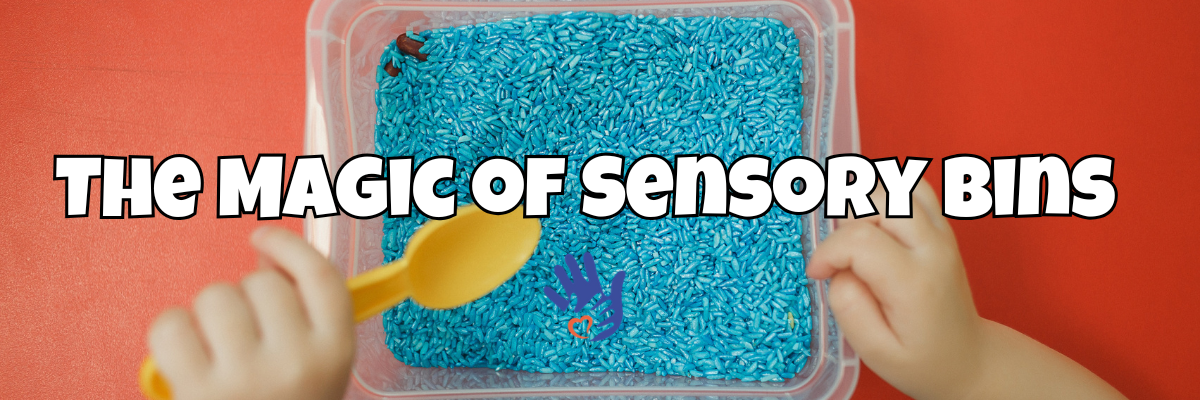
In the world of occupational therapy, sensory bins are a beloved tool used to foster creativity, play, and learning. Sensory bins are simple setups; however, they provide children with hands-on experiences to stimulate their senses, all while encouraging play. 


What is a Sensory Bin?

A sensory bin is a container filled with materials to offer diverse sensory experiences. Sensory bins can be as simple as a box filled with rice or as elaborate as a themed setup with various textures and materials. The goal of creating a sensory bin is to include items for children to explore through touch, sight, sound, and sometimes even smell or taste. 


Benefits of Sensory Bins

  1. Stimulating the Senses—Sensory bins can engage children’s senses through various materials. They can offer unique tactile experiences through different textures like beans, rice, pasta, sand, or flour. 
  2. Supporting Cognitive Development—Sensory bins can be tailored to support different learning objectives. For example, submerging alphabet letters or numbers in the bin can help children practice letter and number recognition, enhancing their skills. Sensory bins can also early literacy be a fun way to integrate learning and sensory development. 
  3. Providing opportunities for Creativity – When tailored to a specific theme, sensory bins allow creativity and imaginative play. Sensory bins are naturally open-ended, allowing the use of materials within the bin in various ways for play. 
  4. Enhancing Fine Motor Skills—Sensory bins can include various tools to encourage fine motor skill development. Items such as spoons, tweezers, and tongs allow children to develop hand strength, bilateral coordination, and hand-eye coordination. 
  5. Increasing Emotional Regulation – Sensory play is naturally calming and therapeutic, especially with sensory bins. Children can improve sustained attention and better manage their emotions with repetitive scooping, pouring, and sorting motions. Sensory bins provide a place for self-regulation and relaxation. 
  6. Fostering Social Skills – When used in a group setting, sensory bins can promote social interaction and cooperation. Learning to share materials, engage in imaginative play, and play in shared spaces are all benefits of sensory bins. 


Creating Your Own Sensory Bin

  1. Select Materials – The possibilities are ENDLESS. Common materials used in sensory bins include rice, beans, sand, and pasta. Other items could include plastic animal figurines, building blocks, or pom poms. These items can be cost effective and are often found around your home already. It is important to ensure that materials are safe and age appropriate for the age group. 
  2. Incorporating Tools – Add spoons, tongs, containers, tweezers, and other tools to enhance the play experience. 
  3. Set Up the Bin – Arrange the materials within a container. If desired, include other elements such as themed toys, letters/numbers, or activity cards. Make sure the bin is large enough for the children to explore comfortably. 
  4. Optional – Starting with a Theme – Start with a theme that interests your child and can support the current learning objectives. Themes can range from seasons to holidays to your child’s favorite show. 


How Can Carolina Therapy Connection Help?

Here at Carolina Therapy Connection, our Occupational Therapist often incorporates sensory bins into your child’s treatment sessions when appropriate. We are constantly switching out our bins with new sensory experiences for our clients. Consult with your child’s Occupational Therapist for more ideas and information about ways to include sensory bins into your child’s play routine at home. 

Sensory bins are more than just a fun play activity. They are powerful tools to support your child’s sensory development, fine motor skills, emotional regulation, social skills, and creativity. Incorporating sensory bins into your child’s play routine can help create enriching experiences! So, gather your materials, embrace the mess, and embark on a sensory adventure with your child that is both joyful and educational. 


Speech and Language Skills in the Season of Fall: Fun, Simple Language Activities

Fun Fall Activities to Promote Speech and Language Skills at Home

As the leaves change color and cooler weather arrives, we eagerly anticipate the transition to fall. With the changing of the seasons, there are new opportunities to target speech and language skills using fall-themed activities. 


Boost Speech and Language Skills with a Fall Nature Walk!

Choose your outdoor location, whether it be a backyard, park, or nature trail. Before you go outside, brainstorm a list of items that you hope to see or collect once you find them! Some ideas include: a rock, a yellow leaf, a red leaf, a twig, acorn, bird, pinecone, etc. As you walk, describe what you see, feel, and hear to provide your kids with models of descriptive words. As you discover items on your list, describe the location where you found it! For example, “I found a small, yellow leaf on the rock” or “there’s a pinecone under the tree!” This activity is an exciting and motivating way to encourage descriptive language and multi-word utterances. Once you’ve collected all your items, you can put them all in a bin/bowl to make a fall-themed sensory bin.  Your kids can enjoy their discoveries again and have more opportunities to engage with fall-themed vocabulary.


Use Fall-Themed Books to Enrich Speech and Language Skills

Your local, public library is likely stocked with many seasonal books to enjoy this time of year! Fall-themed books are great for exposing kids to relevant vocabulary. Reading to and with your child is a great way to provide meaningful language exposure, which cultivates strong language skills. Reading promotes comprehension of language and gives children great examples of vocabulary and grammar! If your child is working on specific speech sounds, chances are there are words in the book containing their sounds that can be practiced while you read! Some favorite fall-themed books are listed below.


Red Leaf, Yellow Leaf by Lois Ehlert

There Was An Old Lady Who Swallowed Some Leaves by Lucille Colandro

Goodbye Summer, Hello Autumn by Kenard Park 

When the Leaf Blew In by Steve Metzger

Fletcher and the Falling Leaves by Julia Rawlinson

We’re Going on a Leaf Hunt by Steve Metzger


Play Games that Promote Speech and Language Skills

Grab a game and play together! Playing a game is a great way to encourage social language skills such as turn-taking, perspective-taking, and interpreting nonverbal communication. They also provide practice following directions. There are many great toys and games that incorporate fall-themed vocabulary. Check out the links below for some ideas!


Sneaky, Snacky Squirrel Board Game

Alphabet Acorns

Spike the Hedgehog

Acorn Soup


Speech and language skills can be targeted in any context and with any materials! We hope these ideas encourage you and your family to enjoy the beauty of this fall season.


How Carolina Therapy Connection Supports Speech and Language Skill Development?

Do you have concerns or questions regarding your child’s communication skills or play skills? A Speech-Language Pathologist can help support your child’s speech, languagehttps://www.understood.org/, and play skills, and provide parent education that empowers you to support their communication development!


By: Laura McCall, M.S., CCC-SLP


Celebrating Excellence: Our Pediatric Therapy Company Named Best Employers of NC for 2023 and 2024!

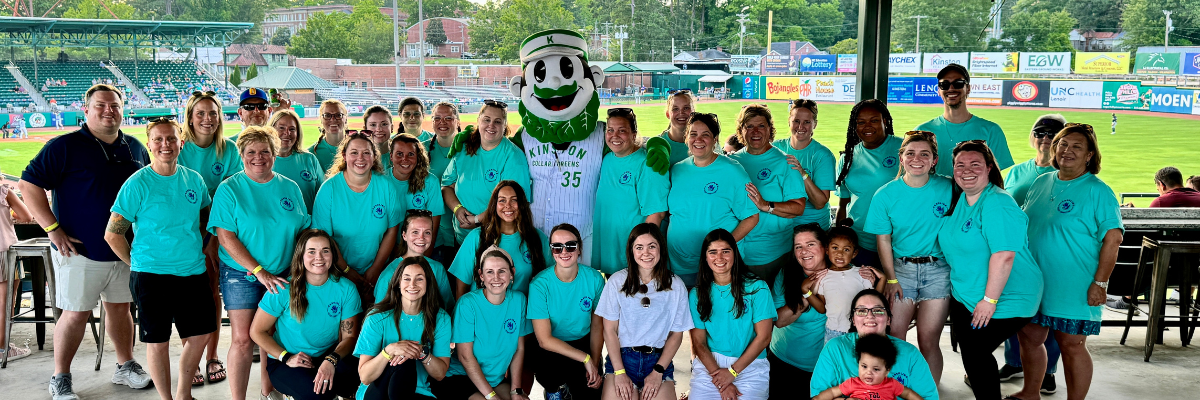
We’re excited to share great news! Our pediatric therapy company was named one of Business North Carolina’s Best Employers for 2023 and 2024. This honor reflects our team’s dedication and our commitment to serving children and families with exceptional care.

A Commitment to Excellence in Pediatric Therapy

For the past 14 years, our organization has provided a wide range of pediatric therapy services, including occupational, speech, and physical therapy, mental wellness and counseling, and educational support. In the past year and a half, we have also expanded services to adults. Our multidisciplinary approach ensures each child receives individualized care, fostering development and helping them reach their full potential.

  • Occupational Therapy: Our skilled occupational therapists help children develop the skills they need for daily living and academic success, focusing on fine motor skills, sensory processing, and more.
  • Speech Therapy: Our speech-language pathologists work with children to improve their communication skills, addressing challenges related to speech, language, and social communication.
  • Physical Therapy: Our physical therapists are dedicated to enhancing children’s mobility, strength, development, and coordination, enabling them to participate fully in everyday activities.
  • Mental Wellness and Counseling: We provide a supportive environment for children and adults to explore their emotions, develop coping strategies, and improve their mental health and well-being.
  • Educational Services: Our educational specialists offer academic testing and tutoring support for children with learning differences, helping them thrive academically.

Serving Eastern North Carolina with Dedication and Care

With locations across Eastern North Carolina and virtual speech-language services statewide, we make high-quality care convenient and accessible for children and families.

Recognized as a Top Employer

Being named one of the Best Employers of North Carolina for two consecutive years is an honor that reflects our dedication to creating a positive and supportive work environment for our staff. We believe that happy, fulfilled employees are the foundation of excellent patient care. Our team members are passionate about their work and committed to making a difference in the lives of the children and families we serve.

DataJoe surveyed Business North Carolina on essential workplace topics. It covered organizational health, leadership, engagement, work-life balance, pay, training, benefits, and corporate social responsibility.

Looking to the Future

As we celebrate this achievement, we remain focused on our mission. We provide the highest quality pediatric therapy in Eastern North Carolina.


We continually explore new ways to improve programs, support our staff, and expand our reach to serve our community better.

Thank you to our incredible team, our wonderful patients and families, and everyone who has supported us on this journey. We look forward to continuing to provide exceptional care.
We are excited to support your child’s growth and development for years to come!

Visit our website or contact us today to learn more about our services. See how we can support you and your child’s needs. Together, we can help every child reach their full potential!


https://businessnc.com/topping-the-list-of-north-carolinas-best-employers-2024/


Let’s Talk Articulation!

When Do I Bring My Child for a Speech Sound Evaluation?

As our children grow and develop speech, they don’t learn to use all the speech sounds in their native language simultaneously.  That’s why my little one tells me that “it’s dart outside” when he looks out the window after dinner these days!  But how do you know when to seek out a speech therapist for your child?  

Check out the chart below, which is available as a downloadable PDF on the SLP now website at https://blog.slpnow.com/the-slps-guide-to-speech-sound-disorders-articulation-phonological-development/; when looking at the chart, understand that some children start to develop sounds before the ages listed. The ages listed represent the age at which 90% of children have mastered each sound. For many speech sounds, there is a wide range of ages at which a child may start to produce the sound or approximations inconsistently before they truly master the sound. However, it is a quick rule of thumb that if a child cannot produce one of the sounds listed under their age, speech therapy may be indicated.


What Can I Do at Home to Help My Child with Their Speech Sounds?

So, what can a parent do to help their child develop speech sounds correctly at home? The first strategy I recommend is to make sure your child is looking at your face when you’re producing words or sounds that they had difficulty with. Draw attention to your mouth by pointing.  Children learn a lot about how a sound is produced by observing you. 

Another strategy that you can use is called recasting. Recasting is when you repeat what your child says precisely, including the errors, in a questioning voice. For example, if your child says, “Look at the tar” when they mean “Look at the car,” you might respond by saying, “Tar? Is that what you meant?” When the child attempts to correct himself or herself, if he or she cannot do so, I suggest using the first strategy we discussed.  Your child may not produce the sound at that moment, but that’s okay because they are still learning from what they see and hear from you.

I also recommend reading with your child regularly. Even if a child cannot read independently, draw their attention to some of the letters in the book, especially if the book has large decorative letters at the beginning of paragraphs. Talk about the sound the letters make, and again, ensure your child is watching your face. 

For emerging readers, phonics activities are an excellent time to work on articulation at home. While doing phonics homework with your child, could you talk about how each sound is made?  For example, the “T sound is made with our tongue on the roof of her mouth.” If you’re unsure how to describe how sounds are made, PeechieSpeechie.com has an excellent video library with tutorials for each sound.

If your child is receiving speech therapy services, their SLP will be able to provide you with additional, personalized resources.

How Can Carolina Therapy Connection Help? 

If you are still unsure or feel that your child’s speech is difficult to understand compared to others his/her age, Carolina Therapy Connection has licensed Speech Language Pathologists at the clinics in Greenville, Goldsboro, and New Bern that are highly qualified to evaluate and diagnose speech sound disorders.  You can schedule a speech sound evaluation at whichever clinic is most convenient for your family at 252-341-9944.  Our professionals can also provide personalized resources for your child’s needs. 


By Michelle Berghold