




Sensory Friendly Toys that Don’t Involve Electronics
Welcome to our exploration of the beautiful world of toys uniquely crafted for children with autism. Selecting toys for kids with autism involves a delicate dance between understanding sensory needs, promoting skill development, and, most importantly, ensuring hours of joy and engagement. In this blog, we’ll delve into a curated list of favorite toys that cater to the diverse interests and preferences of children with autism.
Sensory Toys: A Symphony of Textures and Colors:
- Fidget Toys: From stress balls to squishy toys, these tactile wonders provide a soothing sensory experience, helping children maintain focus and manage stress.
- https://www.amazon.com/Sensory-Necklace-Silicone-Teether-Pendant/dp/B07YFCP4YM/ref=sr_1_2?crid=1HYGMY625OZEX&keywords=best+toys+for+autism&qid=1702933736&sprefix=best+toys+for+autis%2Caps%2C104&sr=8-2
- https://www.amazon.com/Scientoy-Blocks/dp/B07TT6664Z/ref=sr_1_5?crid=1HYGMY625OZEX&keywords=best+toys+for+autism&qid=1702933736&sprefix=best+toys+for+autis%2Caps%2C104&sr=8-5
- https://www.amazon.com/R-Y-TOYS-Cylinder-Birthday-Present-Upgrade/dp/B08F3LMHDX/ref=sr_1_27_sspa?crid=1HYGMY625OZEX&keywords=best%2Btoys%2Bfor%2Bautism&qid=1702933736&sprefix=best%2Btoys%2Bfor%2Bautis%2Caps%2C104&sr=8-27-spons&sp_csd=d2lkZ2V0TmFtZT1zcF9tdGY&th=1
- https://www.amazon.com/4Es-Novelty-Expandable-Expanding-Breathing/dp/B07N99K84Q/ref=sr_1_57?crid=1HYGMY625OZEX&keywords=best+toys+for+autism&qid=1702933892&sprefix=best+toys+for+autis%2Caps%2C104&sr=8-57
- Light-Up Textures: Toys with vibrant lights and varied textures captivate the visual senses, creating a mesmerizing and calming effect.
- https://www.amazon.com/Squishy-Sensory-Toys-Kids-Christmas/dp/B0C7GLPYTK/ref=sr_1_8?crid=1HYGMY625OZEX&keywords=best+toys+for+autism&qid=1702933736&sprefix=best+toys+for+autis%2Caps%2C104&sr=8-8
- https://www.amazon.com/eFiDGET-Light-up-Electronic-Handheld-Multi-Sensory/dp/B0BY92751Q/ref=sr_1_7?crid=1HYGMY625OZEX&keywords=best+toys+for+autism&qid=1702933736&sprefix=best+toys+for+autis%2Caps%2C104&sr=8-7
- https://www.amazon.com/Inbeby-Round-Sensory-Textured-Tiles/dp/B0C783B8XM/ref=sr_1_29_sspa?crid=1HYGMY625OZEX&keywords=best+toys+for+autism&qid=1702933736&sprefix=best+toys+for+autis%2Caps%2C104&sr=8-29-spons&sp_csd=d2lkZ2V0TmFtZT1zcF9tdGY&psc=1
- https://www.amazon.com/PlayRoute-Memory-Electronic-Handheld-Sensory/dp/B0BKN271DX/ref=sr_1_40?crid=1HYGMY625OZEX&keywords=best%2Btoys%2Bfor%2Bautism&qid=1702933736&sprefix=best%2Btoys%2Bfor%2Bautis%2Caps%2C104&sr=8-40&th=1
Cause-and-Effect Wonders:
- Switch-Activated Toys: Introducing cause-and-effect concepts, these toys respond to a child’s actions, promoting cognitive development and understanding of basic principles.
- https://www.amazon.com/Light-Spinning-Magic-Wand-Kids/dp/B085KK5PNS/ref=sr_1_7?crid=1XHZEFFR7ZWBI&keywords=sensory+light+up+spin+toys&qid=1702933073&sprefix=sensory+light+up+spin+toys%2Caps%2C87&sr=8-7
- https://www.amazon.com/Playskool-Explore-Popper-Amazon-Exclusive/dp/B00U5U5VWM/ref=sr_1_16?crid=37IIKW1D83GEG&keywords=sensory+cause+and+effect+toys&qid=1702933101&sprefix=sensory+cause+and+%2Caps%2C94&sr=8-16
- https://www.amazon.com/Montessori-Months-Sensory-Toddlers-Birthday/dp/B0BV6C3FTT/ref=sr_1_29?crid=37IIKW1D83GEG&keywords=sensory+cause+and+effect+toys&qid=1702933101&sprefix=sensory+cause+and+%2Caps%2C94&sr=8-29
- https://www.amazon.com/BAODLON-Interactive-Light-Up-Pounding-Developmental/dp/B0875P2DLY/ref=sxin_14_pa_sp_search_thematic_sspa?content-id=amzn1.sym.d17ca69f-1a39-4f7d-a62f-e5dff4cfd6d8%3Aamzn1.sym.d17ca69f-1a39-4f7d-a62f-e5dff4cfd6d8&crid=ZZ9YBKEQPKLF&cv_ct_cx=cause+and+effect+toy+older+kids&keywords=cause+and+effect+toy+older+kids&pd_rd_i=B0875P2DLY&pd_rd_r=9496ac81-2e96-48a8-84b1-303ef2ef2c96&pd_rd_w=T6Mt9&pd_rd_wg=97sAY&pf_rd_p=d17ca69f-1a39-4f7d-a62f-e5dff4cfd6d8&pf_rd_r=HCG5VZCVNQ5R2Q7NQNP8&qid=1702933189&sbo=RZvfv%2F%2FHxDF%2BO5021pAnSA%3D%3D&sprefix=cause+and+effect+toy+older+ki%2Caps%2C104&sr=1-1-364cf978-ce2a-480a-9bb0-bdb96faa0f61-spons&sp_csd=d2lkZ2V0TmFtZT1zcF9zZWFyY2hfdGhlbWF0aWM&psc=1
- Pop-Up Play: A delightful array of toys that pop up or move in response to a child’s touch, fostering a sense of control and accomplishment.
Educational Gems:
- Puzzles: Offering a mix of challenge and satisfaction, puzzles contribute to cognitive development and problem-solving skills.
- Building Blocks: The timeless joy of building and creating, these blocks encourage imaginative play and enhance fine motor skills.
Calming Oasis:
- Weighted Blankets: Not exactly a toy, but a soothing addition to any space, providing comfort and a sense of security.
- Bubble Tubes: A mesmerizing display of bubbles and lights, creating a serene atmosphere and promoting visual focus.
- https://www.amazon.com/Playlearn-Fake-Fish-Tank-Bubble/dp/B0B1KXW1ZL/ref=sr_1_8?crid=FOO2LGGRYP74&keywords=bubble+tube&qid=1702933286&sprefix=bubble+t%2Caps%2C177&sr=8-8
- https://www.amazon.com/Jambo-16-Inch-Beautiful-Entertaining-Perfect/dp/B08KSYX8PM/ref=sxin_12_pa_sp_search_thematic_sspa?content-id=amzn1.sym.d17ca69f-1a39-4f7d-a62f-e5dff4cfd6d8%3Aamzn1.sym.d17ca69f-1a39-4f7d-a62f-e5dff4cfd6d8&crid=24SPLBFXQ33B2&cv_ct_cx=lava+lamp&keywords=lava+lamp&pd_rd_i=B08KSYX8PM&pd_rd_r=14a6ff89-7259-4fa4-8889-3ee6133d0e02&pd_rd_w=azz7w&pd_rd_wg=fKFCG&pf_rd_p=d17ca69f-1a39-4f7d-a62f-e5dff4cfd6d8&pf_rd_r=N1VSHY6VKP6K9N6CWXZM&qid=1702933310&sbo=RZvfv%2F%2FHxDF%2BO5021pAnSA%3D%3D&sprefix=lava+lamp%2Caps%2C173&sr=1-4-364cf978-ce2a-480a-9bb0-bdb96faa0f61-spons&sp_csd=d2lkZ2V0TmFtZT1zcF9zZWFyY2hfdGhlbWF0aWM&psc=1
- https://www.amazon.com/hand2mind-Express-Feelings-Essentials-Mindfulness/dp/B09NQPF7LB/ref=sr_1_11_sspa?crid=FOO2LGGRYP74&keywords=bubble+tube&qid=1702933286&sprefix=bubble+t%2Caps%2C177&sr=8-11-spons&sp_csd=d2lkZ2V0TmFtZT1zcF9tdGY&psc=1
- https://www.amazon.com/hand2mind-Relaxing-Mesmerizing-Homeschool-92419/dp/B083B13DWM/ref=sr_1_14_sspa?crid=FOO2LGGRYP74&keywords=bubble+tube&qid=1702933286&sprefix=bubble+t%2Caps%2C177&sr=8-14-spons&sp_csd=d2lkZ2V0TmFtZT1zcF9tdGY&psc=1
- https://www.amazon.com/CAILINK-Bubbler-Relaxation-Floating-Timer-Relaxing/dp/B09MJZPM66/ref=sxin_14_pa_sp_search_thematic_sspa?content-id=amzn1.sym.d17ca69f-1a39-4f7d-a62f-e5dff4cfd6d8%3Aamzn1.sym.d17ca69f-1a39-4f7d-a62f-e5dff4cfd6d8&crid=1QYVT9QSYBFL9&cv_ct_cx=sensory+bubble+tube&keywords=sensory+bubble+tube&pd_rd_i=B09MJZPM66&pd_rd_r=236b923e-c983-4c86-9c0a-704f3c81d2a1&pd_rd_w=NTIn1&pd_rd_wg=YWaLF&pf_rd_p=d17ca69f-1a39-4f7d-a62f-e5dff4cfd6d8&pf_rd_r=TK2KAVWV4G2G728ZAS9A&qid=1702933369&sbo=RZvfv%2F%2FHxDF%2BO5021pAnSA%3D%3D&sprefix=sensory+bubble+tube%2Caps%2C117&sr=1-5-364cf978-ce2a-480a-9bb0-bdb96faa0f61-spons&sp_csd=d2lkZ2V0TmFtZT1zcF9zZWFyY2hfdGhlbWF0aWM&psc=1
Communication and Social Play:
- Social Story Books: Storytelling through visual aids, these books help children navigate social situations and understand appropriate behaviors.
- https://www.amazon.com/Im-Just-Kid-Social-Emotional-Self-Regulation/dp/1737351706/ref=sr_1_10?crid=1NZMQZF0VUXHI&keywords=social+story+books+for+autism&qid=1702933392&sprefix=social+story+books%2Caps%2C92&sr=8-10
- https://www.amazon.com/Little-SPOT-Feelings-Book-25-32/dp/1951287665/ref=sr_1_12_sspa?crid=1NZMQZF0VUXHI&keywords=social+story+books+for+autism&qid=1702933392&sprefix=social+story+books%2Caps%2C92&sr=8-12-spons&sp_csd=d2lkZ2V0TmFtZT1zcF9tdGY&psc=1
- https://www.amazon.com/What-Should-Danny-Power-Choose/dp/069284838X/ref=sxin_14_sbv_search_btf?content-id=amzn1.sym.5795aee5-71f0-4369-b632-e8c78407f2cf%3Aamzn1.sym.5795aee5-71f0-4369-b632-e8c78407f2cf&crid=261V12SYII4EK&cv_ct_cx=social+story+book&keywords=social+story+book&pd_rd_i=069284838X&pd_rd_r=655d8f32-db8d-4e5f-bad6-c3b9f4955099&pd_rd_w=IjmV4&pd_rd_wg=Cp786&pf_rd_p=5795aee5-71f0-4369-b632-e8c78407f2cf&pf_rd_r=B36VFY5WR14DWV2DAS8W&qid=1702933458&sbo=RZvfv%2F%2FHxDF%2BO5021pAnSA%3D%3D&sprefix=social+story+book%2Caps%2C118&sr=1-1-5190daf0-67e3-427c-bea6-c72c1df98776
- Board Games: Structured play with clear rules, board games provide a fun way to learn social interaction and turn-taking.
Outdoor Adventures:
- Swings and Hammocks: The gentle motion of swings and hammocks can offer a calming and enjoyable experience.
- https://www.amazon.com/OUTREE-Cotton-Hammock-Indoor-Outdoor/dp/B01MQJN7OR/ref=sr_1_15?crid=3SK0N4AAGI8AN&keywords=sensory+swing&qid=1702933494&sprefix=sensory+swing%2Caps%2C101&sr=8-15
- https://www.amazon.com/Aokitec-Hardware-Adjustable-Aspergers-Integration/dp/B07XCJL4QD/ref=sr_1_1_sspa?crid=3SK0N4AAGI8AN&keywords=sensory%2Bswing&qid=1702933494&sprefix=sensory%2Bswing%2Caps%2C101&sr=8-1-spons&sp_csd=d2lkZ2V0TmFtZT1zcF9hdGY&th=1
- https://www.amazon.com/CO-Z-Hanging-Hammock-Outdoor-Upgraded/dp/B071FT2K9N/ref=sr_1_48?crid=3SK0N4AAGI8AN&keywords=sensory%2Bswing&qid=1702933494&sprefix=sensory%2Bswing%2Caps%2C101&sr=8-48&th=1
- https://www.amazon.com/Taleco-Gear-Hammock-Heavy-Duty-Multi-Use/dp/B08MZNQR2Q/ref=sr_1_9?crid=3QQE19N9HX2T5&keywords=indoor%2Bswing&qid=1702933544&sprefix=indoor%2Bswin%2Caps%2C90&sr=8-9&ufe=app_do%3Aamzn1.fos.18ed3cb5-28d5-4975-8bc7-93deae8f9840&th=1
- https://www.amazon.com/Giant-Outdoor-Platform-Swing-Waterproof/dp/B07TWRBLT5/ref=sr_1_1_sspa?crid=POG0Z1CVOTJV&keywords=platform+swing&qid=1702933607&sprefix=platform+swing%2Caps%2C92&sr=8-1-spons&ufe=app_do%3Aamzn1.fos.18ed3cb5-28d5-4975-8bc7-93deae8f9840&sp_csd=d2lkZ2V0TmFtZT1zcF9hdGY&psc=1
- https://www.amazon.com/PACEARTH-Capacity-Adjustable-Multi-Strand-Colorful/dp/B07CSL91V5/ref=sr_1_3_sspa?crid=POG0Z1CVOTJV&keywords=platform%2Bswing&qid=1702933607&sprefix=platform%2Bswing%2Caps%2C92&sr=8-3-spons&ufe=app_do%3Aamzn1.fos.18ed3cb5-28d5-4975-8bc7-93deae8f9840&sp_csd=d2lkZ2V0TmFtZT1zcF9hdGY&th=1
- Trampolines: Combining physical activity with sensory input, trampolines are a fantastic outlet for energy and excitement.
- https://www.amazon.com/CLCLORIS-38-Inch-Trampoline-Rebounder-Suitable/dp/B08JHW9292/ref=sr_1_1_sspa?crid=H47QW4MN53B3&keywords=indoor%2Btrampoline&qid=1702933633&sprefix=indoor%2Btrampoline%2Caps%2C97&sr=8-1-spons&sp_csd=d2lkZ2V0TmFtZT1zcF9hdGY&th=1
- https://www.amazon.com/ANCHEER-Trampoline-Parent-Child-Adjustable-Handle/dp/B071ZMQK2D/ref=sxin_14_pa_sp_search_thematic_sspa?content-id=amzn1.sym.d17ca69f-1a39-4f7d-a62f-e5dff4cfd6d8%3Aamzn1.sym.d17ca69f-1a39-4f7d-a62f-e5dff4cfd6d8&crid=H47QW4MN53B3&cv_ct_cx=indoor%2Btrampoline&keywords=indoor%2Btrampoline&pd_rd_i=B071ZMQK2D&pd_rd_r=01e01d46-2f9c-4a29-b82d-b9b546667392&pd_rd_w=9WRpl&pd_rd_wg=lsoTG&pf_rd_p=d17ca69f-1a39-4f7d-a62f-e5dff4cfd6d8&pf_rd_r=XEVWZCAZ22BS240KSYPE&qid=1702933633&sbo=RZvfv%2F%2FHxDF%2BO5021pAnSA%3D%3D&sprefix=indoor%2Btrampoline%2Caps%2C97&sr=1-5-364cf978-ce2a-480a-9bb0-bdb96faa0f61-spons&sp_csd=d2lkZ2V0TmFtZT1zcF9zZWFyY2hfdGhlbWF0aWM&th=1
- https://www.amazon.com/Skywalker-Trampolines-Mini-Bouncer-Enclosure/dp/B0064G8N3K/ref=sr_1_6?crid=H47QW4MN53B3&keywords=indoor%2Btrampoline&qid=1702933633&sprefix=indoor%2Btrampoline%2Caps%2C97&sr=8-6&th=1
- https://www.amazon.com/SereneLife-Portable-Foldable-Trampoline-Home/dp/B0774YTV59/ref=sr_1_10?crid=H47QW4MN53B3&keywords=indoor+trampoline&qid=1702933633&sprefix=indoor+trampoline%2Caps%2C97&sr=8-10
- https://www.amazon.com/AOTOB-Trampoline-Safety-Enclosure-Outdoor/dp/B0BBLD3T64/ref=sr_1_5?crid=2SNC0DMK2BCX4&keywords=outdoor%2Btrampoline&qid=1702933698&sprefix=outdoor%2Btrampoline%2Caps%2C136&sr=8-5&th=1
Artistic Expression:
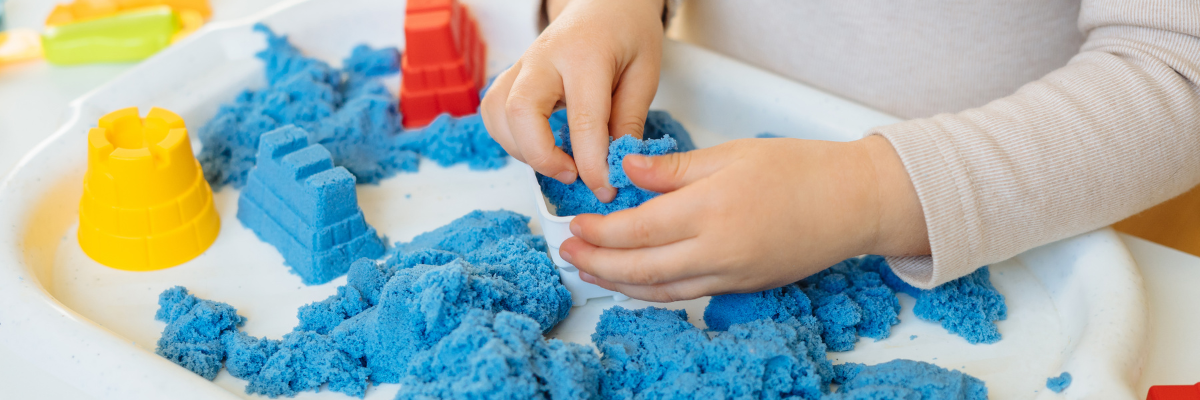
- Playdough Fun: The joy of squishing, molding, and creating with playdough offers a satisfying tactile experience.
- Markers and Crayons: Encouraging creativity, drawing, and coloring provide an expressive outlet for children with autism.
Choosing toys for kids with autism is a personalized journey that requires attention to individual preferences and needs. The toys mentioned above are just a glimpse into the vast array of options available, each offering a unique way to engage, inspire, and bring joy to children on the autism spectrum. As you embark on this exploration, remember to observe, communicate, and, most importantly, have fun discovering the perfect toys for your child’s unique world. Check out our specially curated Amazon Storefront for more toy suggestions!