



Contact Us Make a payment Check In

Down Syndrome Awareness Month!

October is filled with so many exciting things, the start of fall weather and holidays approaching; but did you know that October is also Down Syndrome Awareness Month? Established for over 40 years, it is a time to recognize and celebrate our friends with Down Syndrome and the amazing abilities they have!


What is Down Syndrome?

Down Syndrome is often called Trisomy 21, though there are actually three types: trisomy 21 (nondisjunction) which makes up 95% of cases, translocation (4%), and mosaicism (1%). It occurs in approximately 1 out of every 691 births, and more than 400,000 people are living with Down syndrome in the United States. These individuals are born with an extra copy of the 21st chromosome. They are able to work, go to school, develop meaningful relationships, make their own decisions, and participate in society however they wish! According to the National Down Syndrome Society, “Quality educational programs, a stimulating home environment, good health care, and positive support from family, friends, and the community enable people with Down Syndrome to lead fulfilling and productive lives.”


You are welcomed here!

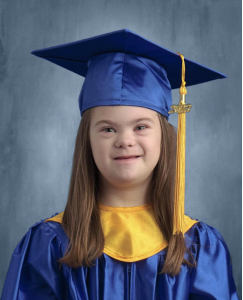
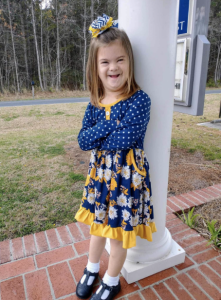
Here at Carolina Therapy Connection, we are honored to serve our families who have children with Down Syndrome! One of our special friends, Hannah Hill, has made tremendous progress in her therapy. Her mother stated, “Because Hannah is very verbal, people often ask me if she has a ‘mild’ case of Down Syndrome. It’s not commonly known that there is no ‘spectrum’ of Down Syndrome! You either have it or you don’t! While the extra chromosome does impact their lives, people with Down Syndrome are unique, and have their own strengths and weaknesses. They have physical features, personality traits, abilities, challenges, interests, successes, and failures just like everyone else!”  

Hannah: Age 8
 

How can therapy help?

  • Speech therapy services provided by a speech-language pathologist reap great benefits. Many children with Down syndrome develop language later than same-age peers. Low muscle tone could also impact the ability to produce speech sounds accurately, and therapy is paramount to helping a child develop the ability to confidently and effectively communicate their thoughts, feelings, wants, and needs. SLPs can provide assistance with prelinguistic and oral-motor skills, as well!
  • Physical therapy can help a child with Down Syndrome starting at a young age to increase strength and gross motor development. From rolling and sitting, to developing an efficient walking pattern, and even participating in sports, physical therapy can make a huge difference in a child’s life. In a physical therapy session, our PT’s will focus on things such as: gross and fine motor development, balance, coordination, and age-appropriate daily living skills. 
  • Occupational therapy can assist people with Down Syndrome in learning to complete many everyday tasks. Occupational therapy will provide support specifically in three areas, motor, cognitive, and sensory integration. Specifically, an occupational therapy session may include activities that promote self-care, fine motor, play, and social skills!


A Total Communication Approach 

Many parents are excited to begin therapy and learn ways to promote and enhance communication for their children. According to our colleagues at the Boston Children’s Hospital Down Syndrome Program, a Total Communication Approach can be beneficial! The Total Communication Approach means using any functional means of communication; this could include: verbal speech, ASL, gestures, pictures, and/or simple or high-tech communication devices. Many children with Down syndrome are visual processors, and the goal of Total Communication is multi-sensory (i.e., visual, auditory, tactile, etc.) in order to encourage any form of expression. What are some ways to facilitate this approach at home?

  • Visual input: Pointing to objects and pictures that you are naming or describing. 
  • Use sign language for basic words (eat, want, bath, play, etc.). Research shows using signs increases understanding and offers an additional method for communication. 
  • Incorporate music into pretend play.
  • Joint book reading. Follow your child’s lead!


How can Carolina Therapy Connection help?

Children with Down Syndrome often benefit from therapy from skilled professionals, including speech-language pathologists, occupational therapists, and physical therapists. At Carolina Therapy Connection, our treatment is highly individualized to your child’s needs. A standardized assessment will be administered to detect any delays, and our therapists will work with you and your child to develop a plan for enhancing skills to  build confidence across all social environments (home, school, social groups, etc). If you have any concerns or questions regarding your child’s development, call our clinic at (252) 341-9944.

By Ashley Holloway, MS, CCC-SLP, CAS

Is My Child Ready For Potty Training?

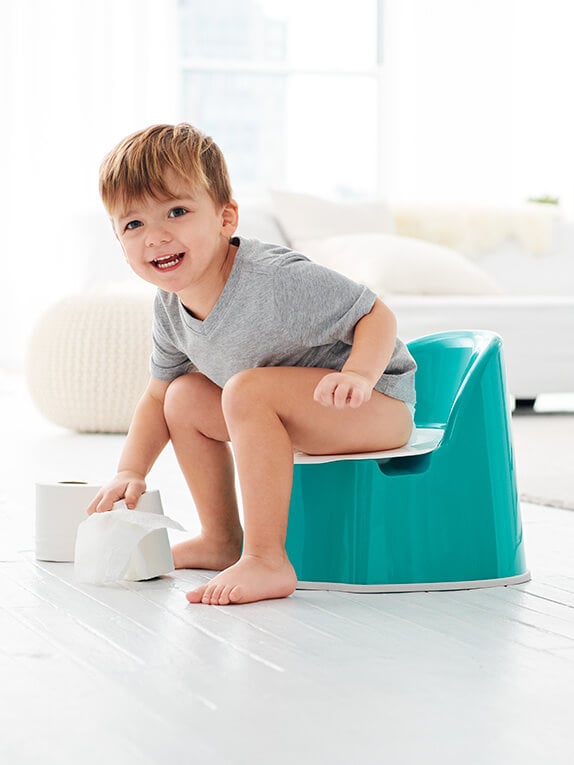
Is My Child Ready For Potty Training?

Many parents ask the question, “Is my child ready for potty training?” Making the transition out of diapers is an important developmental milestone but it can also be a topic that causes frustration and anxiety for both children and their caregivers. Questions about when to start and how to promote a child’s success with potty training can feel overwhelming. If you are a caregiver that can relate to any of those feelings, this blog post is for you!

When Should I Start Potty Training?

This is a question that many caregivers ask themselves. A variety of factors must be considered before initiating the toilet training process. A child must be physically, emotionally, cognitively, and physiologically ready prior to  starting the process. Here are some tips to identify whether your child may be ready:

Emotional readiness – Can your child tolerate sitting on the toilet or potty training seat? Are they excited about wearing “big kid” underwear?

Cognitive readiness: Can your child follow 1-2 step directions? Can they communicate their need to use the restroom?

Physiological readiness: Are they able to stay dry up to two hours at a time or wake up from a nap with a clean pull-up?

Physical readiness: Is your child able to sit on a toilet or potty training seat without assistance? Can they get on and off the toilet with little to no assistance? Can they assist with managing their clothing during toileting tasks?

potty training, occupational therapy, tips and tricks of potty training

If you have said yes to the majority of the above questions, then your child may be ready to begin potty training! 

At what age can I expect my child to start potty training?

 The following list includes general guidelines to help establish a baseline of where a child might be on their journey towards potty training. However, each child has a different timeline in which they are emotionally, physically, cognitively, and physiologically ready for potty training. It is vital that you never push a child towards progressing through the developmental sequence. If you see meltdowns or signs of regression, it may be best to take a break and try again at a later time.


Developmental Sequence for Toileting:

1 year – Children indicate that they are wet/soiled through non-verbal signs of distress

2 years – Child begins to tolerate sitting on the toilet

30 months – Child communicates that they need to use the bathroom and will likely require assistance with managing their clothing and wiping

3 years – Children will initiate using the toilet independently. They may attempt to wipe but continue to require assistance for thoroughness. 

4-4.5 years – Children may have a few accidents. They are able to manage their clothing independently. 

5 years – Child is able to complete a full toilet routine independently, including washing and drying their hands. 

5-7 years – Children are consistently able to stay dry throughout the night. 


Tips to Help Progress Through the Potty Training Process

  • Make potty training FUN!

Whether it is the sound of the toilet flushing or the new environment, some children may have a fear of sitting on the toilet. If a child is anxious, they may be hesitant to sit on the toilet or may not even tolerate sitting on it. One method to help ease this transition is to allow the child to play with their favorite toys while sitting fully clothed on the toilet. Another method to make potty training fun is to invite the child into the process. You can do this by allowing the child to pick out their underwear and ask them to choose their potty seat. This helps address their newfound need for autonomy and allows them to take pride in the potty training process. 

  • Consistency is key. 

Establishing a consistent routine will help minimize a child’s accidents and increase their likelihood of using the toilet successfully. A general guideline is to prompt the child to sit on the toilet as soon as they wake up, after naps, and in two hour intervals throughout the day. Encourage your child to sit on the toilet for a few minutes at a time. It can be helpful to read a story to them while on the toilet or provide them with a preferred toy to make this time fun and engaging.

  • Know the signs. 

If a child is squatting, holding their genital area, or fidgeting, they may need to use the bathroom. Prompt the child to sit on the toilet when these signs occur. This can help the child become familiar with these signals to increase their ability to identify these signs as well. 

  • Celebrate the small victories. 

It is important that parents and caregivers build up a child’s confidence and self-efficacy during the potty training process. Caregivers can do this by providing their child with positive praise and celebrating the small victories! Some examples of this include praising their child for sitting on the toilet, communicating that they need to use the bathroom, successfully using the toilet, and completing all other steps in the toileting sequence (ex. Pulling up their pants, flushing the toilet, washing their hands). Sticker charts can also help motivate children to use the bathroom by providing them with a tangible reward to work towards!

  • Know there will be accidents. 

In combination with Point 4 above, it is important to know that accidents will happen and how to respond when they do. Never punish a child for soiling their clothing. Instead, always be prepared with an extra set of underwear or clothing, especially when going out in the community. 

You can find more tips on the potty training process here!


How can Carolina Therapy Connection Help?

If your kiddo struggles with self-regulation, completing their daily activities, or meeting developmental milestones, call our clinic at (252) 341-9944! Your child may benefit from an occupational therapy screening or formal evaluation!

Blog By: Emily Britt, OT

Does My Child Have Dyslexia?

What is Dyslexia?

Dyslexia targets about 15-20% of our population! Most of us may not even know we are dyslexic. We could continue our lives undiagnosed and seek little to no help with this problem. Many people with Dyslexia that have been evaluated struggle with academics, self-esteem, and most importantly, they struggle with reading/writing within their own home and in the school environment. Many adults with this diagnosis have difficulties with finding or obtaining employment and causes them to lose self-confidence. Dyslexia is a type of learning disability, specifically reading, but not to be compared with low intelligence. There are many types of disabilities that involve learning, but dyslexia meaning is more in-depth of someone having issues with learning to read, although they are most likely educated enough to learn when want to learn. 

What are the symptoms of dyslexia before and at school age?

When it comes to signs of Dyslexia, it can be difficult to visually see a child’s symptoms before they reach a certain age or start going to school. There’s a high chance that the child’s educator will notice an issue before the caregiver. 

Here are some signs of Dyslexia:

  • The child will have difficulties with letter reversals; (b and d) and/or word reversals (was and saw).
  • Your child could be a late talker.
  • Problems processing and understanding what is heard
  • The child may have difficulties with reading aloud and learning new words and an age-appropriate pace; the child may avoid activities that involve reading
  • The child may mispronounce words; or form words incorrectly, such as reversing sounds in words or confusing words that sound alike.
  • The child may have trouble with rhyming words and remembering nursery rhymes
  • Difficulties with math word problems.
  • Difficulties with understanding jokes, punchlines, sarcasm, and inferences.
  • Your child may have difficulties with following a written outline of directions or telling directions.
  • Difficulties with spelling, learning to read, and recalling names or words.

What Causes Dyslexia? 

Dyslexia is not a disease. It is a neurological condition caused by the way the brain is wired up enabling reading and writing causing the individual to result in utilizing coping strategies to adapt to normal environments. Studies show that an individual born with this condition are neither more nor less intelligent than the general population. Research has shown that dyslexia is one of the most common inherited neurological disorders an individual is born with. Even though it affects how the brain processes reading and language, most children have average or above-average intelligence; therefore, work extremely hard to achieve and overcome their reading problems.

What should you do if you suspect or if your child has Dyslexia?

Have a conversation with your healthcare provider and discuss your child’s reading level if you or his/her teacher notice a below-level reading status for your child’s age or if you notice other signs of dyslexia. Fortunately, with the proper assistance, most kids who are dyslexic can learn to read and develop strategies that allow them to stay in the regular classroom. If you suspect you or your child may be dyslexic, early detection and evaluation to determine specific needs and appropriate treatment can improve success. In many cases, treatment can help children become competent readers. It’s important to set an example and support your child with goals that are attainable. Show your child that reading can be enjoyable.

Set Goals for yourself and the child:

  • As a parent, you should play a key role in helping your child succeed. 
  • You can assist your child by reading aloud to them while they are young, then transition to reading together when they’re old enough. 
  • You can also listen to recorded books with your child. 
  • Collaborate with your child’s educator. 
  • Engaged in creating a schedule for reading time. 

How can Occupational Therapy help?

Pediatric occupational therapists and certified occupational therapy assistants can encourage children to participate in meaningful tasks within the school and home environments. Therapists can assist in managing dyslexia and assist in increasing children’s confidence and participation in reading and writing tasks. Occupational therapy for kiddos really focuses on building confidence and implementing client-centered care for the child and their families. OT’s can provide strategies for home and school such as: 

  • Implementing multi-sensory approaches – using other senses to approach learning such as seeing, listening, doing, and speaking).
  • Visual prompts: Providing visual prompts for both instructions and organization.
  • Visually sequencing tasks (or components within a task) using visual cues. 
  • Use of colored lines and templates to assist with line placement and letter sizing.
  • Visual strategies to assist with reading and spelling such as colored coding paper size according to letter size.
  • Using modeling techniques rather than only giving a simple verbal instruction
  • Letter formation practice


Written By: Carlos Guilford

Why Is Food Play Important For Picky Eaters?

What Is Food Play? 

As a child, most of our parents would tell us not to play with our food…well, sometimes playing with food is a great benefit for children. 

Food play is an important sensory play activity for children with sensory defensiveness and those that are picky eaters. This type of play can be fun and a non stressful way for children to explore different foods using all of their senses. Children gain skills through play-based learning. Food play is a great opportunity for children to explore and learn about foods and over time become comfortable with interacting with the foods. Not only does food play increase exposure to different foods, it improves fine motor skills for self-feeding, imaginative play, family interaction, and increases vocabulary to help describe foods.

Food Play Activities: 

  • Pretending to make a meal for you, their dolls or friends.
  • Having a tea party with dolls or parents.
  • Playing restaurant
  • Using a paint brush and paint with puree food
  • Using tongs to play with cooked noodles
  • Cutting foods with knife or a cookie cutter
  • Simon Says with food (placing food on different parts of the body, make it dance, make a noise, take a bite, etc.)
  • Making a sensory box out of cereal or dried noodles
  • Drawing with shaving cream, apple sauce, or pudding with their finger
  • Driving cars and digging through rice, beans, or dried noodles
  • Cutting foods into small pieces to feed to toy animals

Great Tips for Setting Up Food Play Activities: 

During food play, go with the pace of the child. Do not force your child to do food play. It should be a positive and low-pressure activity. Present foods with different colors, shapes, sizes, and textures. You can present foods during food play that you would like your child to eventually eat. It is important that food play should not be engaged in the child’s regular mealtime environment. Conduct it outside, on the floor with a blanket, activity table, etc. During food play, it is okay if the child denies eating the food that is being presented. Remember the goal is to expose the child to these foods not consumption. You can model eating the foods but try not to pressure your child into eating.

How Can Carolina Therapy Connection Help?

In addition to utilizing the tips above at home, we know that sometimes children need an extra push to expand their food repertoire. At Carolina Therapy Connection, our occupational and speech therapists provide feeding therapy that uses a collaborative approach to work closely with you and your child to determine the source of a child’s feeding difficulties, and develop specific intervention plans to make the entire eating process easier and more enjoyable. Often times, feeding therapy happens on a weekly basis and may consist of working on difficulty with trying new foods, chewing, swallowing, sensory issues, irritability at meal time and so much more. Our goals are to broaden your child’s scope of foods, teach them the benefits of healthy eating, and develop oral motor skills needed for optimal growth and nutrition.

Our Occupational Therapists take a sensory-based feeding approach to therapy.  They focus on: oral motor skills, sensory sensitivities, progressing through food textures, and using adaptive equipment and tools to develop self-feeding skills. They also use a process called food chaining, which is a child-friendly treatment approach that helps introduce new foods while building on the child’s past successful eating experiences. In this process, the child is presented with new foods that may be similar in taste, temperature, or texture to foods the child already likes and accepts. Our occupational therapists are certified in the SOS Feeding Approach, a nationally and internationally recognized approach for assessing and treating children with feeding difficulties.

Our feeding therapists have 15-20 years of experience with children of all ages and a variety of feeding disorders. They have certifications in SOS and AEIOU approaches and significant training from around the country on feeding approaches, treatment strategies, and focused plans. We also having consistent collaboration with other professionals in the community to guarantee the best care. Call our clinic at 252-341-9944 for a free phone screening with one of our feeding therapists and schedule an evaluation today!

Our Fall Programs – Greenville

Our Fall 2023 Programs

We had such an awesome response to our Summer camps this year, so we are so excited to announce our upcoming Fall programs for 2023! Carolina Therapy Connection’s group programs are open to all individuals that fall within the posted age range. Please contact us if you feel like your child would benefit from being in a group with children younger or older than them. Age ranges are posted to ensure all children can participate and engage in activities chosen for that specific program.


Sports Skills Program – SIGN UP HERE

Sports Skills Program Carolina Therapy Connection Greenville, NC

Join us for our sports skills program that will help encourage your child to join their peers in playing sports by covering the basics. In this program, your child will work alongside our physical therapist and ECU PT students to work on the foundations of sports skills including, kicking, catching, throwing, higher level balance, agility, and hand-eye coordination.

Ages: 7-12 years old

6 Week Program – Tuesday, September 12th – Tuesday, October 17th

Every Tuesday Afternoon: 5:00 PM – 6:00 PM


AACepting Voices (Augmentative and Alternative Communication Program) – SIGN UP HERE

AAC Program Carolina Therapy Connection Greenville, NC

Work alongside our SLPs to help you and your child navigate through all aspects of Augmentative and Alternative Communication (AAC). Join us for our group program to help educate and promote the use of AAC devices while building community with other families and friends!

Ages: 4-6 years old

6 Week Program – Monday, September 18th – Monday, October 23rd

Every Monday Afternoon: 4:00 PM – 5:00 PM


Social Skills Program – SIGN UP HERE

Social Skills Program Carolina Therapy Connection Greenville, NC Fall 2023

Ages: 3-5 years old

6 Week Program – Friday, September 15 – Friday, October 20th

Every Friday Morning: 9:30 AM -10:30 AM


Fall Programs Carolina Therapy Connection Greenville, NC

Teaching Kids Independence With Life Skills

Chores or Life Skills?

Kiddos may ask themselves this question: Why do I have to do these chores? Here at CTC, we call chores “Life Skills” because that is simply what they are. Although not always the most preferred thing for your child to do, washing dishes, washing clothes, making the bed, vacuuming, sweeping, mopping, grocery shopping, cooking, and many more are essential life skills that are necessary when becoming an independent adult. Not only are they necessary, they are also very helpful for the development of time management skills, executive functioning, sensory regulation, and even emotional regulation. 

You may be wondering how you can gauge what skills are appropriate for your child. Below is a short list of age appropriate chores to get you started based on your child’s age:

Life Skills for 2-3 years old

  • Picking up toys
  • Wiping up a mess (wiping off the counter after eating or messy play)
  • Putting laundry in the hamper after taking off dirty clothes

Life Skills for 4-5 years old

  • Making the bed (even if it is assisting you with the task!)
  • Starting simple meal preparation (putting thing into bowls, stirring, etc.)
  • Helping wash/rinse dishes

Life Skills for 6-8 years old

  • Feeding pets
  • Vacuuming, sweeping, mopping
  • Folding laundry/putting away own clothes

Life Skills for 9-12 years old

  • Prepare simple meals (heating up a hot pocket, TV dinner or oven pizza)
  • Taking out garbage
  • Cleaning areas of the home other than own bedroom (bathroom, living room, outdoor areas)
  • Helping make a shopping list and helping to find items in the grocery store

13-18 years – Include all listed above with increased to total independence!

So your child may be age appropriate for the tasks at hand, but what if you wonder whether they are developmentally, emotionally, physically or cognitively appropriate for the task at this age? Recently CTC held a Life Skills camp with 4 days of fun while completing tasks that increase independence within the home environment. The kiddos in this group worked on grocery shopping, meal preparation, cleaning up after themselves, household life skills, taking care of pets and plants, team work and communication. During the camp, each child was asked to review their skills and determine the toughest part of doing “chores”. The #1 answer was time management and feelings of overwhelm when presented with multiple tasks to complete. We all worked to develop either written or visual (picture) schedules for each kiddo to take home to aid in these concerns, making getting these life skills done easier and less frustrating!

Talk to your child’s occupational therapist to see if these could be options to help your child regulate their emotions, plan their time with greater efficiency and learn new skills after mastering current ones! If your kiddo struggles to complete their daily activities, call our clinic at (252) 341-9944! Your child may benefit from an occupational therapy screening or formal evaluation!


Here is 2 recipes of foods that were made during the camp:

  1. Rice Kripsy Treats – The Original Rice Krispies Treats™ Recipe | Rice Krispies® 
  2. Soup (written by a kiddo in the camp)

Ingredients

  • 3-4 boneless chicken thighs
  • 1 medium onion
  • 3 carrots, sliced
  • 2 chicken stock boxes
  • 1 small rice pack (boil in a bag)
  • 1 can black beans

Add a pinch of…

  • Pink Himalayan Salt
  • Chili powder
  • Seasoned Salt
  • Black pepper
  • Red pepper flakes

MIX TOGETHER IN A SMALL BOWL

Steps:

  1. Make the rice according to directions on the rice bag
  2. As the rice is cooking, cut chicken into 1 inch cubes
  3. Sprinkle seasoning onto chicken
  4. Cut carrots and onion into preferred size and cook until preferred texture
  5. Cook the chicken until done in saucepan
  6. Once all ingredients are finished, combine with stock in a pot and boil for 2-5 minutes
  7. Simmer for 10-15 minutes
Written By: Shelby Godwin, COTA/L, AC 
TEACHING CHILDREN LIFE SKILLS Carolina Therapy Connection Greenville Goldsboro New Bern NC

CTC Ranked in North Carolina’s ‘Best Employers 2023’

Who ranks North Carolina’s Best Employers of 2023?

Carolina Therapy Connection is now ranked one of North Carolina’s Best Employers of 2023, who were ranked by market research company DataJoe in four categories! DataJoe created and implemented a survey that polled employers and their employees. The survey covered essential workplace topics, including organizational health, leadership, engagement, work-life balance, pay, training, benefits and corporate social responsibility.

See Our Ranking Below Under ‘Medium Sized Employers’


Best Employer 2023 Carolina Therapy Connection

See the FULL issue of Business North Carolina’s annual list of Best Employers HERE

What sets Carolina Therapy Connection apart from other Employers?

Carolina Therapy Connection is a therapist-owned, growing private pediatric outpatient practice with sensory clinic locations in Greenville, Goldsboro, and New Bern, North Carolina.  For the past 12 years CTC has been providing OT, PT, ST, and educational services to children of all ages and diagnoses including: autism spectrum disorder, sensory processing disorder, cerebral palsy, feeding disorders, and developmental delay. Children are served within our newly expanded, state-of-the-art sensory clinics, within the community, and within school settings. In 2023 we added Mental Wellness and Counseling to the umbrella of services CTC offers.

Carolina Therapy Connection is the first outpatient therapy clinic Certified Autism Center™  (CAC) in Eastern North Carolina. Carolina Therapy Connection covers the cost of all staff to complete this professional certification within their first year of hire. Our culture at CTC is faith-based, built around serving others while creating a fun and exciting place to work that will motivate you! 

Just a few reasons to join our team …

  • Competitive Compensation with weekly and monthly incentive bonuses (salary or pay per visit- based on yourpreference and goals!)
  • Flexible schedules perfect for therapists with families (all staff choose their own schedule- what works best for you?)
  • Fun, social clinic setting with company sponsored events every month (team building, potlucks, snack bars, ice cream socials, etc!)
  • Prizes that reward team members who carry out our core values and supportive culture (monthly core value cash prizes!)
  • Multi-disciplinary setting with supervision and mentorship programs to help you grow and based upon the support you need!
  • Supportive, faith-based culture that values teamwork as well as individual team member goals (meetings on a monthly and quarterly basis to check in on your personal and professional growth!)
  • Opportunity for growth within the company including management and leadership opportunities (clinical and administrative ladder programs)
  • Web-based, electronic documentation system (document anywhere that suits you!)
  • Simple IRA with retirement matching (no vesting period!)
  • Health, vision and dental group insurance through BCBSNC with Company contribution
  • Disability insurance
  • Life insurance and Employee Assistance Program (free mental health/wellness services) paid 100% by employer
  • PTO and all major holidays observed (let’s hear it for no weekends or holidays!)
  • Continuing education compensation and company sponsored CEU opportunities
  • We invest in every team member to receive credentialing as an Certified Autism Specialist or Autism Certificate through the IBCCES certification program
  • We credential all of our interested clinicians in becoming certified in the Interactive Metronome treatment modality
  • Private offices for speech language pathologists (and SLP assistants)
  • Clinical Fellowship program with close mentorship and training
  • Relocation assistance and sign on/retention bonuses for certain positions
  • Annual licensing fees and professional liability costs covered
  • Referral bonuses
  • Travel reimbursement
  • Computers and other technology options (iPads) for each employee
  • 15,000 sq.ft. clinic with state of the art sensory spaces for enhanced therapy experiences
  • All treatment equipment and assessments provided by company
  • Amazing administrative staff that handle all scheduling, billing and insurance authorizations (YES… Let’s hear it for less time spent documenting!)
  • A variety of settings offered based on clinician preference (schools, homes, daycares, clinic)

Interested in joining our team? Head over to our Careers Page to apply NOW!

CTC Best Employer 2023

Why Does My Child Put Everything In Their Mouth?

What is Oral Sensory Seeking?

Oral Sensory Seeking is the constant desire or need for a child to place objects in or touch their mouth. Children who have an oral fixation usually feel the need to constantly chew or suck on something. Depending on the age of the child, this may or may not be appropriate. As a parent, this can be difficult to navigate, especially due to the risk of choking on small objects. We know it is impossible to have eyes on your child every minute and scary to feel like you need to keep everything picked up off the floor and out of reach at all times. The oral stage of development that happens from birth to 21 months involves an infant’s pleasure center being focused on the mouth and lips, which are used for sucking and feeding. This is the age when the infant puts everything in the mouth—from hands, fingers, wrists, toys, pacifiers, clothing, blankets … just about anything within hands reach. One of the first prominent objects the baby’s mouth becomes accustomed to is a mother’s breast, for milk. In this blog, we will explore some of the reasons why your child may continue seeking additional oral sensory needs when it is no longer age-appropriate and activities to help them with this behavior.

What are Oral Sensory Seeking Behaviors?

When a child chews, mouths, sucks, or bites non-edible objects and/or edible objects frequently, we will call this an oral sensory seeking behavior. It can also involve harmful behaviors like biting. Some children who are seeking out oral and tactile (touch) sensory input will bite parts of their body, such as the arms, legs, feet and hands. Although oral seeking behavior can help children regulate their bodies and emotions at times, it can also prevent children’s learning if the child is constantly looking for objects to put in their mouth, or cause harm when they bite or suck on themselves. If children are distracted by finding objects or fixated on this behavior, it can affect their ability to focus at school or on an activity at hand.

Here is a list of common oral sensory seeking behaviors:

  • Excessive or frequent licking and/or chewing of random objects or toys
  • Excessive or frequent chewing of soft items or clothing (shirt sleeves, bed sheets, blankets, stuffed animals)
  • Biting toys or people, especially when unprovoked or when overly excited
  • Chewing the inside of the cheeks or biting/sucking on lip
  • Biting nails
  • Grinding teeth
  • Stuffing mouth with food or holding food in mouth for a long period of time
  • Drooling or spitting purposefully

How Can I Help My Child With Oral Sensory Behaviors?

Although there are a variety of ways to provide oral sensory input to children in a safe way and to replace oral sensory behaviors.. no child is the same when it comes to the solution. Our occupational therapists at Carolina Therapy Connection recommend that you experiment with these activities as part of your child’s sensory diet and notice what tends to calm, alert, and/or regulate them.

Create a FREE sensory diet with this template from “Your Kids Table” HERE!

Oral Sensory Seeking – Chewing Activities

  • Chewing crunchy foods, chewy foods, gum etc.
  • Use a chewy jewelry or other sensory chew toys

  • Vibrating chew toys (for kiddos who need that extra sensory input!)

Various Activities for Sensory Input

  • Blowing bubbles or blowing up balloons
  • Suck on sour candies, lollipops, ice cubes, etc.
  • Clicking tongue
  • Drink various textures through a straw (apple cause, milkshakes, yogurt, pudding, etc.)
  • Whistles, party blowers, kazoos, harmonicas, pinwheels etc.
  • Make a bubble mountains with dish soap and water

Bubbles Oral Motor Activities

How can Carolina Therapy Connection help?

Occupational therapy addresses any barriers that affect someone’s physical, mental and emotional wellbeing, which includes sensory integration difficulties. Sensory integration refers to how your body recognizes, processes, and responds to information received by our sensory systems on an individual and combined level.This includes our traditional 5 senses, sight, touch, taste, smell, and hearing; however, we also have proprioceptive and vestibular sensory systems. Often times, oral sensory processing or seeking difficulties are paired with other sensory system difficulties. Occupational therapists use sensory integration therapy by exposing a child to sensory stimulation in a structured and organized way. The goal of sensory integration therapy is to adapt the child’s brain and nervous system to process sensory information more efficiently.

At Carolina Therapy Connection, we offer Sensory Integration Therapy and play-based treatment intervention that is specifically designed to stimulate and challenge all of the senses. Sensory Integration involves specific sensory activities (swinging, bouncing, brushing, providing oral sensory input and more) that are intended to help your child regulate his or her response to incoming sensory input. The outcome of these activities may be better focus and attention, improved behavior, and even lowered anxiety. Our therapists may work on  lowering a patient’s negative reactions to touch, help them become better aware of their body in space, and work on their ability to manage their bodies more appropriately (run and jump when it’s time to run and jump, sit and focus when it’s time to sit and focus, etc.).

Our occupational therapists will complete an initial evaluation to become familiar with your child’s strengths, weaknesses and daily routine. Following the evaluation, they will create an individualized treatment plan and goals to address any concerns with development. We take pride in making therapy enjoyable and fun for your child, so that they can be motivated to live their life to their greatest potential. If you are interested in a FREE occupational therapy screening in the Greenville, Goldsboro, or New Bern, NC areas, call us at (252) 341-9944.

Why does my child put everything in their mouth? Carolina Therapy Connection

All Things Speech Therapy at CTC

Happy Better Hearing and Speech Month!

Better Hearing and Speech Month (BHSM) was founded in 1927, by the American Speech-Language-Hearing Association (ASHA). The aim of Better Speech and Hearing Month is to raise awareness around both speech and hearing problems while encouraging people to take a look at their own speech and hearing and to make a change if there is a problem. Developing strong communication skills is one of the most important elements to socializing and creating relationships. Communicating can be difficult for children with speech and/or language disorders, causing frustration and isolation. A Speech-Language Pathologist helps children overcome communication obstacles, and this month we are giving a huge shout out to our amazing speech therapists at Carolina Therapy Connection! We also want to highlight all the areas that our speech therapists specialize in and treat on a daily basis in our clinics.

What is Speech Therapy?

Speech therapy is the assessment and treatment of communication problems and speech disorders. Your child may need speech therapy if they have difficulty with speech/articulation (pronouncing sounds or words) or using words to communicate. Because the muscles and structures used for speech (such as lips, tongue, teeth, palate and throat) are also used in eating, a speech and language pathologist may also help with feeding and swallowing difficulties, also known as dysphagia.

Our team of pediatric speech therapists provide screening, assessment, consultation, and treatment in the following areas:

  • Early Intervention Services
  • Feeding and Oral Motor Development
  • Articulation/Phonological Disorders and Delays
  • Language Disorders and Delays
  • Motor-Based Speech Disorders including Childhood Apraxia of Speech (CAS)
  • Fluency Disorders
  • Hearing screenings available with Speech/Language Evaluations
  • Augmentative and Alternative Communication (AAC) Evaluations

What is a Speech Sound Disorder?

A speech sound disorder is a term to describe difficulty producing or articulating speech sounds, including difficulties with perception, motor production, or phonological representation of sounds. Children develop speech sounds at different rates, though most follow the same general pattern of development. Functional speech sound disorders are common, and can be divided into 2 general categories: articulation and phonology. If a child is slower in producing age-appropriate speech sounds, they may have an articulation or phonological delay. Articulation disorders focus on errors including distortions and substitutions in production of individual speech sounds. Phonological disorders focus on rule-based errors or phonological processes that affect more than one sound.

What are general signs of a Speech Sound Disorder?

According to the American Speech Language and Hearing Association (ASHA), signs of symptoms of a speech sound disorder include:

  • Omissions/deletions—certain sounds are omitted or deleted (e.g., “cu” for “cup” and “poon” for “spoon”)
  • Substitutions—one or more sounds are substituted, which may result in loss of phonemic contrast (e.g., “thing” for “sing” and “wabbit” for “rabbit”)
  • Additions—one or more extra sounds are added or inserted into a word (e.g., “buhlack” for “black”)
  • Distortions—sounds are altered or changed (e.g., a lateral “s”)
  • Syllable-level errors—weak syllables are deleted (e.g., “tephone” for “telephone”)

Children generally develop articulatory precision of sounds at the following ages: 

  • 2 years old: P
  • 3 years old: B, T, D, K, G, M, N, NG, F, H, Y, W
  • 4 years old: V, S, Z, SH, CH, J, L
  • 5 years old: TH (voiced “THem”) R
  • 6 years old: TH (voiceless “paTH”)

What is Apraxia?

Childhood Apraxia of Speech (CAS) is a motor-speech disorder that impacts a child’s ability to perform the motor movements required to produce speech sounds. Children with CAS have more difficulty planning a specific series of movements of the tongue, lips, jaw and palate that are necessary for intelligible speech. As opposed to a true developmental speech delay when the child is following the “typical” path of childhood speech development, children with CAS may exhibit vowel distortions, inconsistent errors, and inconsistent voicing.

What is a Language Disorder?

A language disorder is a term to describe difficulty understanding the message that is coming from others (receptive language) and difficulty relaying their message or information to others (expressive language). Children learn language all the same way, though they do not always learn at the same time. Children with language disorders can have difficulties understanding and/or using written language, spoken language, or both. Also, language disorders differ from  speech sound disorders. A speech sound disorder is characterized by difficulties making sounds, whereas with a language disorder, a child can make the sounds but exhibit difficulty using them to communicate. Learning a second language does not contribute to a language disorder. If your child has a learning disorder, they will exhibit difficulties in both languages.

What are the general signs of a language disorder?

According the the American Speech and Language Association (ASHA), signs and/or symptoms of a Language Disorder are as follows:

  • Birth to 3 years: Not smiling or engaging/playing with others
  • 4-7 months: Not babbling
  • 7-12 months: Producing/making only a few sounds; not using gestures (smiling, waving, blowing kisses, etc.)
  • 7 months – 2 years: Difficulty understanding what others are saying
  • 12-18 months: Saying only a few words
  • 1.5 years – 2 years old: Not putting two words together
  • 2 years old: Saying fewer than 50 words
  • 2-3 years old: Difficulty playing and talking with other children

Preschool Age

Children may have difficulty understanding what is being said to them. Some signs they may exhibit include: 

  • Understanding meaning behind gestures, like shrugging or nodding
  • Pointing to objects or pictures
  • Following directions
  • Answering questions

Children may have difficulty talking/communicating. Some signs they may exhibit include: 

  • Naming objects
  • Asking questions
  • Using gestures
  • Putting words together to form sentences
  • Learning songs/rhymes
  • Knowing how to start and keep a conversation flowing

What is a Fluency Disorder?

It’s normal to catch yourself using disfluencies while talking to a friend, such as saying “um” or repeating a word a couple of times. However, a fluency disorder is characterized by the excess presence of disfluencies, which significantly interferes with one’s ability to communicate with others. The most common type of fluency disorders is stuttering. Stuttering includes speech behaviors such as sound/word repetition, prolongation of sounds, and difficulty initiating a sound/word. People who stutter may also have physical and emotional/psychological symptoms.

What are the signs of a fluency disorder?

The signs of stuttering include:

  • Whole word repetitions (e.g., “My-my-my-my friend is here.”)
  • Sound/syllable repetitions (e.g., “That’s my d-d-d-dog.”)
  • Prolongation of sounds (e.g., “Ssssssssssssstop it!“)
  • Blocking, which is when a person who stutters is trying to initiate a word but no sound comes out
  • Body movements (e.g., fist clenching, leg tapping, head nodding)

Stuttering can also result in secondary psychological, emotional, and social symptoms such as social anxiety, decreased self-confidence, and avoidance of social situations.

How do I know my child needs a fluency evaluation?

It’s developmentally normal for children to experience more sound and word repetitions when they are between 2-3 years old, since their language is rapidly expanding and their brains are trying to keep up with all the new information. However, it is important to seek an evaluation from a licensed speech-language pathologist if your child is experiencing frequent disfluencies and presents with one or more of the following factors:

  • There is a family history of stuttering
  • The child is demonstrating negative social, emotional, or behavioral reactions to stuttering events
  • The child is experiencing physical tension (hard blinking, fist clenching, etc.) during a stuttering event
  • Stuttering events are impacting the child’s ability to effectively communicate
  • Other articulation or language delays are present

At Carolina Therapy Connection, our pediatric speech therapists will demonstrate and provide you and your child with education and strategies that:

  • Enhance and/or modify your child’s fluency
  • Reduce overall tension that causes stuttering
  • Minimize or prevent negative reactions to stuttering
  • Help your child advocate for their speech needs

How can Carolina Therapy Connection help?

At Carolina Therapy Connection, our treatment for language, speech sound and fluency disorders are highly individualized to your child’s needs. A standardized assessment will be administered to detect any delays or errors within all realms of speech and language compared to same-age peer norms. Our speech therapists will work with you and your child to develop a plan for enhancing their speech and build confidence across all social environments (home, school, social groups, etc). If you have any concerns or questions regarding your child’s speech or language, call our clinic at (252) 341-9944 for a complimentary speech therapy screening. This screening will determine if your child would benefit from a formal evaluation.

Speech Therapy at Carolina Therapy Connection Greenville, Goldsboro, New Bern NC

We are GROWING in Goldsboro and New Bern!

Our Expansion in New Bern & Goldsboro, NC

Carolina Therapy Connection has been providing services in Goldsboro, NC for over 3 years and in New Bern, NC for just over 2 years. As the need for services in the Wayne and Craven County communities grow, we want to do the same! After a lot of thought, prayer, planning and time, we are excited to announce our next expansion journey! Our goal with expanding our services and clinic spaces in Goldsboro and New Bern are to offer skilled therapy to MORE families in need, decrease wait times for evaluations and treatment, develop state-of-the-art facilities with the latest equipment, and continue carrying out our mission to offer families a warm and supportive environment where they can learn about their child’s developmental needs and how to nurture their child’s capacity to succeed.

New Bern Expansion

Our current New Bern building is 2,500 square feet, which means we will TRIPLE in size to 7,000 square feet when we move into our new building! The new clinic space is also on 2.5 acres of land, which leaves ample opportunity for outdoor treatment areas, playground equipment, and MORE! Our New Bern clinic location will provide Speech Therapy, Physical Therapy, Occupational Therapy, Mental Wellness and Counseling Services, community events (Teen Hangout Nights, Parent Support Groups etc) AND summer camps! We will have a much larger sensory gym with more fine motor rooms, physical therapy and speech therapy treatment spaces, and kitchen areas for feeding therapy. We are beginning the process of renovating the inside of the building, cleaning up the outdoor areas, and purchasing new equipment and furniture to fill the space. We are hoping to move in to the new building and begin providing services there in August, 2023! We will provide updates as we work through this process! The address is of the new clinic is 609 McCarthy Blvd., New Bern, NC 28562.


Goldsboro Expansion

We currently rent a small space in Goldsboro, providing occupational therapy services only. After we move into our new building there, we will TRIPLE in size and provide occupational therapy AND speech-language therapy! This space will entail multiple speech therapy rooms, fine motor rooms and a sensory gym with new equipment! Our new address in Goldsboro will be 1308 Wayne Memorial Dr. Suite C, Goldsboro, NC 27534. We are planning to begin providing services at our new address in late May, 2023! We will keep you updated on this process as we prepare for move-in. If you are currently receiving speech therapy services in Greenville, but would like to switch over to Goldsboro, call us at (252) 341-9944 and our staff members will be glad to help you!


Give us a call at (252) 341-9944 OR email us at in**@***********************on.com if you have ANY questions or concerns about our moving process or would like to switch services to one of our New Bern or Goldsboro clinics! We are so excited to bring you alongside this new chapter with us!


New Bern and Goldsboro NC Expansion Carolina Therapy Connection