



Contact Us Make a payment Check In

Understanding Gestalt Language Processing: Helping Kids Communicate with Flexibility and Meaning

Exploring Gestalt Language Processing


Language allows us to connect with others, express our needs, and make sense of the world around us. For some children, developing flexible, self-generated language takes more time and support. One way individuals learn to use language is through Gestalt Language Processing (GLP). While this approach differs from what many consider “typical” language development, it can still lead to meaningful, spontaneous, and effective communication.

What is Gestalt Language Processing?

Gestalt Language Processing describes a way of learning language that focuses on whole phrases or “chunks” of language rather than starting with individual words. Children in the early stages of this process often use these chunks called gestalts as complete phrases or expressions.

For example, a child may say, “I want to go outside” or “Can I have that?” without fully understanding each word. Instead of building language word by word, the child learns and uses entire phrases as single units.

This pattern contrasts with a more analytic style of language development, where children typically begin with single words like “ball” or “want” and later combine them into longer sentences.


Why is Gestalt Language Processing Important?

Gestalt Language Processing represents a natural and valid way to develop language, though some children benefit from specialized support. Many gestalt language processors use echolalia, which involves repeating words or phrases they hear from others, television shows, or songs. For example, a child may repeat a line from a favorite cartoon or echo something a caregiver previously said.

Although echolalia often reflects meaningful communication attempts, listeners cannot always take these phrases literally. Communication partners often need to interpret the intent behind the words and act as “language detectives” to understand what the child wants to express.

The long-term goal focuses on helping children move through the stages of gestalt language development and begin using more self-generated, flexible language. Children learn to mix and match phrases, break them down into smaller units, and gradually develop grammar skills that support independent communication.


How Does Gestalt Language Processing Work?

Gestalt Language Processing follows a developmental sequence that helps children understand how language parts fit together.

  • Delayed Echolalia: Children at the earliest stage benefit from exposure to a wide variety of meaningful language models. Communication partners actively model natural phrases throughout daily activities, giving the child many opportunities to echo and build a rich collection of gestalts.
  • Mitigation: Next, children begin to mix and match familiar gestalts to create new phrases. For example, a child who knows “Let’s go to the park” and “Take a ride in the car” may combine them to say, “Let’s go to the car.”
  • Breaking Down Gestalts: Speech-language pathologists analyze the child’s repeated scripts with input from caregivers and others who know the child well. Together, they help the child break these scripts into smaller parts, such as single words or short phrases like “red car” or “go park.”
  • Building Self-Generated Communication: Once children understand these smaller language units, they begin using them in new and flexible ways. As they progress through later stages, children move from echoed phrases to original language with more appropriate grammar and sentence structure.

Supporting Language in Natural Settings

Speech-language pathologists model simplified, functional language during everyday activities such as playing, eating, or walking. For example, a therapist might say, “I want the red ball” or “I’m going to the store” and encourage the child to try similar phrases independently.

Language growth also supports social and emotional development. As children gain communication skills, they strengthen their ability to connect with others, express emotions, and regulate their responses.

Caregivers play a vital role in this process. SLPs partner with parents and caregivers to teach practical strategies that encourage natural language during daily routines. This collaboration helps children continue making progress outside of therapy sessions.


Activities to Support Gestalt Language Processing

Engaging, play-based activities help children practice language in meaningful ways.

  • Storytelling and Pretend Play: Pretend play gives children opportunities to use language across different scenarios. For example, a child pretending to be a chef might say, “I’m cooking dinner” or “I need help with the soup.”
  • Interactive Games: Games that promote turn-taking and interaction, such as board games or card games, encourage children to use language spontaneously and flexibly.
  • Songs and Rhymes: Songs and rhymes provide repetitive language patterns that children can learn, remember, and later adapt to new situations, increasing confidence and communication flexibility.


How Carolina Therapy Connection Can Help

At Carolina Therapy Connection, we understand children’s unique challenges in developing flexible, meaningful communication. Our team of experienced speech-language pathologists (SLPs) uses natural language acquisition techniques to help children progress through gestalt language development and develop functional, self-generated language skills.

We offer individualized therapy sessions tailored to your child’s needs. These sessions help your child build language skills through engaging and natural activities. Our team also works closely with parents and caregivers to ensure that the progress made in therapy continues in everyday interactions at home and in the community.


Fighting the Frost: Your Guide to Beating Seasonal Depression

Combating Seasonal Depression: Strategies for Lightening the Winter Blues

As the days grow shorter and the temperature drops, many of us may find our mood shifting along with the seasons. Seasonal Affective Disorder (SAD) affects countless individuals each year, leading to feelings of sadness, lethargy, and even anxiety. Here are some ways to combat seasonal depression and find joy in the colder months:

1. Embrace Natural Light to Combat Seasonal Depression

One of the primary contributors to seasonal depression is the lack of sunlight during winter months. To combat this, try prioritizing exposure to natural light:

  • Morning Walks: Try to take a walk outdoors in the morning. Even on cloudy days, natural light can help boost your mood and regulate your circadian rhythm.
  • Light Therapy: Consider using a light therapy box that mimics natural sunlight. Spending 20-30 minutes in front of this light can be effective in reducing SAD symptoms.

2. Stay Active: A Key to Overcoming Seasonal Depression

Physical activity is a powerful antidote to depression. Regular exercise releases endorphins improves sleep, and boosts overall mood:

  • Find Activities You Enjoy: Whether you’re doing yoga, dancing, or brisk walking, choose activities that are fun and engaging.
  • Set a Routine: Establishing a regular exercise schedule can help structure your day and help you stay motivated.

3. Nourish Your Body to Support Your Mental Health in Winter

What we eat can significantly impact our mood. During the winter, it’s essential to nourish ourselves with healthy, balanced meals:

  • Incorporate Seasonal Foods: Focus on fruits and vegetables that are in season, like citrus fruits, root vegetables, and hearty greens. These can provide essential vitamins that boost your immune system and energy levels.
  • Stay Hydrated: Don’t forget to drink water! Staying hydrated is crucial for maintaining energy and overall well-being.

4. Cultivate Connections to Ease Seasonal Depression

Social interactions can be a vital source of support during the winter months:

  • Reach Out to Loved Ones: Schedule regular catch-ups with friends and family, whether in person or through video calls. Sharing your feelings can foster connection and reduce feelings of isolation.
  • Join a Group: Look for local clubs, classes, or community events that interest you. Engaging in social activities can provide a sense of belonging and purpose.

5. Practice Mindfulness and Self-Care to Beat the Winter Blues

Taking time for yourself is essential, especially during the colder months:

  • Mindfulness Practices: Try incorporating mindfulness techniques such as meditation, deep breathing exercises, or journaling. These practices can help ground you and manage anxiety.
  • Self-Care Rituals: Develop a self-care routine that includes activities you love, whether it’s reading, taking baths, or enjoying a hobby. Prioritize these moments to recharge and relax.

6. Work with a Professional for Seasonal Depression Support

If you find that your symptoms are overwhelming or persistent, seeking professional support is crucial:

  • Therapy: Speaking with a therapist can provide valuable insights and coping strategies tailored to your needs. Therapists at Carolina Therapy Connection provide you with an array of modalities that are used to treat and are particularly effective for seasonal depression.
  • Medication: In some cases, medication may be necessary. Please consult a healthcare provider to discuss potential options if your symptoms significantly impact your daily life.

How Can Carolina Therapy Connection Help with Seasonal Depression?

While seasonal depression can feel challenging, it doesn’t have to be dealt with alone! Carolina Therapy Connection recognizes the importance of seeking support and prioritizing mental health. Our therapists are ready to help, call us today for a FREE Consultation with our therapist!


By: Annalisa Ferguson


Top Toys for Christmas 2024: Gift Ideas that Spark Joy and Learning!

Get ready for a holiday season filled with joy and excitement! 

Christmas is just around the corner, and that means it’s time to start thinking about the perfect toys for the little ones in your life. Toys aren’t just about fun; they’re a gateway to imagination, creativity, and developing skills. Toys play a powerful role in child development by enhancing a wide range of skills in fun and engaging ways. 

Cognitive Development Toys: Best Picks for Christmas that Boost Brainpower

Puzzles, building blocks, and educational games help kids practice problem-solving, spatial awareness, and logical thinking. Toys that encourage sorting, matching, or memory exercises also boost cognitive abilities.


Toys for Fine and Gross Motor Skills: Top Christmas Gifts for Active Play

Gifts like blocks, action figures, and ride-ons—which help improve fine and gross motor skills are examples of gifts that involve grasping, stacking, and balancing. These activities strengthen muscle control, coordination, and agility.


Best Social and Emotional Development Toys for Christmas 2024

Gift ideas that encourage sharing, turn-taking, or role-play—such as dolls, board games, and pretend-play sets—allow kids to practice empathy, teamwork, and communication. These experiences are essential for social and emotional development.


Toys to Foster Language and Communication Skills This Christmas

Reading toys, storytelling sets, and interactive games with audio components help expand vocabulary and encourage communication. Toys that prompt children to describe, ask questions, or follow instructions further support language development.


Top Toys for Creativity and Imagination: Christmas Gifts for Young Innovators

Open-ended toys, like art supplies, dress-up costumes, and pretend-play sets, allow kids to explore their imaginations freely. This fosters creativity, self-expression, and cognitive flexibility, all of which are essential for innovative thinking.


Emotional Development Toys: Christmas Ideas for Nurturing Empathy and Self-Expression

Through imaginative play, children process emotions, practice self-regulation, and learn to empathize with others. Toys that mimic real-life scenarios, such as dolls or play kitchens, provide a safe space for emotional expression and exploration.


Your Ultimate Guide to the Best Christmas Toys for Every Age and Interest

Bring joy to your holiday season with toys kids will love! From educational building sets to group game boards and sensory fidgets, our toy recommendation has something special for every age and interest. 


How Can Carolina Therapy Help?

At Carolina Therapy, we’re here to make your holiday shopping easier with an amazing list of toys and games recommended by our experienced therapists. Our team has carefully curated options for all ages, designed to support development, encourage creativity, and bring endless joy to playtime. Check out our Amazon storefront to find the best toys for this Christmas season—each chosen to help children grow, learn, and thrive!


Exciting News! Carolina Therapy Connection Brings Pediatric Therapy and Mental Health Services to Morehead City

Exciting News: Carolina Therapy Connection Opens New Clinic in Morehead City!

Carolina Therapy Connection proudly announces the opening of our new clinic in the heart of Carteret County, expanding access to quality care for our community. Located at 4251 Arendell St., Suite E, in Morehead City, this new facility allows us to serve both children and adults with a wide range of therapy services.

Services We Provide in Morehead City:

At our Morehead City location, we offer comprehensive therapy services designed to support individuals across the lifespan.

We’re excited to serve the Carteret County community with high-quality therapy services and provide compassionate care for children, adolescents, and adults.

Now Offering Extended Hours for Mental Wellness in Morehead City

We understand that busy schedules can make therapy access challenging. To better support our community, we now offer extended hours and Saturday appointments for mental health counseling. Whether your child needs after-school therapy or you prefer evening sessions, we offer immediate openings to fit your schedule.

Morehead City Clinic Features:

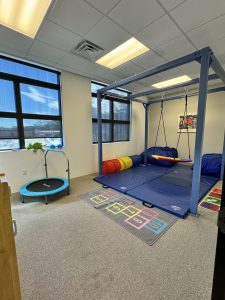
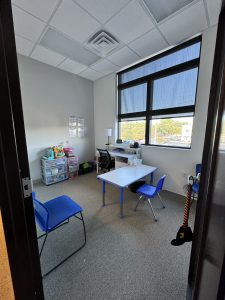
Our Morehead City clinic features state-of-the-art therapy spaces, including:


  • Private treatment rooms for occupational, physical, and speech therapy.


  • A fully equipped kitchen area for feeding therapy sessions to help children with eating challenges.

  • Private counseling rooms for mental health sessions, ensuring a comfortable and confidential environment for all ages.


Get Started with Carolina Therapy Connection Today!

We’re proud to join the Carteret County community and create a welcoming space where families feel supported throughout their therapy journey. If you’re seeking therapy services in the Morehead City area, our team is here to help.

To schedule an appointment or learn more about our services, contact us today. We look forward to supporting you and your family!