



Contact Us Make a payment Check In

Sensory Integration Therapy and Sensory Diet Toolkit

Enhancing Sensory Processing with Sensory Integration Therapy

Sensory integration therapy is designed to help children who experience sensory processing challenges respond to sensory input more regulated and effectively. It can play a vital role in improving a child’s sensory awareness, emotional regulation, and overall well-being. At the core of this therapeutic approach is the Sensory Diet Toolkit, a collection of activities and interventions that support sensory processing and help children navigate their sensory needs throughout the day.

What is Sensory Integration Therapy?

Sensory integration therapy is a treatment approach that focuses on how the brain processes and responds to sensory information. It helps children become more aware of their sensory experiences, such as touch, sound, sight, and movement. The therapy aims to balance how a child responds to different sensory stimuli, helping them function better in everyday environments like home, school, and playgrounds.

For children with sensory processing disorders, such as those with Autism Spectrum Disorder (ASD), ADHD, or other developmental conditions, sensory integration therapy can make a significant difference. It can improve how children respond to sensory experiences, whether feeling overwhelmed by loud noises or seeking out constant motion.

What is a Sensory Diet?

A sensory diet is a personalized set of sensory activities strategically scheduled throughout the day to help the child meet their sensory needs. It is called a “diet” because it involves a routine of activities providing specific sensory input to regulate the sensory system. Think of it as a balanced approach to sensory stimulation—just like a balanced meal plan supports your physical health, a sensory diet supports emotional and sensory well-being.

The Sensory Diet Toolkit: Key Components

The Sensory Diet Toolkit consists of various activities and strategies to help children with sensory processing challenges. These activities are designed to either stimulate, calm, or organize the sensory system, depending on the child’s specific needs. Here are some examples:


  1. Therapeutic Brushing: This involves using a special brush to apply gentle pressure to the skin, providing calming tactile input. It can help children who are sensitive to touch or who have difficulty calming down.
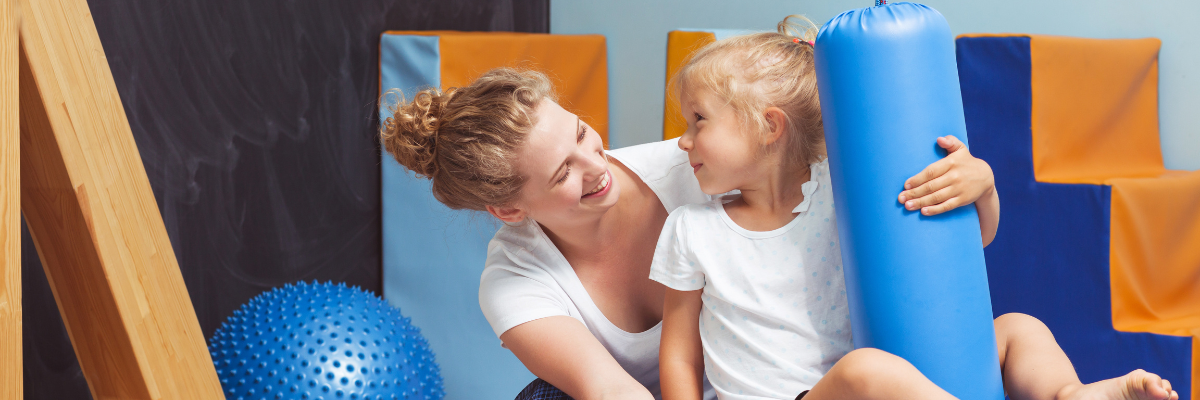
  2. Therapeutic Drumming: Using drums or rhythmic activities helps children who need proprioceptive input (sensory input related to body movement) to organize their movements and improve focus.
  3. Deep Pressure Techniques: Activities like squeezing a stress ball or using weighted blankets can help children who need calming sensory input to feel more grounded and relaxed.
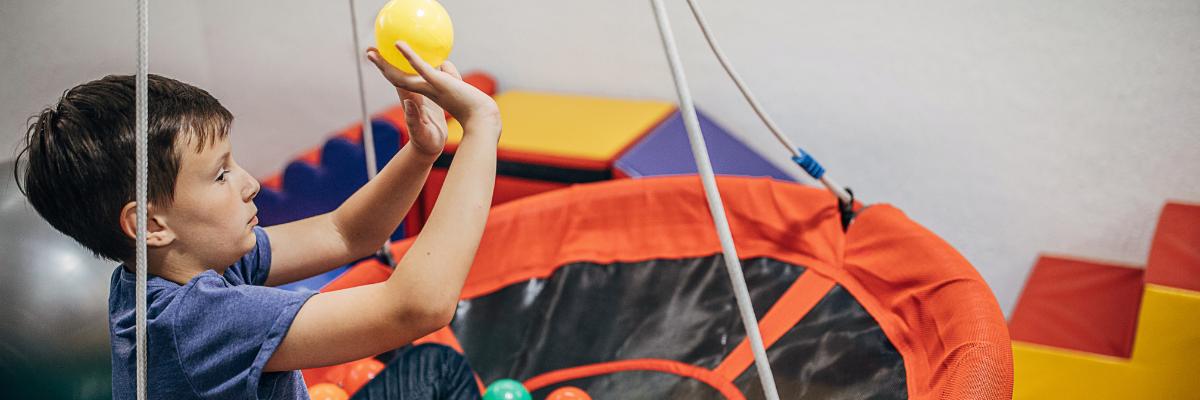
  4. Movement Breaks: Short bursts of physical activity like jumping on a trampoline or spinning can help children who seek sensory input and may need extra stimulation to feel regulated.
  5. Fidget Tools: Fidget spinners, chewable jewelry, or putty provide sensory input that helps children stay calm and focused, especially in situations that may be overstimulating.


How the Sensory Diet Helps Children

By integrating sensory activities into daily routines, children can improve their ability to process sensory information, which can help them:


  • Stay calm and focused: Sensory activities help children regulate their emotional and physical responses, promoting a more balanced state of being.
  • Develop better social skills: By managing sensory needs, children may have fewer meltdowns or emotional outbursts, allowing them to interact more comfortably with others.
  • Improve motor skills and coordination: Sensory activities also support the development of fine and gross motor skills, which can lead to improved physical coordination.
  • Enhance emotional well-being: Children who can self-regulate their sensory input are better equipped to handle stress, frustration, and other emotional challenges.


How Carolina Therapy Connection Can Help

At Carolina Therapy Connection, we offer sensory integration therapy as part of our comprehensive therapy services for children. Our team of skilled occupational therapists is trained to assess your child’s unique sensory processing needs and create a personalized sensory diet that will work for them. Whether your child struggles with sensory overload, seeks constant movement, or finds it difficult to focus, we can help with strategies tailored to their needs. If you want to learn more about sensory integration and how we incorporate this approach into therapy, including intensives, please schedule an evaluation. You can also use this link to explore more about our pediatric intensive therapy services.
 

How Reflex Integration Therapy Supports Children’s Development

What is Reflex Integration?


Reflex Integration therapy is a type of therapy designed to help children improve their motor control, balance, and cognitive functioning by integrating primitive reflexes. These reflexes are automatic movements that babies are born with, and they are essential for survival in the early stages of life. However, as children grow and their nervous system develops, these reflexes are meant to fade naturally.

When these primitive reflexes remain active after the appropriate developmental period, they can disrupt a child’s ability to perform everyday tasks. This is where Reflex Integration therapy comes in—it helps children reorganize their nervous system by reducing the impact of these retained reflexes, which can improve their motor skills, balance, and overall functioning.

How Do Primitive Reflexes Affect Kids?


Primitive reflexes are involuntary movements that we all experience as babies. Examples include the Moro reflex (startle reflex) and the rooting reflex (turning the head when something touches the cheek). As children develop, these reflexes should naturally disappear and give way to voluntary movements and coordination. However, if they do not integrate properly, they can lead to challenges in:


  • Motor Control: Retained reflexes can cause difficulty with fine and gross motor skills, affecting activities like writing, tying shoes, or riding a bike.
  • Balance and Coordination: Children may struggle with activities requiring balance, such as running, jumping, or swimming.
  • Cognitive Functioning: These reflexes can affect focus, attention, and other cognitive functions necessary for learning and processing information.


How Reflex Integration Therapy Can Help


Reflex Integration therapy targets these retained reflexes through a series of gentle exercises and activities that encourage the brain to reorganize itself. The goal is to help the child gain better control over their movements, improve their balance, and enhance their ability to process information efficiently. This therapy is particularly helpful for children who have developmental delays, learning disabilities, or motor coordination issues.

By working with a trained therapist, children can learn to integrate these reflexes, leading to:

  • Improved motor skills and coordination
  • Enhanced focus and concentration
  • Better balance and posture
  • Increased confidence in physical and academic activities


When is Reflex Integration Therapy Needed?


This therapy can benefit any child who is having difficulty with motor control, balance, or coordination due to retained primitive reflexes. Some common signs that a child may need Reflex Integration therapy include:

  • Trouble sitting still or focusing in school
  • Struggling with tasks requiring fine motor skills, like handwriting or using utensils
  • Difficulty with gross motor activities such as running, jumping, or climbing
  • Poor posture or uncoordinated movements


How Carolina Therapy Connection Can Help


At Carolina Therapy Connection, we specialize in helping children with a range of developmental challenges, including motor coordination issues and learning difficulties. Our therapists use Reflex Integration techniques to help children reorganize their nervous system and improve their physical and cognitive skills. If you’re interested in learning more about reflex integration and how we incorporate this approach into therapy, including intensives, please feel free to reach out to us to schedule an evaluation. You can also use this link to explore more about our pediatric intensive therapy services.

 

Understanding Therapeutic Listening for Kids

Helping Children Manage Sensory Processing Challenges with Therapeutic Listening

Does your child ever feel overwhelmed by sounds, textures, or certain situations? It can be tough to see kids struggle with sensory processing challenges. Therapeutic Listening is a powerful tool designed to help kids manage sensory difficulties and regulate their emotions.


What is Therapeutic Listening?

Therapeutic Listening is a treatment that uses specially designed music and sound frequencies to help children’s brains process sensory information more effectively. By listening to certain types of music, children can improve their brains’ ability to process various sensory experiences. This can help with a range of challenges, including sensory processing difficulties, anxiety, ADHD, and autism.

The music used in this intervention is not ordinary—it’s carefully selected to stimulate the brain and promote better sensory integration. This can help your child feel more comfortable and balanced in everyday life.


How Does It Work?

When your child listens to specially designed music, the brain is encouraged to respond to the sounds to improve focus, attention, and emotional regulation. The frequencies and rhythms in the music are designed to calm the nervous system, which can be especially helpful for children who have trouble managing stress or staying focused.

Therapeutic listening helps kids develop better emotional control, reducing feeling overwhelmed. It also assists them in staying calm in situations where they might otherwise feel anxious or overstimulated. This method is non-invasive, meaning it doesn’t require medications or complex procedures.


How Can Therapeutic Listening Help My Child?

  1. Improves Sensory Processing
    Kids with sensory processing difficulties often struggle to filter out distractions, making it difficult to focus or stay calm in everyday situations. Therapeutic Listening can train their brain to process sensory information more efficiently, improving their ability to respond appropriately to sensory stimuli. It can also assist with tolerating a variety of auditory inputs. 
  2. Enhances Emotional Regulation
    Children with anxiety or emotional dysregulation can benefit from this intervention because it helps them stay calm and grounded. By listening to music, they can learn to control their emotions and reactions, making it easier to handle stressful situations.
  3. Boosts Focus and Attention
    Therapeutic Listening has been shown to improve focus and attention, which is particularly beneficial for kids with ADHD or other focus-related challenges. The music stimulates the brain, helping kids stay more engaged and better concentrate.
  4. Supports Overall Well-being
    Therapeutic Listening is not just about improving focus or reducing stress—it’s about supporting emotional and mental well-being. Kids who feel emotionally balanced are likelier to interact positively with others and experience tremendous success at school and home.

How Carolina Therapy Connection Can Help

At Carolina Therapy Connection, we offer Therapeutic Listening as part of our sensory integration therapy services. Whether your child struggles with sensory processing, emotional regulation, or focus, we are here to help them develop the skills they need to thrive. If you’re interested in learning more about Therapeutic Listening and how we incorporate this approach into therapy, including intensives, please feel free to contact us to schedule an evaluation. You can also use this link to explore our pediatric intensive therapy services.


Astronaut Training

Astronaut Training: Boost Sensory Processing, Balance, and Coordination Through Fun Activities

Have you ever wondered how astronauts train to thrive in space? Well, it turns out that some of the movements they experience in space, like spinning, swinging, and flipping, can actually help children improve their sensory processing, balance, and body awareness!


What is Astronaut Training?

Astronaut Training is a specialized therapy designed to help children, especially those with sensory processing issues, balance challenges, or developmental delays, enhance their sensory integration. The program uses fun and exciting activities that simulate the sensations astronauts feel in space, such as swinging and rotating.

These activities focus on strengthening the vestibular system, which controls balance, coordination, and spatial awareness. As children engage in these exercises, their brain learns to process and respond to sensory input more effectively, leading to improved focus, body awareness, and overall coordination.

How Does Astronaut Training Help Kids?


  1. Sensory Processing: Many children, especially those with sensory processing disorder (SPD), find it challenging to understand and react to sensory input from their environment. Astronaut Training helps them process sensory information better by integrating sensory experiences through movements like spinning and rotational activities. This leads to smoother, more efficient responses to sensory stimuli in everyday life.
  2. Balance and Coordination: Balance and coordination are essential skills for physical development. The rotational movements and balance activities in Astronaut Training help children strengthen their muscles and improve their balance, which leads to better coordination in other areas of life, such as sports or simple tasks like walking or running.
  3. Body Awareness: Astronaut Training activities also focus on improving body awareness, or the ability to know where one’s body is in space. Through exercises that involve flipping, spinning, and swinging, children gain a better understanding of how their bodies move and function, enhancing their ability to control their movements and interact confidently with their environment.
  4. Focus and Emotional Regulation: This type of therapy is great for the body and the mind. Astronaut training’s structured yet playful nature helps children improve their focus and emotional regulation. They learn to control their impulses and better manage their emotions, especially in response to sensory challenges.


Who Can Benefit from Astronaut Training?

Astronaut Training is particularly helpful for children with conditions like ADHD, autism, sensory processing disorder (SPD), or motor coordination difficulties. It provides an effective, fun, and engaging way to work on skills that are often areas of concern for these children. By integrating sensory activities in a structured and enjoyable way, children can experience growth in their physical, cognitive, and emotional abilities.

How Carolina Therapy Connection Can Help

At Carolina Therapy Connection, we understand how important it is for children to receive the support they need in a fun and effective way. Our team of skilled therapists uses innovative approaches like Astronaut Training to help children improve sensory processing, balance, and coordination. We create a supportive environment through personalized therapy sessions where children can thrive and gain confidence in their physical and sensory abilities. If you’re interested in learning more about Astronaut Training and how we incorporate this approach into therapy, including intensives, please feel free to contact us to schedule an evaluation. You can also use this link to explore our pediatric intensive therapy services.


Baby Bootcamp (Birth-1 Year)

Baby Bootcamp: Enhancing Early Communication for Infants (Birth-1 Year)

The first year of a baby’s life is filled with remarkable growth and development, and one of the most important aspects of that development is language. Early communication lays the groundwork for future speech and language skills, which are essential for academic success, social interactions, and cognitive development. At Carolina Therapy Connection, we understand the importance of fostering a child’s communication skills from the very start, which is why we offer the Baby Bootcamp program.


What is Baby Bootcamp?

Baby Bootcamp is an intensive, parent-focused therapy program designed to support optimal language development during the first year of life, especially for babies with medical conditions that may impact their speech and language skills as they grow. This program equips parents with the knowledge and strategies they need to actively foster their child’s communication abilities, ensuring they build a strong foundation for future language growth.

The program is tailored to each baby’s unique developmental needs and provides parents with education, hands-on strategies, and daily coaching to help stimulate early communication. Led by skilled speech-language pathologists (SLPs), Baby Bootcamp focuses on creating a language-rich environment that encourages your baby’s natural communication development.


Key Strategies for Encouraging Early Communication


  1. Verbal Modeling: One of the core elements of Baby Bootcamp is frequent verbal modeling. This strategy involves regularly speaking to your baby, using simple words, phrases, and sentences. Parents are encouraged to narrate their day, describing what they are doing or what the baby is experiencing. This helps babies connect sounds with meaning and fosters language comprehension.
  2. Encouraging Babbling: Babbling is an important step in language development. During the program, SLPs guide parents on how to encourage their baby’s vocalizations through playful back-and-forth vocal exchanges. Engaging with your baby in this way helps promote the early stages of conversational turn-taking and strengthens your baby’s understanding of communication.
  3. Using Visual Supports & Gestures: Babies start to understand gestures and visual cues well before they can speak. Baby Bootcamp teaches parents to incorporate gestures and visual supports, such as pointing, waving, and showing pictures or objects, to enhance their baby’s understanding of language.
  4. Daily Routines as Learning Opportunities: Everyday activities such as diaper changes, feeding, and playtime provide excellent opportunities to build language skills. The program teaches parents how to integrate language-building activities into these daily routines, reinforcing joint attention (focusing on the same thing together) and encouraging early social interactions.


Milestone Tracking & Personalized Feedback

Baby Bootcamp includes milestone tracking, which allows parents to monitor their child’s progress and identify any areas that may need additional support. Through regular assessments and personalized feedback from SLPs, parents can better understand their baby’s unique needs and feel empowered to provide targeted language interventions.


Why Early Language Development Matters

The first year of life is a critical period for language development, and the foundation laid during this time can significantly impact future language and communication skills. Children who experience delays in communication during this stage may face challenges in speech, reading, and social interactions later in life. By focusing on early intervention and active participation, Baby Bootcamp ensures that parents are equipped to help their children reach their language milestones.


How Carolina Therapy Connection Can Help

At Carolina Therapy Connection, our team of experienced speech-language pathologists is dedicated to providing individualized therapy programs like Baby Bootcamp. Our therapists work closely with parents to provide education, personalized strategies, and ongoing support to ensure that each child’s language development is on track. If you have concerns about your baby’s communication skills, our Baby Bootcamp can provide the guidance you need.

If you’re interested in learning more about Baby Bootcamp and how we incorporate this approach into therapy, including intensives, please feel free to reach out to us to schedule an evaluation. You can also use this link to explore more about our pediatric intensive therapy services.
 

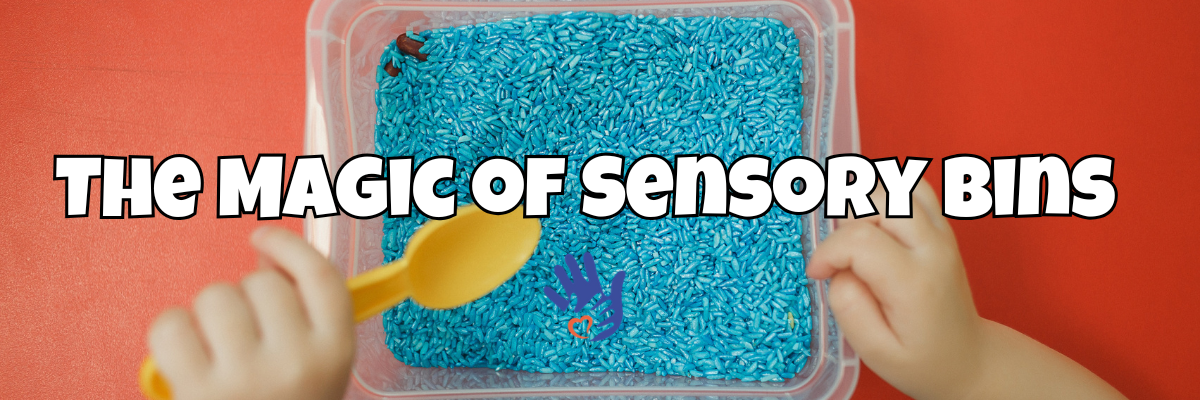
The Magic of Sensory Bins

Unleashing Creativity and Play: The Magic of Sensory Bins in Occupational Therapy

In the world of occupational therapy, sensory bins are a beloved tool used to foster creativity, play, and learning. Sensory bins are simple setups; however, they provide children with hands-on experiences to stimulate their senses, all while encouraging play. 


What is a Sensory Bin?

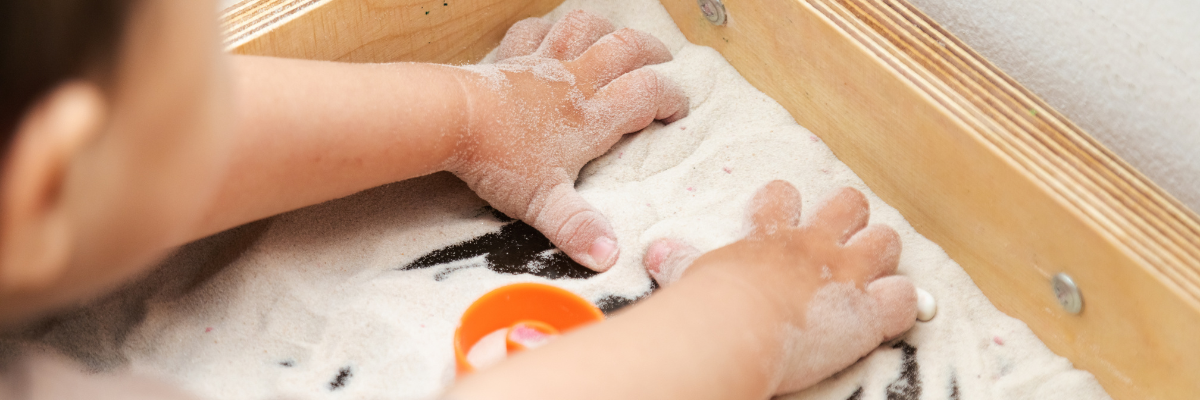
A sensory bin is a container filled with materials to offer diverse sensory experiences. Sensory bins can be as simple as a box filled with rice or as elaborate as a themed setup with various textures and materials. The goal of creating a sensory bin is to include items for children to explore through touch, sight, sound, and sometimes even smell or taste. 


Benefits of Sensory Bins

  1. Stimulating the Senses—Sensory bins can engage children’s senses through various materials. They can offer unique tactile experiences through different textures like beans, rice, pasta, sand, or flour. 
  2. Supporting Cognitive Development—Sensory bins can be tailored to support different learning objectives. For example, submerging alphabet letters or numbers in the bin can help children practice letter and number recognition, enhancing their skills. Sensory bins can also early literacy be a fun way to integrate learning and sensory development. 
  3. Providing opportunities for Creativity – When tailored to a specific theme, sensory bins allow creativity and imaginative play. Sensory bins are naturally open-ended, allowing the use of materials within the bin in various ways for play. 
  4. Enhancing Fine Motor Skills—Sensory bins can include various tools to encourage fine motor skill development. Items such as spoons, tweezers, and tongs allow children to develop hand strength, bilateral coordination, and hand-eye coordination. 
  5. Increasing Emotional Regulation – Sensory play is naturally calming and therapeutic, especially with sensory bins. Children can improve sustained attention and better manage their emotions with repetitive scooping, pouring, and sorting motions. Sensory bins provide a place for self-regulation and relaxation. 
  6. Fostering Social Skills – When used in a group setting, sensory bins can promote social interaction and cooperation. Learning to share materials, engage in imaginative play, and play in shared spaces are all benefits of sensory bins. 


Creating Your Own Sensory Bin

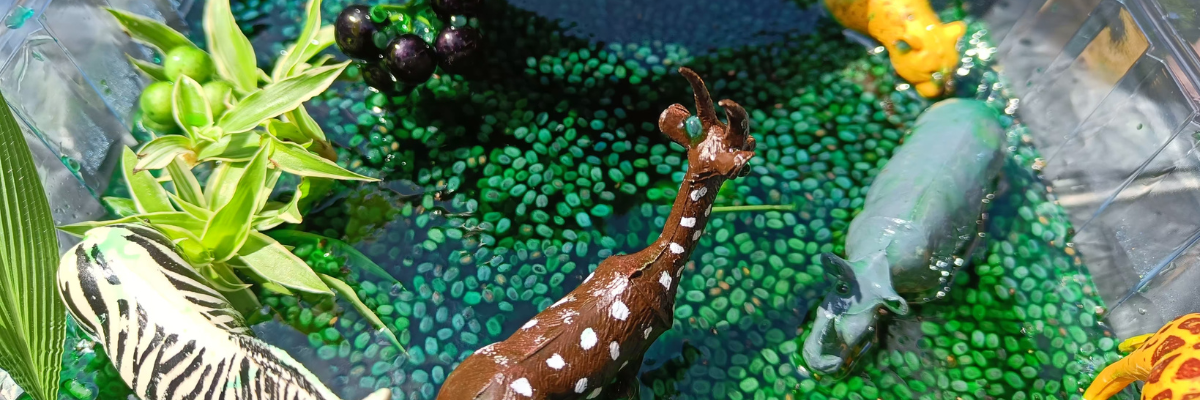
  1. Select Materials – The possibilities are ENDLESS. Common materials used in sensory bins include rice, beans, sand, and pasta. Other items could include plastic animal figurines, building blocks, or pom poms. These items can be cost effective and are often found around your home already. It is important to ensure that materials are safe and age appropriate for the age group. 
  2. Incorporating Tools – Add spoons, tongs, containers, tweezers, and other tools to enhance the play experience. 
  3. Set Up the Bin – Arrange the materials within a container. If desired, include other elements such as themed toys, letters/numbers, or activity cards. Make sure the bin is large enough for the children to explore comfortably. 
  4. Optional – Starting with a Theme – Start with a theme that interests your child and can support the current learning objectives. Themes can range from seasons to holidays to your child’s favorite show. 


How Can Carolina Therapy Connection Help?

Here at Carolina Therapy Connection, our Occupational Therapist often incorporates sensory bins into your child’s treatment sessions when appropriate. We are constantly switching out our bins with new sensory experiences for our clients. Consult with your child’s Occupational Therapist for more ideas and information about ways to include sensory bins into your child’s play routine at home. 

Sensory bins are more than just a fun play activity. They are powerful tools to support your child’s sensory development, fine motor skills, emotional regulation, social skills, and creativity. Incorporating sensory bins into your child’s play routine can help create enriching experiences! So, gather your materials, embrace the mess, and embark on a sensory adventure with your child that is both joyful and educational. 


Top Toys for Christmas 2024: Gift Ideas that Spark Joy and Learning!

Get ready for a holiday season filled with joy and excitement! 

Christmas is just around the corner, and that means it’s time to start thinking about the perfect toys for the little ones in your life. Toys aren’t just about fun; they’re a gateway to imagination, creativity, and developing skills. Toys play a powerful role in child development by enhancing a wide range of skills in fun and engaging ways. 

Cognitive Development Toys: Best Picks for Christmas that Boost Brainpower

Puzzles, building blocks, and educational games help kids practice problem-solving, spatial awareness, and logical thinking. Toys that encourage sorting, matching, or memory exercises also boost cognitive abilities.


Toys for Fine and Gross Motor Skills: Top Christmas Gifts for Active Play

Toys that involve grasping, stacking, and balancing—like blocks, action figures, and ride-ons—help improve fine and gross motor skills. These activities strengthen muscle control, coordination, and agility.


Best Social and Emotional Development Toys for Christmas 2024

Toys that encourage sharing, turn-taking, or role-play—such as dolls, board games, and pretend-play sets—allow kids to practice empathy, teamwork, and communication. These experiences are essential for social and emotional development.


Toys to Foster Language and Communication Skills This Christmas

Reading toys, storytelling sets, and interactive games with audio components help expand vocabulary and encourage communication. Toys that prompt children to describe, ask questions, or follow instructions further support language development.


Top Toys for Creativity and Imagination: Christmas Gifts for Young Innovators

Open-ended toys, like art supplies, dress-up costumes, and pretend-play sets, allow kids to explore their imaginations freely. This fosters creativity, self-expression, and cognitive flexibility, all of which are essential for innovative thinking.


Emotional Development Toys: Christmas Ideas for Nurturing Empathy and Self-Expression

Through imaginative play, children process emotions, practice self-regulation, and learn to empathize with others. Toys that mimic real-life scenarios, such as dolls or play kitchens, provide a safe space for emotional expression and exploration.


Your Ultimate Guide to the Best Christmas Toys for Every Age and Interest

Bring joy to your holiday season with toys kids will love! From educational building sets to group game boards and sensory fidgets, our toy recommendation has something special for every age and interest. 


How Can Carolina Therapy Help?

At Carolina Therapy, we’re here to make your holiday shopping easier with an amazing list of toys and games recommended by our experienced therapists. Our team has carefully curated options for all ages, designed to support development, encourage creativity, and bring endless joy to playtime. Check out our Amazon storefront to find the best toys for this Christmas season—each chosen to help children grow, learn, and thrive!


What’s in Your Sensory Bins!

What is a Sensory Bin?

A sensory bin contains various mediums to provide sensory input via tactile, auditory, and visual stimuli. As an Occupational Therapy Assistant, I treat kiddos who are defensive to sensory input. This can affect feeding, tolerating clothing, tolerating self-care like hair brushing or tooth brushing, and the various textures or sensory inputs we encounter daily. A sensory bin can provide the necessary sensory input to improve attention to tasks, decrease tactile defensiveness, improve tolerance for self-care, improve emotional regulation skills, improve communication skills, and assist with the development of social skills. 

Choosing the Right Container: 

A plastic clear container is ideal because you can see what’s inside and is easy to clean when you are ready to switch out your mediums. You can also use baskets, trays, bowls, etc.

Filling Options: 

  • Base materials: Rice, sand, kinetic sand, dried beans, shredded paper. You can also use edible items such as crushed crackers/cookies, noodles, quinoa, etc, for kiddos who put things in their mouths regularly.
  • Textures: Soft fabric, smooth stones, fluffy cotton balls, feathers, ribbons, or squishy foam. 
  • Colors: Use colored rice or dyed pasta for visual stimulation. Themed Sensory Boxes: 
  • Themes like nature, ocean, outer space, Easter/Spring, or seasons can give great ideas when unsure what to put together. 
    • For example, an ocean theme could include crushed crackers for sand, blue jello for water, and sea animal toys. 
    • Another example is a nature theme, including various leaves, sticks, rocks/stones, animal or insect toys, dirt or crushed Oreos, and gummy worms!
    • Just one more example: Spring could include wildflowers (real or pretend), toy birds/chicks, chickpeas, cotton balls, feathers, etc. 

Incorporating Scents: 

  • Explore scented elements to enhance the sensory experience.
  • Consider items like scented playdough, essential oils, food items, or dried herbs. 

Incorporating Tastes: 

  • If you have a kiddo who is working on trialing new foods/food textures, you can make your sensory bin ALL FOOD items! This allows your child to work on expanding their food repertoire while decreasing the fear associated with trying new foods at mealtimes. 

Sensory Box Safety Tips: 

  • Consider age-appropriate items and avoid small parts that could be a choking hazard. 
  • Remember, when using food/wet items, to change them out regularly to prevent mold/mildew buildup. 
  • AVOID ORBEEZ, please! They are not safe and could cause damage to the internal organs if consumed! 

Have Your Child Assist: 

  • Having your child assist with making the sensory box can be a great way to build communication skills, improve the development of social skills, and decrease fear regarding textures. 
  • Oftentimes, children who are defensive to textures can become very upset or fearful when presented with a new medium. However, if the child can see where the medium comes from, it could decrease the fear significantly! This is also a good opportunity to have your child touch different textures! 

How can Carolina Therapy Connection help? 

  • Ask your child’s therapist about sensory bin ideas used here in the clinic.
  •  Pinterest has great ideas as well!

By: Shelby Godwin, COTA

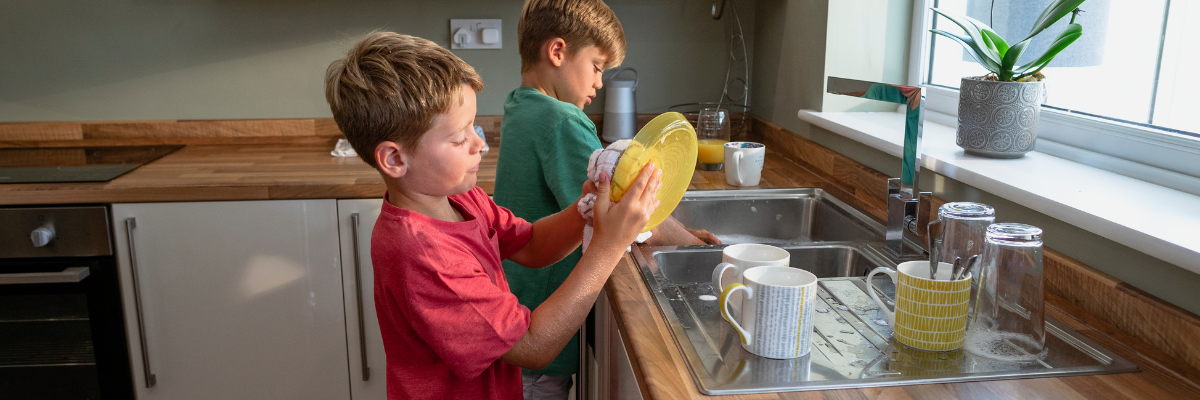
The Best Chores for Kids by Age: Recommendations from a Pediatric Occupational Therapist

Chores can be essential to a child’s development, helping them build responsibility, independence, and various motor skills. Pediatric occupational therapists often recommend specific chores based on a child’s age to optimize their development and ensure appropriate and manageable tasks. Here’s a guide on the best chores for kids by age, highlighting how these activities can benefit their growth.

Ages 2-3: Building Basic Skills

Chores:

– Picking Up Toys: Encourages organization and fine motor skills.

– Wiping Spills: Helps with motor coordination and understanding cause and effect.

-Putting Clothes in Hamper: Teaches responsibility and hand-eye coordination.

Benefits:

– Motor Skills: These chores enhance fine and gross motor skills through simple movements.

– Cognitive Development: Understanding instructions and following through improves cognitive abilities.

– Responsibility: Starting with simple tasks helps instill a sense of duty and accomplishment.

Ages 4-5: Enhancing Coordination and Responsibility

Chores:

– Setting the Table: Develops sequencing skills and hand-eye coordination.

– Feeding Pets: Teaches empathy, responsibility, and routine.

– Watering Plants: Enhances motor skills and an understanding of plant care.

Benefits:

– Coordination: Tasks that involve multiple steps improve coordination and planning.

– Responsibility: Regular chores like feeding pets build a routine and sense of duty.

– Cognitive Skills: Following more complex instructions aids cognitive development.


Ages 6-7: Introducing Independence

Chores:

– Making the Bed: Encourages independence and fine motor skills.

– Sorting Laundry: Teaches categorization and organization.

– Clearing the Table: Develops responsibility and an understanding of teamwork.

Benefits:

– Independence: These chores promote self-reliance and the ability to complete tasks without assistance.

– Organizational Skills: Sorting laundry and clearing the table enhance organizational abilities.

– Motor Skills: Making the bed involves coordination and fine motor skills.


Ages 8-10: Building Competence and Confidence

Chores:

– Vacuuming: Enhances gross motor skills and a sense of thoroughness.

– Taking Out the Trash: Teaches responsibility and the importance of cleanliness.

– Folding Laundry: Develops fine motor skills and attention to detail.

Benefits:

-Competence: Successfully completing more complex chores builds competence and confidence.

– Responsibility: Regular tasks like taking out the trash teach the importance of contributing to household upkeep.

– Motor Skills: Folding laundry and vacuuming involve both fine and gross motor skills.


Ages 11-13: Encouraging Independence and Time Management

Chores:

– Cooking Simple Meals: Teaches life skills, safety, and time management.

– Mowing the Lawn: Enhances gross motor skills and responsibility.

– Cleaning Bathrooms: Develops an understanding of hygiene and thoroughness.

Benefits:

– Life Skills: Cooking and other complex chores prepare kids for future independence.

– Time Management: Balancing chores with other activities helps develop time management skills.

– Responsibility: Taking on significant chores like cleaning bathrooms fosters a deeper sense of responsibility.


Ages 14-17: Preparing for Adulthood

Chores:

– Managing Finances: Teaches budgeting, saving, and financial responsibility.

– Grocery Shopping: Develops planning skills and an understanding of nutrition.

-Maintaining Vehicles: Teaches practical skills and the importance of upkeep.

Benefits:

– Adulting Skills: These chores prepare teens for adult responsibilities and independence.

– Financial Literacy: Managing finances instills essential budgeting and saving habits.

– Practical Skills: Tasks like vehicle maintenance provide practical knowledge useful in adulthood.


How can Carolina Therapy Connection help?

Incorporating age-appropriate chores into your child’s routine can significantly aid their development. Pediatric occupational therapists emphasize the importance of tailoring tasks to a child’s age and capabilities to foster motor skills, cognitive development, and a sense of responsibility. As children grow, their chores should evolve to challenge them appropriately and prepare them for future independence. Encouraging kids to participate in household chores not only helps them develop crucial life skills but also fosters a sense of accomplishment and confidence.


Exciting News! Carolina Therapy Connection Brings Pediatric Therapy and Mental Health Services to Morehead City

Exciting News: Carolina Therapy Connection Opens New Clinic in Morehead City!

We are thrilled to announce that Carolina Therapy Connection has opened a new clinic in the heart of Carteret County! Located at 4251 Arendell St., Suite E, in Morehead City, this brand-new facility offers a variety of services to meet the needs of both children and adults.

Services We Provide in Morehead City:

At our Morehead City location, we are proud to offer the following services:

We are excited to bring our high-quality therapy services to the Carteret County community and are committed to providing compassionate care for children, adolescents, and adults.

Now Offering Extended Hours for Mental Wellness in Morehead City

We understand how busy life can be, which is why we are now offering extended hours and Saturday appointments for those who need more flexibility. Whether you’re looking for afterschool therapy sessions for your child or evening counseling for yourself, we have immediate openings available to fit your schedule.

Morehead City Clinic Features:

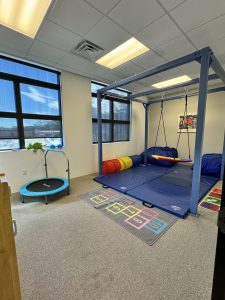
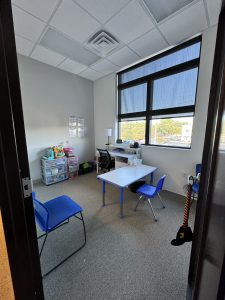
Our Morehead City clinic is equipped with state-of-the-art therapy spaces, including:


  • Private treatment rooms for occupational, physical, and speech therapy.


  • A fully equipped kitchen area for feeding therapy sessions to help children with eating challenges.

  • Private counseling rooms for mental health sessions, ensuring a comfortable and confidential environment for all ages.


Get Started with Carolina Therapy Connection Today!

We are thrilled to be part of the Carteret County community and to offer a welcoming space where families can feel supported on their therapeutic journey. If you’re looking for therapy services in the Morehead City area, we’re here to help!

To schedule an appointment or learn more about our services, contact us today. We’re excited to be part of your community and look forward to serving you!