





Contact Us Make a payment Check In

How Our Tutoring Program Supports Students with Diverse Needs

At Carolina Therapy Connection, we understand that every child learns differently, and we believe that every student deserves the chance to reach their full potential. Our tutoring program focuses on this, providing individualized support to children with a wide range of learning needs. Whether your child is struggling with academic skills or facing challenges related to developmental delays, our specialized approach is here to help.

Tailored Instruction for Every Learner

One of the key features of our tutoring program is the personalized approach we take with each student. We recognize that traditional classroom settings don’t always accommodate the diverse learning styles and paces of every child. Our tutors work closely with students to assess their strengths and areas for growth, then design lessons that align with their specific needs. This enables us to offer personalized support that helps students thrive both academically and emotionally.

Support for Students with Learning Differences

We are experienced in working with students who have a variety of learning differences, such as dyslexia, ADHD, autism spectrum disorders, and more. Our tutors employ research-based strategies and methods specifically designed to support children with these challenges. Whether it’s breaking down complex concepts into manageable steps or using visual aids to reinforce learning, we ensure that each child has the tools they need to succeed.

Integrating Therapeutic Expertise

What sets our tutoring program apart is the integration of therapeutic practices. Carolina Therapy Connection is recognized for its multidisciplinary approach, providing services including Occupational Therapy, Speech Therapy, and Physical Therapy. We integrate this expertise into our tutoring sessions to help students overcome barriers like attention issues, sensory processing difficulties, or language challenges. By combining educational support with therapeutic interventions, we address both the academic and emotional needs of each child.

Building Confidence and Emotional Resilience

Beyond academic growth, our tutoring program focuses on building students’ confidence. For many children, struggles in the classroom can affect their self-esteem. Our tutors not only work on academic skills but also foster a growth mindset, encouraging children to view mistakes as opportunities for learning. This supportive environment helps students develop resilience, thereby boosting their confidence in both academic and personal life.

Partnering with Parents for Success

Strong collaboration between parents, tutors, and students builds a successful tutoring experience. Our team takes the time to regularly communicate with parents, keeping them updated on their child’s progress and offering guidance on how they can support learning at home. This partnership ensures that students reinforce the strategies and skills learned during tutoring sessions outside the classroom.

Join Our Tutoring Program

At Carolina Therapy Connection, we’re committed to providing students with the personalized support they need to succeed academically and emotionally. Whether your child has unique learning needs or requires additional academic support, our tutoring program in Greenville and New Bern is here to help.

If you’re interested in learning more or starting tutoring services, please don’t hesitate to contact us today. We’re here to support your child’s growth every step of the way!

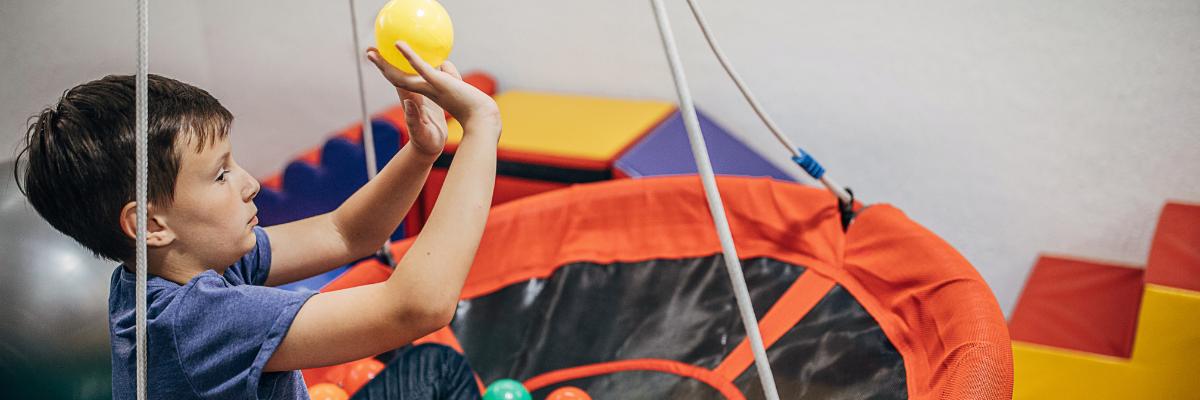
 

Sensory Integration Therapy and Sensory Diet Toolkit

Enhancing Sensory Processing with Sensory Integration Therapy

Sensory integration therapy is designed to help children who experience sensory processing challenges respond to sensory input more regulated and effectively. It can play a vital role in improving a child’s sensory awareness, emotional regulation, and overall well-being. At the core of this therapeutic approach is the Sensory Diet Toolkit, a collection of activities and interventions that support sensory processing and help children navigate their sensory needs throughout the day.

What is Sensory Integration Therapy?

Sensory integration therapy is a treatment approach that focuses on how the brain processes and responds to sensory information. It helps children become more aware of their sensory experiences, such as touch, sound, sight, and movement. The therapy aims to balance how a child responds to different sensory stimuli, helping them function better in everyday environments like home, school, and playgrounds.

For children with sensory processing disorders, such as those with Autism Spectrum Disorder (ASD), ADHD, or other developmental conditions, sensory integration therapy can make a significant difference. It can improve how children respond to sensory experiences, whether feeling overwhelmed by loud noises or seeking out constant motion.

What is a Sensory Diet?

A sensory diet is a personalized set of sensory activities strategically scheduled throughout the day to help the child meet their sensory needs. It is called a “diet” because it involves a routine of activities providing specific sensory input to regulate the sensory system. Think of it as a balanced approach to sensory stimulation—just like a balanced meal plan supports your physical health, a sensory diet supports emotional and sensory well-being.

The Sensory Diet Toolkit: Key Components

The Sensory Diet Toolkit consists of various activities as well as strategies to help children with sensory processing challenges. These activities stimulate, calm, or organize the sensory system, depending on the child’s specific needs. Here are some examples:


  1. Therapeutic Brushing: This involves using a special brush to apply gentle pressure to the skin, providing calming tactile input. It can help children who are sensitive to touch or who have difficulty calming down.
  2. Therapeutic Drumming: Using drums or rhythmic activities helps children who need proprioceptive input (sensory input related to body movement) to organize their movements and also improve focus.
  3. Deep Pressure Techniques: Activities like squeezing a stress ball or using weighted blankets can help children who need calming sensory input to feel more grounded and relaxed.
  4. Movement Breaks: Short bursts of physical activity like jumping on a trampoline or spinning can help children who seek sensory input and also may need extra stimulation to feel regulated.
  5. Fidget Tools: Fidget spinners, chewable jewelry, or putty provide sensory input that helps children stay calm and focused, especially in situations that may be overstimulating.


How the Sensory Diet Helps Children

By integrating sensory activities into daily routines, children can improve their ability to process sensory information, which can help them:


  • Stay calm and focused: Sensory activities help children regulate their emotional as well as physical responses, promoting a more balanced state of being.
  • Develop better social skills: By managing sensory needs, children may have fewer meltdowns or emotional outbursts, allowing them to interact more comfortably with others.
  • Improve motor skills and coordination: Sensory activities also support the development of fine and gross motor skills, which can lead to improved physical coordination.
  • Enhance emotional well-being: Children who can self-regulate their sensory input are better equipped to handle stress, frustration, and other emotional challenges.


How Carolina Therapy Connection Can Help

At Carolina Therapy Connection, we offer sensory integration therapy as part of our comprehensive therapy services for children. Our team of skilled occupational therapists assesses your child’s unique sensory processing needs and creates a personalized sensory diet that works for them. Whether your child struggles with sensory overload, seeks constant movement, or finds it difficult to focus, we can help with strategies tailored to their needs. If you want to learn more about sensory integration and how we incorporate this approach into therapy, including intensives, please schedule an evaluation. You can also use this link to explore more about our pediatric intensive therapy services.


Understanding Therapeutic Listening for Kids

Helping Children Manage Sensory Processing Challenges with Therapeutic Listening

Does your child ever seem overwhelmed by everyday sounds, textures, or busy environments? Maybe loud noises cause distress, certain clothing feels unbearable, or transitions lead to emotional meltdowns. Watching your child struggle with sensory processing challenges can be tough, but there are supportive, evidence-informed tools that can help.

Therapeutic Listening is one such approach. This gentle, non-invasive intervention uses specially designed music to support sensory processing, emotional regulation, and overall well-being in children.

What Is Therapeutic Listening?

Therapeutic Listening uses specially designed music and sound frequencies to help children’s brains process sensory information more effectively. When children listen to this targeted music, they strengthen their brain’s ability to organize and respond to sensory experiences.

This approach supports children with a variety of challenges, including sensory processing difficulties, anxiety, ADHD, and autism. The music in Therapeutic Listening is not ordinary, it actively stimulates the brain and promotes stronger sensory integration. As a result, children often feel more comfortable, regulated, and balanced in their everyday lives.

How Does Therapeutic Listening Work?

When your child listens to carefully designed music, their brain responds to specific rhythms and frequencies that support focus, attention, and emotional regulation. These sound patterns help calm the nervous system and support children who struggle with stress, overstimulation, or difficulty concentrating.

Therapeutic Listening helps children develop stronger emotional control and reduces feelings of overwhelm. It also helps them stay calm and regulated in situations that might otherwise trigger anxiety or sensory overload. This non-invasive approach does not rely on medication or complex procedures.

How Can Therapeutic Listening Help My Child?

Improves Sensory Processing

Children with sensory processing challenges often struggle to filter distractions, which can make it hard to focus or stay calm. Therapeutic Listening trains the brain to process sensory input more efficiently and respond appropriately to different sensory stimuli. It also helps children tolerate a wider range of sounds in their environment.

Enhances Emotional Regulation

Children with anxiety or emotional regulation challenges often benefit from Therapeutic Listening because it supports calmness and grounding. Listening to structured music helps children manage their emotions and reactions, making stressful situations easier to handle.

Boosts Focus and Attention

Therapeutic Listening supports improved focus and attention, especially for children with ADHD or other attention-related challenges. The music actively engages the brain and helps children stay present and attentive.

Supports Overall Well-Being

Therapeutic Listening goes beyond improving focus or reducing stress; it supports a child’s emotional and mental well-being. When children feel regulated and balanced, they interact more positively with others and experience greater success at home and school.

How Carolina Therapy Connection Can Help

At Carolina Therapy Connection, we offer Therapeutic Listening as part of our sensory integration therapy services. Our licensed therapists create individualized plans that help children build regulation skills, improve focus, and feel more confident in their daily environments.

If your child struggles with sensory processing, emotional regulation, or attention, we’re here to help. Contact us to schedule an evaluation or explore our pediatric intensive therapy services on our website.

Astronaut Training

Astronaut Training: Boost Sensory Processing, Balance, and Coordination Through Fun Activities

Have you ever wondered how astronauts train to thrive in space? Well, it turns out that some of the movements they experience in space, like spinning, swinging, and flipping, can actually help children improve their sensory processing, balance, and body awareness!


What is Astronaut Training?

Astronaut Training is a specialized therapy designed to help children, especially those with sensory processing issues, balance challenges, or developmental delays, enhance their sensory integration. The program uses fun and exciting activities that simulate the sensations astronauts feel in space, such as swinging and rotating.

These activities focus on strengthening the vestibular system, which controls balance, coordination, and spatial awareness. As children engage in these exercises, their brain learns to process and respond to sensory input more effectively, leading to improved focus, body awareness, and overall coordination.

How Does Astronaut Training Help Kids?


  1. Sensory Processing: Many children, especially those with sensory processing disorder (SPD), find it challenging to understand and react to sensory input from their environment. Astronaut Training helps them process sensory information better by integrating sensory experiences through movements like spinning and rotational activities. This leads to smoother, more efficient responses to sensory stimuli in everyday life.
  2. Balance and Coordination: Balance and coordination are essential skills for physical development. The rotational movements and balance activities in Astronaut Training help children strengthen their muscles and improve their balance, which leads to better coordination in other areas of life, such as sports or simple tasks like walking or running.
  3. Body Awareness: Astronaut Training activities also focus on improving body awareness, or the ability to know where one’s body is in space. Through exercises that involve flipping, spinning, and swinging, children gain a better understanding of how their bodies move and function, enhancing their ability to control their movements and interact confidently with their environment.
  4. Focus and Emotional Regulation: This type of therapy is great for the body and the mind. Astronaut training’s structured yet playful nature helps children improve their focus and emotional regulation. They learn to control their impulses and better manage their emotions, especially in response to sensory challenges.


Who Can Benefit from Astronaut Training?

Astronaut Training is particularly helpful for children with conditions like ADHD, autism, sensory processing disorder (SPD), or motor coordination difficulties. It provides an effective, fun, and engaging way to work on skills that are often areas of concern for these children. By integrating sensory activities in a structured and enjoyable way, children can experience growth in their physical, cognitive, and emotional abilities.

How Carolina Therapy Connection Can Help

At Carolina Therapy Connection, we understand how important it is for children to receive the support they need in a fun and effective way. Our team of skilled therapists uses innovative approaches like Astronaut Training to help children improve sensory processing, balance, and coordination. We create a supportive environment through personalized therapy sessions where children can thrive and gain confidence in their physical and sensory abilities. If you’re interested in learning more about Astronaut Training and how we incorporate this approach into therapy, including intensives, please feel free to contact us to schedule an evaluation. You can also use this link to explore our pediatric intensive therapy services.


Syncing Success: A Better Way to Manage ADHD Without Medication

Attention Deficit Hyperactivity Disorder (ADHD) poses unique challenges for individuals of all ages, affecting their ability to focus, organize tasks, and regulate impulses. While traditional interventions often involve medications and behavioral therapy, a groundbreaking approach has emerged in recent years – the use of the Interactive Metronome (IM) as an innovative tool for managing ADHD symptoms. In this blog, we’ll explore the relationship between Interactive Metronome and ADHD, shedding light on how this rhythmic training can make a significant difference in the lives of those navigating the complexities of ADHD.


Understanding ADHD and its Challenges


ADHD is a neurodevelopmental disorder characterized by persistent patterns of inattention, hyperactivity, and impulsivity. Individuals with ADHD may find it challenging to sustain attention, complete tasks, and regulate their behavior, impacting academic, professional, and personal aspects of their lives. Traditional treatment approaches often involve a combination of medications and behavioral therapy, but the search for non-invasive, complementary interventions has led to exploring innovative tools like the Interactive Metronome.


Interactive Metronome and ADHD: A Rhythmic Approach


The Interactive Metronome operates on the principle that precise timing and rhythmic synchronization can positively influence neural pathways related to attention, coordination, and executive functions. Here’s how IM is making waves in the realm of ADHD management:


  1. Enhanced Attention and Focus: IM exercises require participants to match their movements to a rhythmic beat with millisecond accuracy. This process engages the brain’s attention and timing centers, fostering sustained attention and focus improvements, essential components for managing ADHD symptoms.


  1. Improved Executive Functions: ADHD often involves challenges with executive functions like working memory, organization, and impulse control. The structured nature of IM exercises helps strengthen these cognitive processes, providing individuals with practical skills to navigate daily tasks more effectively.


  1. Sensory Integration: The combination of auditory and visual cues in IM promotes sensory integration, a critical factor in ADHD management. Individuals can develop better self-regulation and coordination by syncing sensory information with motor responses.


  1. Individualized Treatment Plans: Therapists at Carolina Therapy Connection can tailor IM programs to address the specific needs and challenges of individuals with ADHD. The customizable nature of IM allows for a personalized approach, ensuring that the training aligns with each participant’s unique cognitive and motor profile.


Real-life Success Stories 


The impact of Interactive Metronome on ADHD management is not just theoretical – there is a growing body of research-based evidence supporting its effectiveness. Many individuals undergoing occupational therapy at Carolina Therapy Connection have reported significant improvements in attention, impulse control, and overall quality of life after incorporating IM into their ADHD treatment plan.


In the evolving landscape of ADHD management, the Interactive Metronome stands out as a promising avenue for individuals seeking alternative and complementary approaches. By tapping into the power of rhythmic synchronization and precise timing, IM offers a dynamic and engaging method to address the core challenges associated with ADHD. It’s not just about keeping time; it’s about syncing success despite ADHD’s unique challenges.  Our Occupational Therapists and Certified Occupational Therapy Assistants at Carolina Therapy Connection are certified in the Interactive Metronome. They can utilize this as an essential part of a child’s treatment plan.  The Interactive Metronome can be used as a standalone treatment, but we see the best results when incorporated into diverse therapeutic programs.


Call us today to learn more about the Interactive Metronome and whether your child would benefit from this amazing therapeutic intervention!