


Contact Us Make a payment Check In

How Reflex Integration Therapy Supports Children’s Development

What is Reflex Integration?


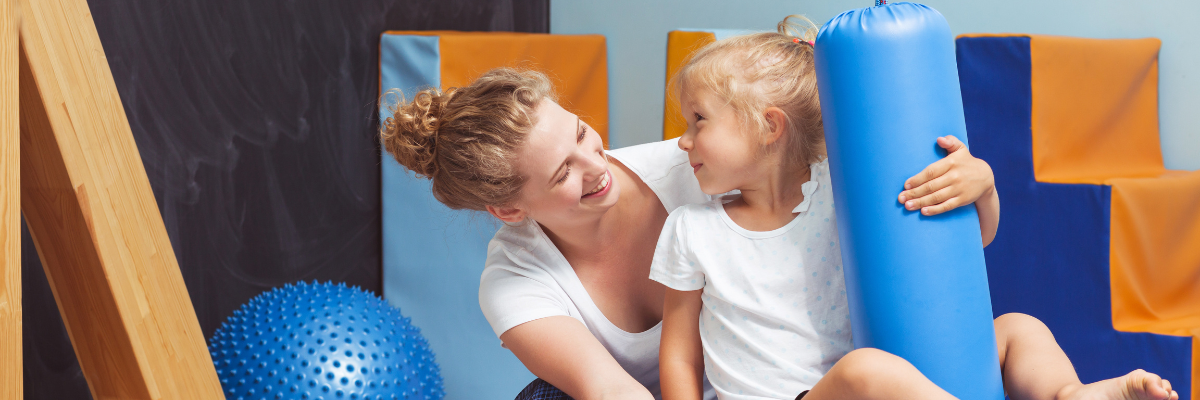
Reflex Integration therapy is a type of therapy designed to help children improve their motor control, balance, and cognitive functioning by integrating primitive reflexes. These reflexes are automatic movements that babies are born with, and they are essential for survival in the early stages of life. However, as children grow and their nervous system develops, these reflexes are meant to fade naturally.

When these primitive reflexes remain active after the appropriate developmental period, they can disrupt a child’s ability to perform everyday tasks. This is where Reflex Integration therapy comes in—it helps children reorganize their nervous system by reducing the impact of these retained reflexes, which can improve their motor skills, balance, and overall functioning.

How Do Primitive Reflexes Affect Kids?


Primitive reflexes are involuntary movements that we all experience as babies. Examples include the Moro reflex (startle reflex) and the rooting reflex (turning the head when something touches the cheek). As children develop, these reflexes should naturally disappear and give way to voluntary movements and coordination. However, if they do not integrate properly, they can lead to challenges in:


  • Motor Control: Retained reflexes can cause difficulty with fine and gross motor skills, affecting activities like writing, tying shoes, or riding a bike.
  • Balance and Coordination: Children may struggle with activities requiring balance, such as running, jumping, or swimming.
  • Cognitive Functioning: These reflexes can affect focus, attention, and other cognitive functions necessary for learning and processing information.


How Reflex Integration Therapy Can Help


Reflex Integration therapy targets these retained reflexes through a series of gentle exercises and activities that encourage the brain to reorganize itself. The goal is to help the child gain better control over their movements, improve their balance, and enhance their ability to process information efficiently. This therapy is particularly helpful for children who have developmental delays, learning disabilities, or motor coordination issues.

By working with a trained therapist, children can learn to integrate these reflexes, leading to:

  • Improved motor skills and coordination
  • Enhanced focus and concentration
  • Better balance and posture
  • Increased confidence in physical and academic activities


When is Reflex Integration Therapy Needed?


This therapy can benefit any child who is having difficulty with motor control, balance, or coordination due to retained primitive reflexes. Some common signs that a child may need Reflex Integration therapy include:

  • Trouble sitting still or focusing in school
  • Struggling with tasks requiring fine motor skills, like handwriting or using utensils
  • Difficulty with gross motor activities such as running, jumping, or climbing
  • Poor posture or uncoordinated movements


How Carolina Therapy Connection Can Help


At Carolina Therapy Connection, we specialize in helping children with a range of developmental challenges, including motor coordination issues and learning difficulties. Our therapists use Reflex Integration techniques to help children reorganize their nervous system and improve their physical and cognitive skills. If you’re interested in learning more about reflex integration and how we incorporate this approach into therapy, including intensives, please feel free to reach out to us to schedule an evaluation. You can also use this link to explore more about our pediatric intensive therapy services.

 

Understanding Therapeutic Listening for Kids

Helping Children Manage Sensory Processing Challenges with Therapeutic Listening

Does your child ever feel overwhelmed by sounds, textures, or certain situations? It can be tough to see kids struggle with sensory processing challenges. Therapeutic Listening is a powerful tool designed to help kids manage sensory difficulties and regulate their emotions.


What is Therapeutic Listening?

Therapeutic Listening is a treatment that uses specially designed music and sound frequencies to help children’s brains process sensory information more effectively. By listening to certain types of music, children can improve their brains’ ability to process various sensory experiences. This can help with a range of challenges, including sensory processing difficulties, anxiety, ADHD, and autism.

The music used in this intervention is not ordinary—it’s carefully selected to stimulate the brain and promote better sensory integration. This can help your child feel more comfortable and balanced in everyday life.


How Does It Work?

When your child listens to specially designed music, the brain is encouraged to respond to the sounds to improve focus, attention, and emotional regulation. The frequencies and rhythms in the music are designed to calm the nervous system, which can be especially helpful for children who have trouble managing stress or staying focused.

Therapeutic listening helps kids develop better emotional control, reducing feeling overwhelmed. It also assists them in staying calm in situations where they might otherwise feel anxious or overstimulated. This method is non-invasive, meaning it doesn’t require medications or complex procedures.


How Can Therapeutic Listening Help My Child?

  1. Improves Sensory Processing
    Kids with sensory processing difficulties often struggle to filter out distractions, making it difficult to focus or stay calm in everyday situations. Therapeutic Listening can train their brain to process sensory information more efficiently, improving their ability to respond appropriately to sensory stimuli. It can also assist with tolerating a variety of auditory inputs. 
  2. Enhances Emotional Regulation
    Children with anxiety or emotional dysregulation can benefit from this intervention because it helps them stay calm and grounded. By listening to music, they can learn to control their emotions and reactions, making it easier to handle stressful situations.
  3. Boosts Focus and Attention
    Therapeutic Listening has been shown to improve focus and attention, which is particularly beneficial for kids with ADHD or other focus-related challenges. The music stimulates the brain, helping kids stay more engaged and better concentrate.
  4. Supports Overall Well-being
    Therapeutic Listening is not just about improving focus or reducing stress—it’s about supporting emotional and mental well-being. Kids who feel emotionally balanced are likelier to interact positively with others and experience tremendous success at school and home.

How Carolina Therapy Connection Can Help

At Carolina Therapy Connection, we offer Therapeutic Listening as part of our sensory integration therapy services. Whether your child struggles with sensory processing, emotional regulation, or focus, we are here to help them develop the skills they need to thrive. If you’re interested in learning more about Therapeutic Listening and how we incorporate this approach into therapy, including intensives, please feel free to contact us to schedule an evaluation. You can also use this link to explore our pediatric intensive therapy services.

Astronaut Training

Astronaut Training: Boost Sensory Processing, Balance, and Coordination Through Fun Activities

Have you ever wondered how astronauts train to thrive in space? Well, it turns out that some of the movements they experience in space, like spinning, swinging, and flipping, can actually help children improve their sensory processing, balance, and body awareness!


What is Astronaut Training?

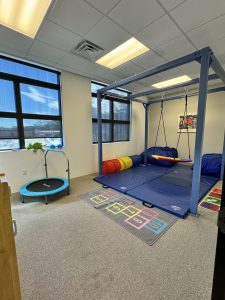
Astronaut Training is a specialized therapy designed to help children, especially those with sensory processing issues, balance challenges, or developmental delays, enhance their sensory integration. The program uses fun and exciting activities that simulate the sensations astronauts feel in space, such as swinging and rotating.

These activities focus on strengthening the vestibular system, which controls balance, coordination, and spatial awareness. As children engage in these exercises, their brain learns to process and respond to sensory input more effectively, leading to improved focus, body awareness, and overall coordination.

How Does Astronaut Training Help Kids?


  1. Sensory Processing: Many children, especially those with sensory processing disorder (SPD), find it challenging to understand and react to sensory input from their environment. Astronaut Training helps them process sensory information better by integrating sensory experiences through movements like spinning and rotational activities. This leads to smoother, more efficient responses to sensory stimuli in everyday life.
  2. Balance and Coordination: Balance and coordination are essential skills for physical development. The rotational movements and balance activities in Astronaut Training help children strengthen their muscles and improve their balance, which leads to better coordination in other areas of life, such as sports or simple tasks like walking or running.
  3. Body Awareness: Astronaut Training activities also focus on improving body awareness, or the ability to know where one’s body is in space. Through exercises that involve flipping, spinning, and swinging, children gain a better understanding of how their bodies move and function, enhancing their ability to control their movements and interact confidently with their environment.
  4. Focus and Emotional Regulation: This type of therapy is great for the body and the mind. Astronaut training’s structured yet playful nature helps children improve their focus and emotional regulation. They learn to control their impulses and better manage their emotions, especially in response to sensory challenges.


Who Can Benefit from Astronaut Training?

Astronaut Training is particularly helpful for children with conditions like ADHD, autism, sensory processing disorder (SPD), or motor coordination difficulties. It provides an effective, fun, and engaging way to work on skills that are often areas of concern for these children. By integrating sensory activities in a structured and enjoyable way, children can experience growth in their physical, cognitive, and emotional abilities.

How Carolina Therapy Connection Can Help

At Carolina Therapy Connection, we understand how important it is for children to receive the support they need in a fun and effective way. Our team of skilled therapists uses innovative approaches like Astronaut Training to help children improve sensory processing, balance, and coordination. We create a supportive environment through personalized therapy sessions where children can thrive and gain confidence in their physical and sensory abilities. If you’re interested in learning more about Astronaut Training and how we incorporate this approach into therapy, including intensives, please feel free to contact us to schedule an evaluation. You can also use this link to explore our pediatric intensive therapy services.
 

What’s in Your Sensory Bins!

What is a Sensory Bin?

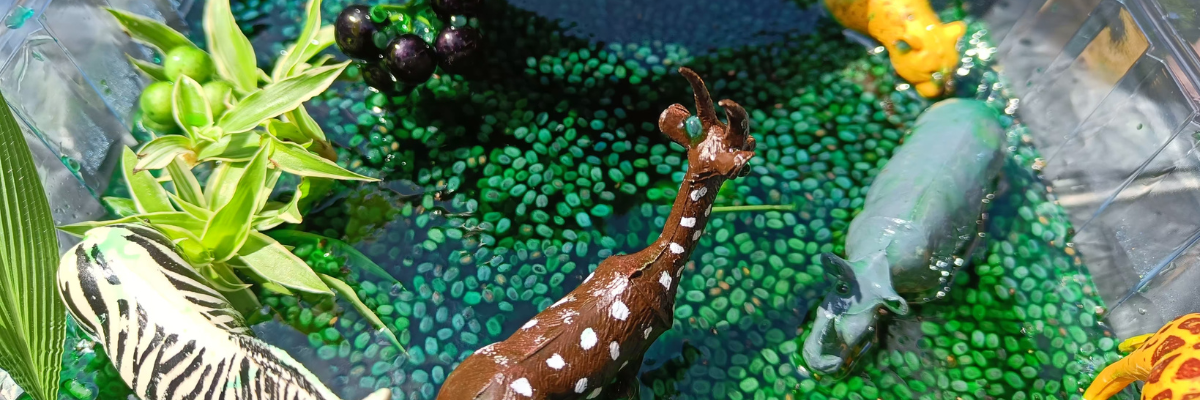
A sensory bin contains various mediums to provide sensory input via tactile, auditory, and visual stimuli. As an Occupational Therapy Assistant, I treat kiddos who are defensive to sensory input. This can affect feeding, tolerating clothing, tolerating self-care like hair brushing or tooth brushing, and the various textures or sensory inputs we encounter daily. A sensory bin can provide the necessary sensory input to improve attention to tasks, decrease tactile defensiveness, improve tolerance for self-care, improve emotional regulation skills, improve communication skills, and assist with the development of social skills. 

Choosing the Right Container: 

A plastic clear container is ideal because you can see what’s inside and is easy to clean when you are ready to switch out your mediums. You can also use baskets, trays, bowls, etc.

Filling Options: 

  • Base materials: Rice, sand, kinetic sand, dried beans, shredded paper. You can also use edible items such as crushed crackers/cookies, noodles, quinoa, etc, for kiddos who put things in their mouths regularly.
  • Textures: Soft fabric, smooth stones, fluffy cotton balls, feathers, ribbons, or squishy foam. 
  • Colors: Use colored rice or dyed pasta for visual stimulation. Themed Sensory Boxes: 
  • Themes like nature, ocean, outer space, Easter/Spring, or seasons can give great ideas when unsure what to put together. 
    • For example, an ocean theme could include crushed crackers for sand, blue jello for water, and sea animal toys. 
    • Another example is a nature theme, including various leaves, sticks, rocks/stones, animal or insect toys, dirt or crushed Oreos, and gummy worms!
    • Just one more example: Spring could include wildflowers (real or pretend), toy birds/chicks, chickpeas, cotton balls, feathers, etc. 

Incorporating Scents: 

  • Explore scented elements to enhance the sensory experience.
  • Consider items like scented playdough, essential oils, food items, or dried herbs. 

Incorporating Tastes: 

  • If you have a kiddo who is working on trialing new foods/food textures, you can make your sensory bin ALL FOOD items! This allows your child to work on expanding their food repertoire while decreasing the fear associated with trying new foods at mealtimes. 

Sensory Box Safety Tips: 

  • Consider age-appropriate items and avoid small parts that could be a choking hazard. 
  • Remember, when using food/wet items, to change them out regularly to prevent mold/mildew buildup. 
  • AVOID ORBEEZ, please! They are not safe and could cause damage to the internal organs if consumed! 

Have Your Child Assist: 

  • Having your child assist with making the sensory box can be a great way to build communication skills, improve the development of social skills, and decrease fear regarding textures. 
  • Oftentimes, children who are defensive to textures can become very upset or fearful when presented with a new medium. However, if the child can see where the medium comes from, it could decrease the fear significantly! This is also a good opportunity to have your child touch different textures! 

How can Carolina Therapy Connection help? 

  • Ask your child’s therapist about sensory bin ideas used here in the clinic.
  •  Pinterest has great ideas as well!

By: Shelby Godwin, COTA

The Best Chores for Kids by Age: Recommendations from a Pediatric Occupational Therapist

Chores can be essential to a child’s development, helping them build responsibility, independence, and various motor skills. Pediatric occupational therapists often recommend specific chores based on a child’s age to optimize their development and ensure appropriate and manageable tasks. Here’s a guide on the best chores for kids by age, highlighting how these activities can benefit their growth.

Ages 2-3: Building Basic Skills

Chores:

– Picking Up Toys: Encourages organization and fine motor skills.

– Wiping Spills: Helps with motor coordination and understanding cause and effect.

-Putting Clothes in Hamper: Teaches responsibility and hand-eye coordination.

Benefits:

– Motor Skills: These chores enhance fine and gross motor skills through simple movements.

– Cognitive Development: Understanding instructions and following through improves cognitive abilities.

– Responsibility: Starting with simple tasks helps instill a sense of duty and accomplishment.

Ages 4-5: Enhancing Coordination and Responsibility

Chores:

– Setting the Table: Develops sequencing skills and hand-eye coordination.

– Feeding Pets: Teaches empathy, responsibility, and routine.

– Watering Plants: Enhances motor skills and an understanding of plant care.

Benefits:

– Coordination: Tasks that involve multiple steps improve coordination and planning.

– Responsibility: Regular chores like feeding pets build a routine and sense of duty.

– Cognitive Skills: Following more complex instructions aids cognitive development.


Ages 6-7: Introducing Independence

Chores:

– Making the Bed: Encourages independence and fine motor skills.

– Sorting Laundry: Teaches categorization and organization.

– Clearing the Table: Develops responsibility and an understanding of teamwork.

Benefits:

– Independence: These chores promote self-reliance and the ability to complete tasks without assistance.

– Organizational Skills: Sorting laundry and clearing the table enhance organizational abilities.

– Motor Skills: Making the bed involves coordination and fine motor skills.


Ages 8-10: Building Competence and Confidence

Chores:

– Vacuuming: Enhances gross motor skills and a sense of thoroughness.

– Taking Out the Trash: Teaches responsibility and the importance of cleanliness.

– Folding Laundry: Develops fine motor skills and attention to detail.

Benefits:

-Competence: Successfully completing more complex chores builds competence and confidence.

– Responsibility: Regular tasks like taking out the trash teach the importance of contributing to household upkeep.

– Motor Skills: Folding laundry and vacuuming involve both fine and gross motor skills.


Ages 11-13: Encouraging Independence and Time Management

Chores:

– Cooking Simple Meals: Teaches life skills, safety, and time management.

– Mowing the Lawn: Enhances gross motor skills and responsibility.

– Cleaning Bathrooms: Develops an understanding of hygiene and thoroughness.

Benefits:

– Life Skills: Cooking and other complex chores prepare kids for future independence.

– Time Management: Balancing chores with other activities helps develop time management skills.

– Responsibility: Taking on significant chores like cleaning bathrooms fosters a deeper sense of responsibility.


Ages 14-17: Preparing for Adulthood

Chores:

– Managing Finances: Teaches budgeting, saving, and financial responsibility.

– Grocery Shopping: Develops planning skills and an understanding of nutrition.

-Maintaining Vehicles: Teaches practical skills and the importance of upkeep.

Benefits:

– Adulting Skills: These chores prepare teens for adult responsibilities and independence.

– Financial Literacy: Managing finances instills essential budgeting and saving habits.

– Practical Skills: Tasks like vehicle maintenance provide practical knowledge useful in adulthood.


How can Carolina Therapy Connection help?

Incorporating age-appropriate chores into your child’s routine can significantly aid their development. Pediatric occupational therapists emphasize the importance of tailoring tasks to a child’s age and capabilities to foster motor skills, cognitive development, and a sense of responsibility. As children grow, their chores should evolve to challenge them appropriately and prepare them for future independence. Encouraging kids to participate in household chores not only helps them develop crucial life skills but also fosters a sense of accomplishment and confidence.


Exciting News! Carolina Therapy Connection Brings Pediatric Therapy and Mental Health Services to Morehead City

Exciting News: Carolina Therapy Connection Opens New Clinic in Morehead City!

We are thrilled to announce that Carolina Therapy Connection has opened a new clinic in the heart of Carteret County! Located at 4251 Arendell St., Suite E, in Morehead City, this brand-new facility offers a variety of services to meet the needs of both children and adults.

Services We Provide in Morehead City:

At our Morehead City location, we are proud to offer the following services:

We are excited to bring our high-quality therapy services to the Carteret County community and are committed to providing compassionate care for children, adolescents, and adults.

Now Offering Extended Hours for Mental Wellness in Morehead City

We understand how busy life can be, which is why we are now offering extended hours and Saturday appointments for those who need more flexibility. Whether you’re looking for afterschool therapy sessions for your child or evening counseling for yourself, we have immediate openings available to fit your schedule.

Morehead City Clinic Features:

Our Morehead City clinic is equipped with state-of-the-art therapy spaces, including:


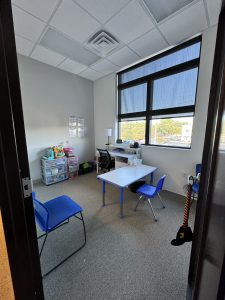
  • Private treatment rooms for occupational, physical, and speech therapy.


  • A fully equipped kitchen area for feeding therapy sessions to help children with eating challenges.

  • Private counseling rooms for mental health sessions, ensuring a comfortable and confidential environment for all ages.


Get Started with Carolina Therapy Connection Today!

We are thrilled to be part of the Carteret County community and to offer a welcoming space where families can feel supported on their therapeutic journey. If you’re looking for therapy services in the Morehead City area, we’re here to help!

To schedule an appointment or learn more about our services, contact us today. We’re excited to be part of your community and look forward to serving you!

Handwriting Ideas to Take Homework from Boring to FUN! 

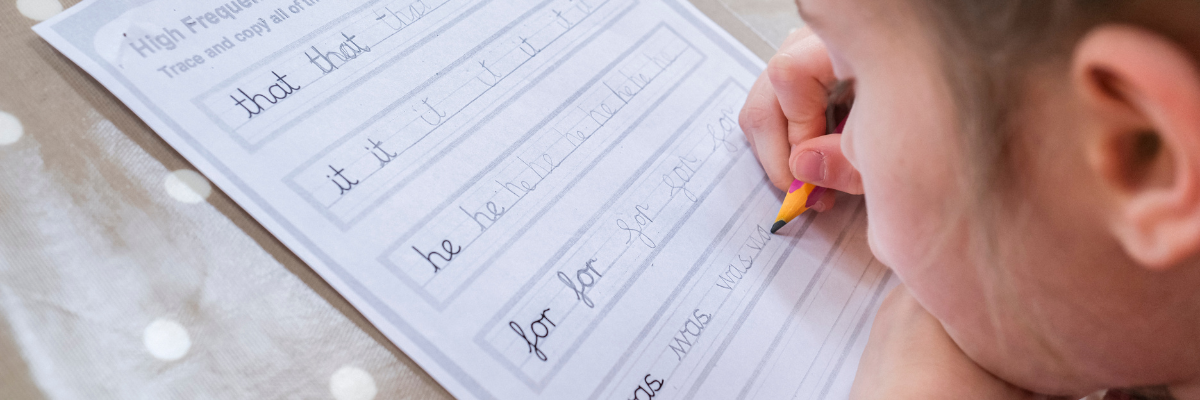
Teaching kids handwriting is an essential skill that sets them up for success in school and beyond.

Here are some tips to make handwriting practice fun and effective for children: 

Start with the Basics:

  • Begin by teaching them how to hold a pencil properly. Make sure they grip it comfortably but firmly. 
  • Use Large Lines: Provide paper with large lines to help them understand the proportions of letters. You can find special handwritten papers with guidelines specifically for this purpose. 
  • Practice Letter Formation: Start with uppercase letters and then move on to lowercase. Demonstrate how each letter is formed and encourage them to mimic your movements. 
  • Repetition: Handwriting improves with practice. Encourage kids to practice writing letters and words regularly. You can make it more engaging by turning it into a game or challenge. 
  • Use Multisensory Approaches: Incorporate different senses into handwriting practice. For example, tracing letters in sand or shaving cream can provide tactile feedback that reinforces learning. 
  • Provide Positive Feedback: Praise their efforts and progress. Positive reinforcement can boost their confidence and motivation to continue practicing. 
  • Set Realistic Goals: Set achievable goals for improvement and celebrate their milestones along the way. 
  • Be Patient: Remember that learning handwriting takes time and patience. Encourage persistence and provide support when they feel frustrated. 

Making handwriting practice fun for kids can encourage them to engage with the activity more eagerly when writing isn’t so easy. Here are some creative and fun ideas to make handwriting more fun: 

  • Write with Different Materials: Encourage kids to write on a chalkboard with different materials, such as colored pencils, gel pens, markers, or chalk. 
  • Rainbow Writing: Have kids trace over letters or words multiple times using different colored pencils or markers.
  • Letter Hunt: Create a scavenger hunt where kids search for letters in books, magazines, or around the house. Once they find a letter, they can write it down! 
  • Write a Story: Encourage kids to write a short story or a letter to a friend or family member. 
  • Write on Unconventional Surfaces: Let kids write on unconventional surfaces such as a large whiteboard, a window with washable markers, or even with their fingers in sand or shaving cream. 
  • Handwriting Games: Incorporate games into handwriting practice, such as Hangman, Tic-Tac-Toe, or Bingo, using words or letters. 
  • Decorate Letters: After writing a letter or word, encourage kids to decorate it with doodles, stickers, or drawings related to the word. 
  • Write Secret Messages: Have kids write secret messages to each other using a white crayon on white paper. When they’re done writing, they can reveal the messages by painting over it with watercolors. 
  • Create Handwriting Challenges: Set up fun handwriting challenges such as writing the alphabet backward, writing with their non-dominant hand, or writing as neatly and as quickly as possible. 

How can Carolina Therapy Connection help with kids’ handwriting skills?

If your kiddo is having difficulty with handwriting, an Occupational Therapist at CTC can help! Whether it be because your kiddo doesn’t attend well due to finding handwriting boring, finds difficulty with the visual perceptual and visual motor skills necessary to orient and place the words on the line, or because of decreased strength making it hard to apply the right amount of pressure, an Occupational Therapist can determine strategies to make it easier for your child to enjoy handwriting! 

By: Shelby Godwin, COTA/L, AC


Helping Kids Move Better with Serial Bracing

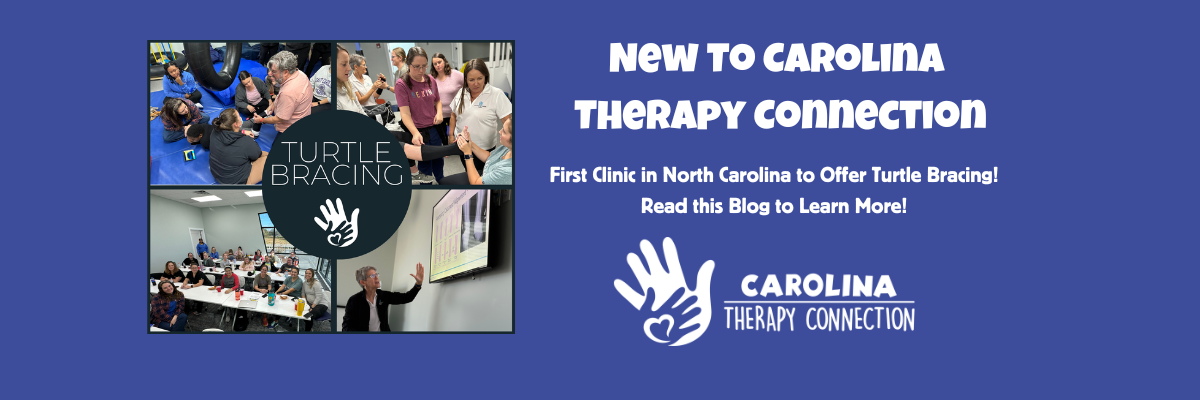
Carolina Therapy Connection Now Offering Serial Bracing!

Sometimes, kids need a little extra help moving around. That’s where braces come in. Braces are special devices that can support different parts of the body, like hands, ankles, and more. They’re used to help kids get stronger and move better. For children facing mobility challenges due to conditions like cerebral palsy, muscular dystrophy, or injuries, the ability to walk and use their hands freely can significantly impact their daily lives. Serial bracing emerges as a crucial intervention in pediatric therapy, offering targeted support to help children walk better and enhance their hand function.


Understanding Serial Bracing for Kids

Serial bracing involves the use of specialized orthotic devices/braces designed to provide support and alignment to specific body parts over time. These braces are tailored to meet the individual needs of each child, addressing issues related to walking and hand function. By wearing these braces consistently and undergoing therapy interventions, children can experience improvements in their mobility and functional abilities.


Does Your Child Experience…

  • Tight heel cords (toe-walking)?
  • Tightness in the hand, wrist, elbow, or knees?
  • Tight Muscles even after using orthotic braces?

Bracing can help support the hands, wrists, legs, ankles and feet!


Supporting Walking with Bracing

For children with conditions affecting their ability to walk, due to increased/decreased tone/range of motion, poor alignment, weakness, or structural abnormalities, serial bracing plays a vital role in promoting stability and proper alignment of the lower limbs. Many people have heard of braces like ankle-foot orthoses (AFOs) help support the ankle joint, correct foot alignment, and improve walking patterns. Over time, consistent use of braces combined with physical therapy can lead to improved ankle alignment and range of motion resulting in enhanced balance, coordination, and overall mobility.  Even kids who toe walk can improve their walking patterns and decrease their toe walking through the use of leg braces.


Enhancing Hand Function through Bracing

Hand function is essential for children to perform daily activities independently, from writing and drawing to feeding themselves. Serial bracing offers support and alignment for children with conditions impacting hand function, such as cerebral palsy or brachial plexus injuries. Orthotic devices like hand splints or wrist-hand orthoses (WHOs) provide stability while allowing for functional movement. With regular use of these braces and targeted occupational therapy, children can develop better hand control, grip strength, and fine motor skills.


The Difference Between Serial Bracing vs. Serial Casting

Serial Bracing is similar to serial casting but is removable and easily custom-molded for the child in the clinic setting. 

Benefits of Serial Bracing:

  • Non-invasive
  • Typically improves range of motion in 4-6 weeks
  • Can be removed by caregivers for skin check, stretching, strengthening, bathing
  • Can easily be remolded in 15-30 minutes per limb at home/clinic without special equipment 
  • Can be worn for all typical daily/nightly routines, including walking, running, sleeping, swimming, or bathing


The Turtle Bracing Difference

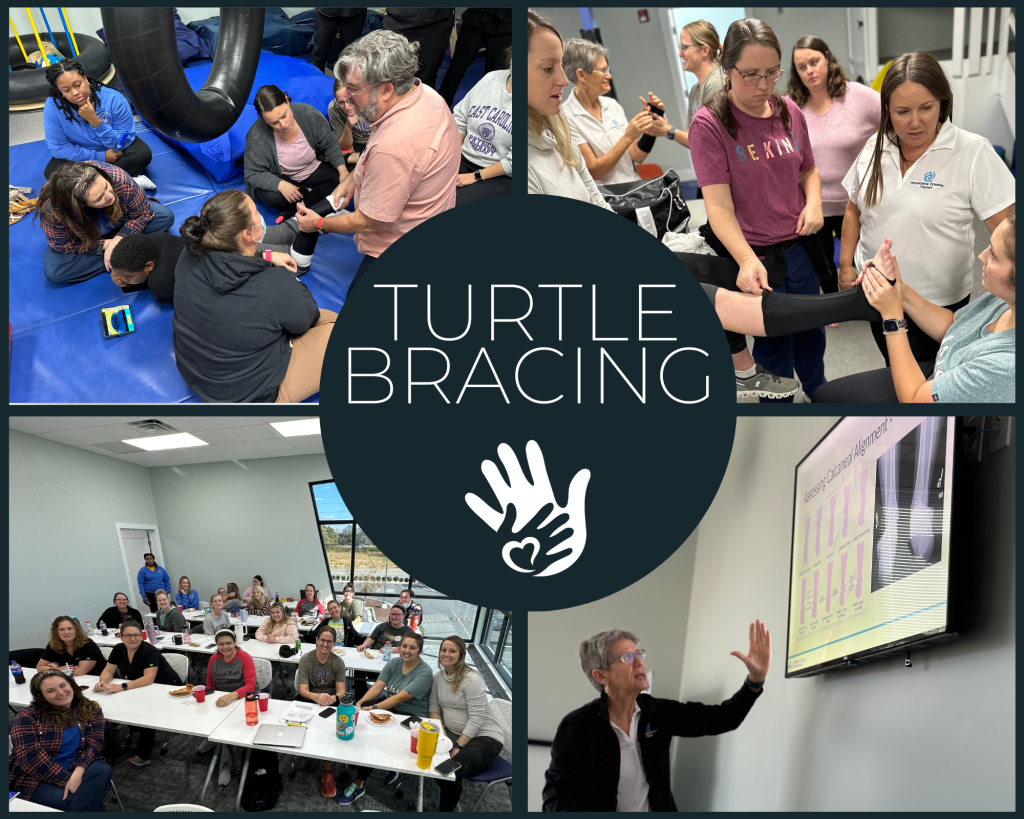
The turtle brace is a form of casting or splinting. It provides an amazing alternative option as opposed to traditional plaster casting. Braces are available to fit all shapes and sizes, from newborn babies to adults. They offer braces for the wrist and fingers, elbow, and ankle.

The turtle brace is a moldable brace that is heated up and then applied to the treated area, which is fastened with a zipper. Once it is positioned, it begins to harden as the brace cools. Once the brace hardens, it is good to go!  

The nature of the fabric allows it to be reshaped many times without losing its qualities, which is beneficial to making adjustments for children growing, serial casting adjustments, and other requirements. You can get the turtle brace wet – wear the turtle brace in the shower, bath, or the beach, and it will dry!


What makes Turtle Braces so amazing?

  • It is lightweight and comfortable.
  • It is waterproof.
  • It provides an easy zipper to assist with the removal.
  • It can be removed if there is a problem, for example, a pressure area, or a child is struggling and needs a break. The brace can be removed without compromising the cast or the treated joint.
  • It is re-moldable with the application of heat and can transform back to its original shape!


More from the Turtle Brace manufacturer

*Turtle Brace Website 


Customized Care for Optimal Results: I’m Interested in Turtle Bracing, How Do I Get Started?

Each child’s journey with serial bracing is unique, requiring personalized care and attention. Turtle Braces are custom-made to fit the child’s body comfortably and effectively. Moreover, therapy interventions are tailored to address specific goals and challenges, ensuring comprehensive support for walking and hand function. 

  1. If you are a NEW patient of ours and are interested in Turtle Bracing, contact us and mention you would like Turtle Bracing. Our referral coordinator will meet you with one of our certified and trained therapists for an evaluation.  She will also walk you through the insurance process to determine coverage for braces.
  2. If you are a CURRENT patient of ours and are interested in Turtle Bracing, talk with your current therapist about this option! Our referral coordinator will be in touch to walk you through the insurance process to determine coverage for braces.


Empowering Children for Success

The benefits of serial bracing extend beyond physical improvements; they empower children to participate more fully in daily activities and social interactions! By gaining greater independence in walking and hand function, children can experience increased confidence and self-esteem. Moreover, improved mobility opens up new opportunities for exploration, learning, and participation in recreational activities.

Through a combination of customized bracing and therapy interventions at Carolina Therapy Connection, children can overcome mobility challenges and achieve greater independence in their daily lives!


Written By: Cindy Taylor


Celebrating Excellence: Our Pediatric Therapy Company Named Best Employers of NC for 2023 and 2024!

We are thrilled to announce that our pediatric therapy company has been recognized as one of the Best Employers of North Carolina for 2023 and 2024 by Business North Carolina! This incredible achievement is a testament to the dedication, passion, and hard work of our entire team, and it highlights our commitment to providing exceptional care and services to the children and families in our community.


A Commitment to Excellence in Pediatric Therapy

Over the past 14 years, our organization has specialized in a comprehensive range of pediatric therapy services, including occupational therapy, speech therapy, physical therapy, mental wellness and counseling, and educational services. We have recently expanded to include services for adults in the past year and a half.  Our multidisciplinary approach ensures that each child receives individualized care tailored to their unique needs, fostering their development and helping them reach their full potential.


  • Occupational Therapy: Our skilled occupational therapists help children develop the skills they need for daily living and academic success, focusing on fine motor skills, sensory processing, and more.


  • Speech Therapy: Our speech-language pathologists work with children to improve their communication skills, addressing challenges related to speech, language, and social communication.


  • Physical Therapy: Our physical therapists are dedicated to enhancing children’s mobility, strength, development, and coordination, enabling them to participate fully in everyday activities.


  • Mental Wellness and Counseling: We provide a supportive environment for children and adults to explore their emotions, develop coping strategies, and improve their mental health and well-being.


  • Educational Services: Our educational specialists offer academic testing and tutoring support for children with learning differences, helping them thrive academically.


Serving Eastern North Carolina with Dedication and Care

With multiple locations around Eastern North Carolina, our clinic is committed to making our services accessible to families throughout the region. We also have several virtual speech-language pathologists who can serve children across all of North Carolina. We understand the importance of providing high-quality care close to home, and our convenient locations ensure that children and families can receive the support they need without extensive travel.


Recognized as a Top Employer

Being named one of the Best Employers of North Carolina for two consecutive years is an honor that reflects our dedication to creating a positive and supportive work environment for our staff. We believe that happy, fulfilled employees are the foundation of excellent patient care. Our team members are passionate about their work and committed to making a difference in the lives of the children and families we serve.


The survey conducted by DataJoe for Business North Carolina covered essential workplace topics, including organizational health, leadership, engagement, work-life balance, pay, training, benefits, and corporate social responsibility.


Looking to the Future

As we celebrate this achievement, we remain focused on our mission to provide the highest quality pediatric therapy services in Eastern North Carolina. We are continually exploring new ways to enhance our programs, support our staff, and expand our reach to better serve our community.

Thank you to our incredible team, our wonderful patients and families, and everyone who has supported us on this journey. We look forward to continuing to provide exceptional care and to being a part of your child’s growth and development for many years to come!

Visit our website or contact us today to learn more about our services and how we can support you and your child’s needs. Together, we can help every child reach their full potential!


https://businessnc.com/topping-the-list-of-north-carolinas-best-employers-2024/


Zones of Regulation

What are the Zones of Regulation?

The Zones of Regulation is a curriculum that your child’s therapist may use to help your child develop self-regulation skills. Self-regulation is “the ability to achieve the preferred state of alertness for the given situation.” Other terms often interchanged for self-regulation include self-control, impulse control, and self-management. The curriculum focuses on lessons and activities to help the child identify their different “Zones” and strategies to increase self-regulation. Additionally, your child will be able to increase their understanding of emotions and coping skills. 

The Zones: Self-Regulation

“The Zones of Regulation creates a system to categorize how the body feels and emotions into four colored Zones with which the students can easily identify.” 

There are four zones within the Zones of Regulation

  • Blue Zone
  • Green Zone
  • Yellow Zone
  • Red Zone

The Blue Zone is a state of low alertness. Feelings can include sad, tired, sick, or bored. 


The Green Zone is a state of ideal alertness. This includes feeling calm, happy, or focused.


The Yellow Zone is a state of heightened alertness. Feelings can include frustration, worry, excitement, silliness, or fear. 


The Red Zone is a state of extremely heightened alertness. This includes anger, rage, extreme fear, and explosive behavior. 


How are the Zones used?

Your child’s therapist will work with them to identify which Zone they are in and strategies to help them self-regulate within each Zone. They will work together to develop a “toolbox” with strategies and techniques for obtaining optimal alertness in everyday situations. It is important to understand that no zone is “bad,” and all are expected from time to time. Instead, the intention is to help your child identify tools and coping strategies to self-regulate within each Zone. 


What can Carolina Therapy Connection help?

For the Zones of Regulation to work as intended, home carryover is super important. Strategies include using the same language and talking about the Zones within the home and community environments. Applying strategies to yourself can also increase carryover. For example, you may say, “This is super frustrating, and I am starting to go into the Yellow Zone. Maybe I will take some deep breaths.” Additionally, validate the zone that the child is in and help them implement the strategies and tools to self-regulate. Your child’s therapist can share the language and strategies used with the Zones of Regulation to increase carryover at home. 


By: Carolina Zissette, OT